
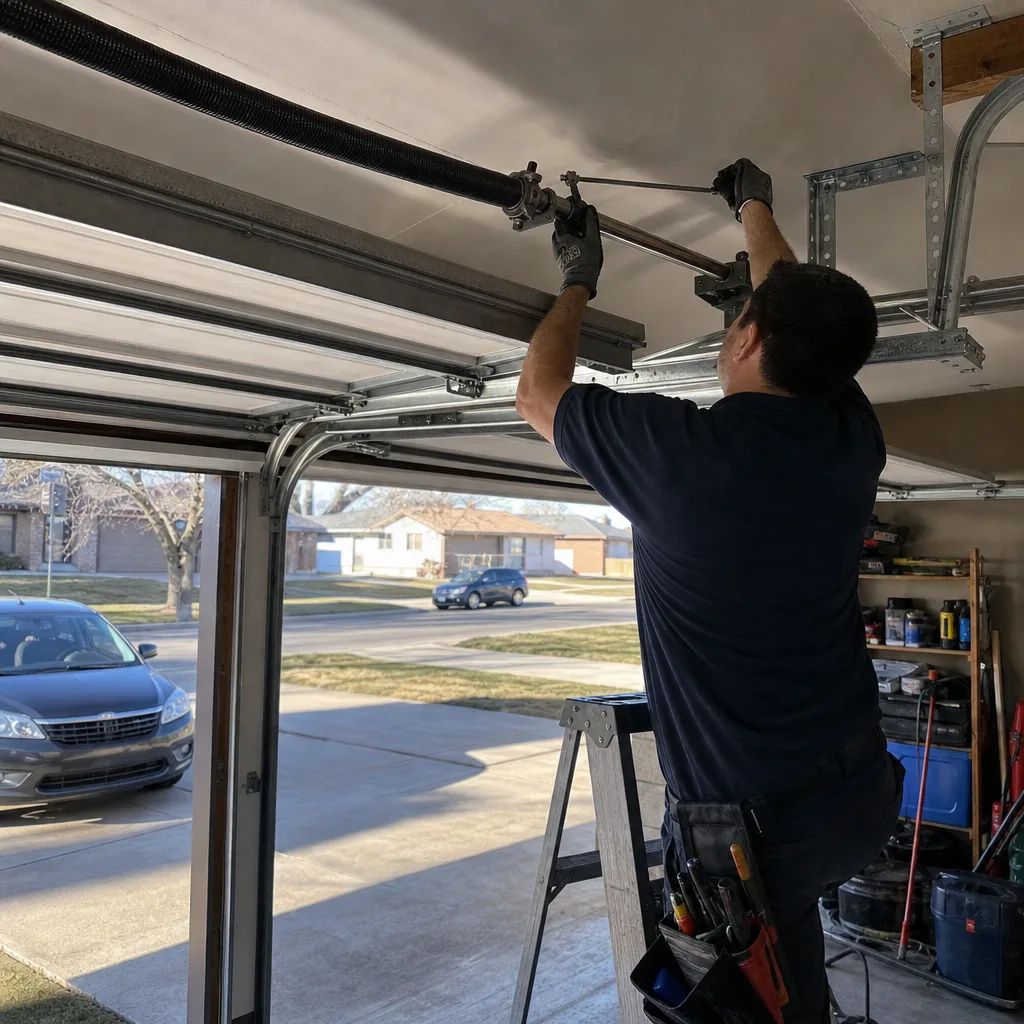
Last updated November 21, 2026
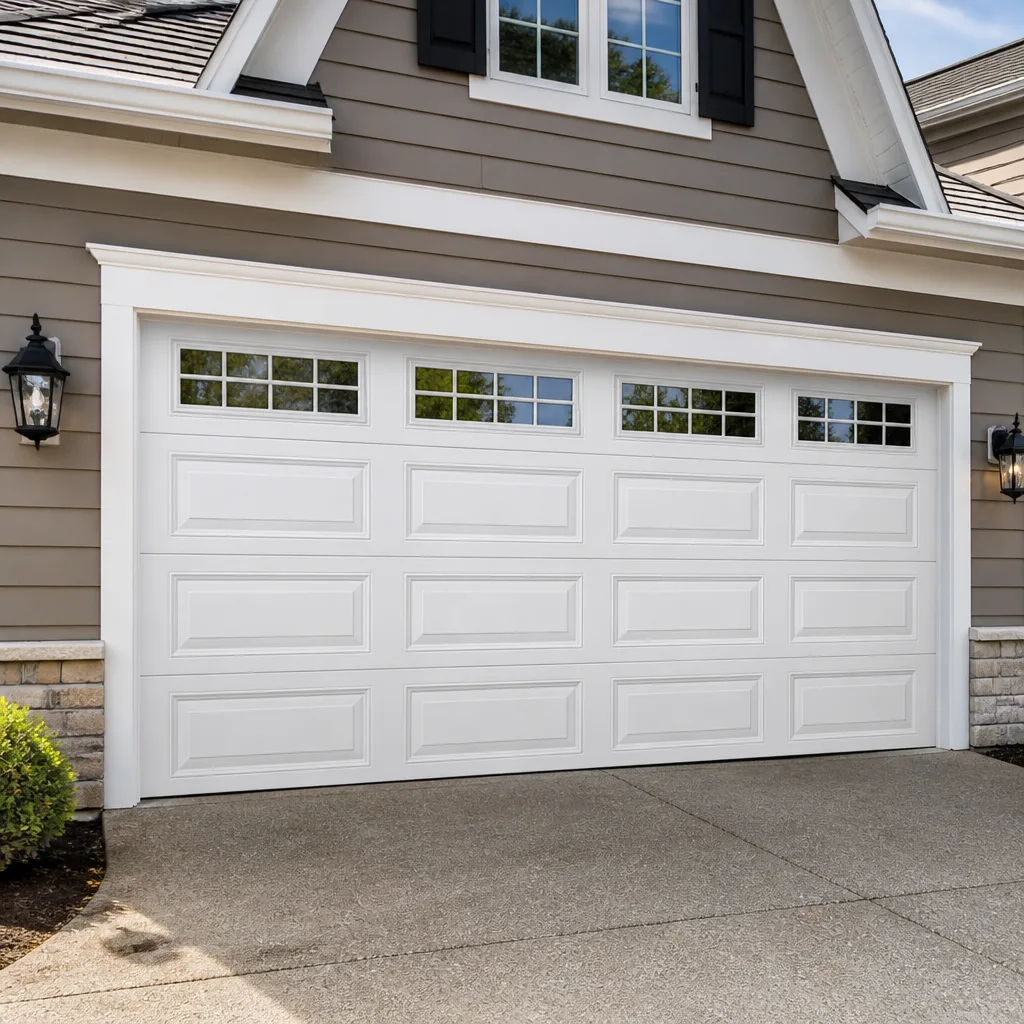 Raised-panel steel
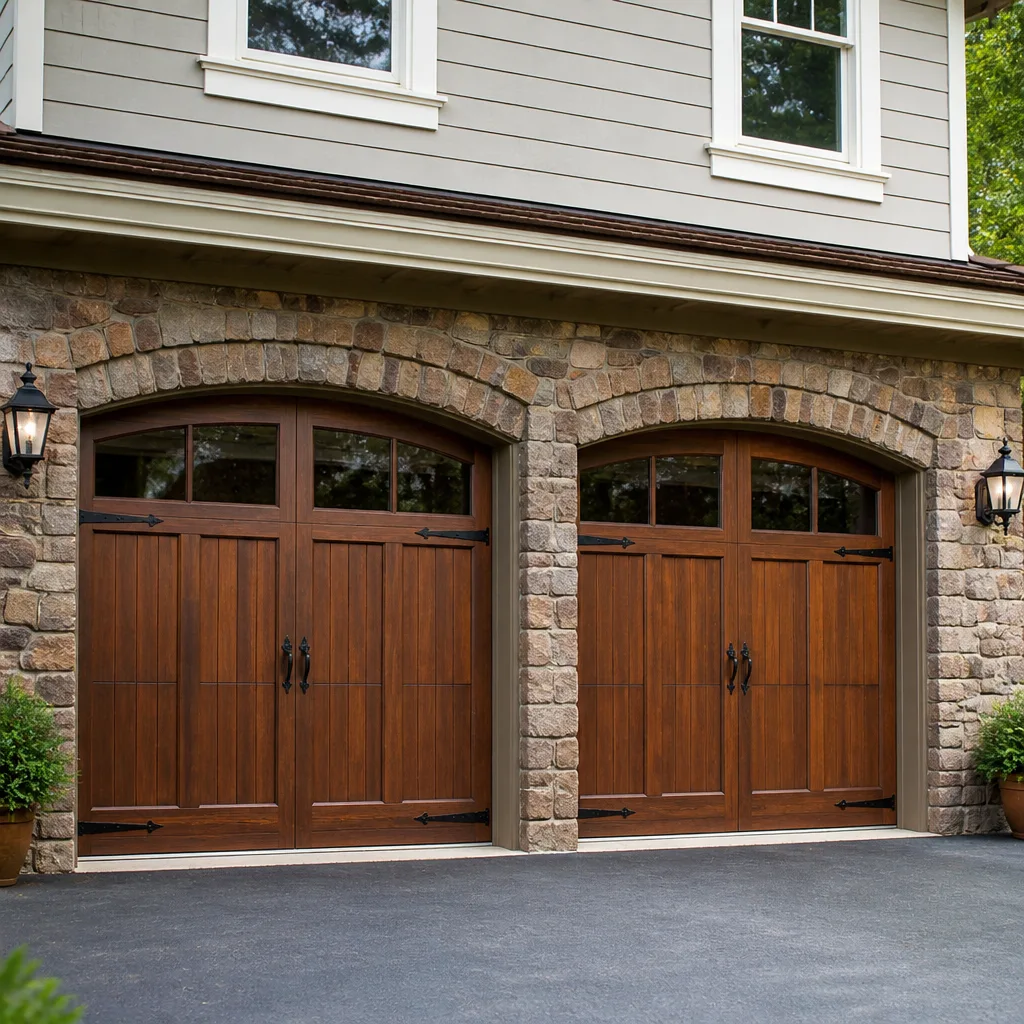 Carriage house
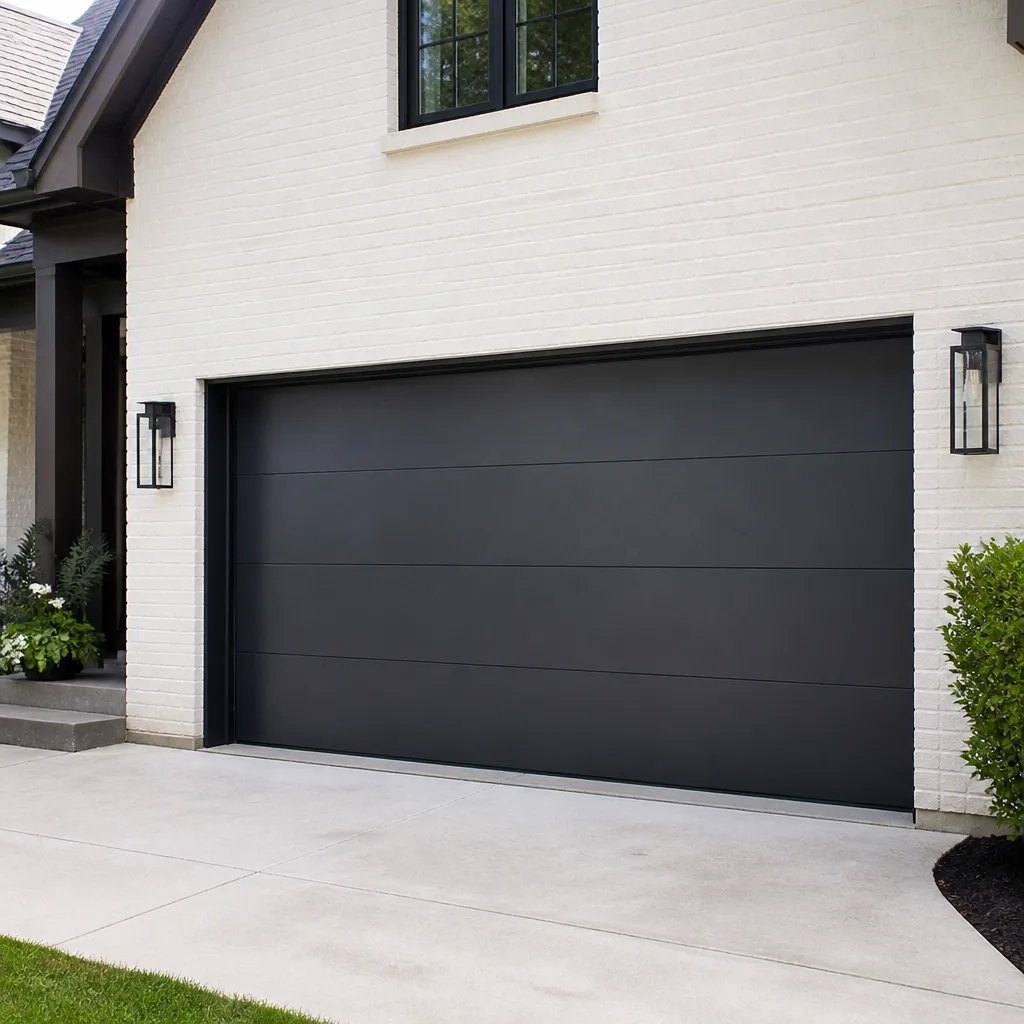 Modern flush
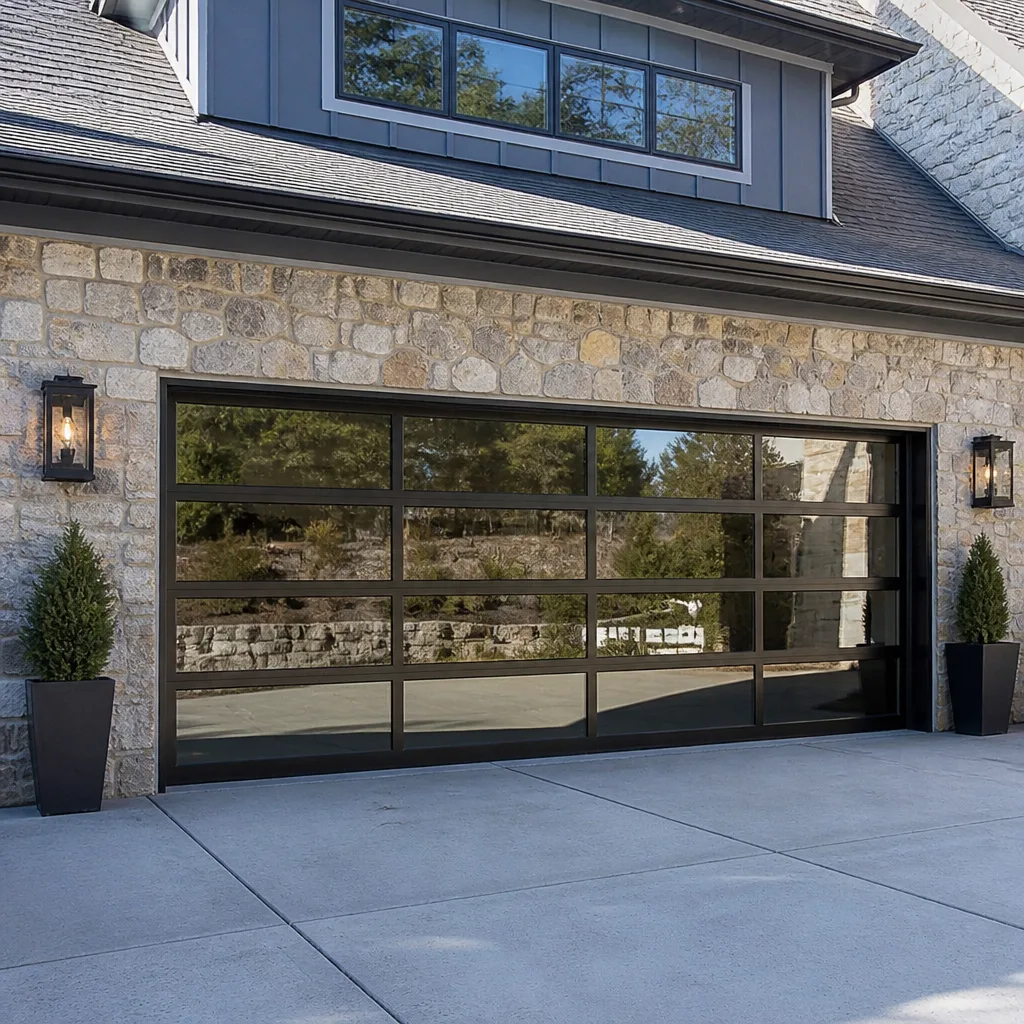 Full-view glass
 LiftMaster openers
 Chamberlain openers
Full 25-point door and opener safety check with every visit - springs, cables, rollers, tracks, and your LiftMaster or Chamberlain opener included
You get a price before we start. It does not change when the pro arrives.
Get your free estimateGarage Door Repair Maintenance Schedule: What to Do and When
The standard advice says lubricate your garage door twice a year. That’s true, but it hides the real problem: lubricating the wrong parts with the wrong product does more damage than skipping it entirely. Spray WD-40 on a torsion spring and you’ve stripped the film that keeps coils from grinding. Grease a nylon roller and you’ve turned it into a magnet for grit. Most homeowners who follow the generic advice have already made one of these mistakes.
This guide replaces the vague “seasonal checklist” with a task calendar built around how a garage door actually ages, plus the specific products each component needs and realistic time estimates. You’ll finish with a schedule you can run in under two hours a year, here in Garfield Ridge or anywhere else.
Quick Answer
A garage door needs four real maintenance touchpoints a year: a visual and safety inspection in spring, lubrication in late spring and again in fall, a balance and hardware check in fall, and a weatherstripping check before winter. The total annual time commitment is under two hours. Springs, cables, and torsion hardware are inspection-only items for a homeowner. Any adjustment or replacement there belongs to a trained technician.
Styles & brands we work with
- Raised-panel steel
- Carriage house
- Modern flush
- Full-view glass
- LiftMaster openers
- Chamberlain openers
Table of Contents
- Why a Real Schedule Beats a Seasonal Checklist
- The Month-by-Month Task Calendar
- The Right Lubricant for Every Component
- How to Run a Balance Test
- The Weatherstripping Inspection You’re Probably Skipping
- How Long Each Task Really Takes
- What Garfield Ridge Weather Does to Your Door
- Common Mistakes to Avoid
Why a Real Schedule Beats a Seasonal Checklist
“Check your door every season” is advice that sounds thorough and tells you nothing. A panel door doesn’t wear evenly across four seasons. Its rollers, springs, and seals age at different rates, and each one responds to a different kind of stress. A generic checklist ignores that.
A schedule tied to actual wear patterns does three things a seasonal list can’t:
- It spaces lubrication by component. Steel rollers can go longer between treatments than hinges, which sit at pivot points that collect grit. Treating them the same either over-lubricates one or starves the other.
- It puts inspection before the season that stresses the part. You check weatherstripping before the cold, not after, because a failed seal is cheap to replace in October and expensive to live with in January.
- It treats springs and cables as watch items. You can’t lubricate a worn spring back to health, but you can catch the signs of wear through a balance test before a coil fails.
In Garfield Ridge, the calendar also has to account for a specific local reality: a stretch of hard freeze followed by a thaw, repeated all winter, works seals and hardware harder than steady cold does. That pattern is why our spring inspection lands where it does (more on that in the seasonal section below).
If you want a garage door maintenance schedule that survives contact with a real winter, build it around the parts, not the calendar page.
The Month-by-Month Task Calendar
Here’s the schedule we’d give a homeowner in Garfield Ridge who wants to keep a door running quietly and catch wear early. Spread the four main sessions across the year. Don’t stack them all into one Saturday.
- Early spring (March or April): Full visual and safety inspection. Walk the full perimeter of the door. Look at panel condition, hinge screws, roller wear, cable condition, and the spring assembly. Test the safety reverse. This lands in spring because winter is when the most stress accumulates: freeze-thaw cycles, grit thrown by tires, and months of the door cycling in cold grease.
- Late spring (May): Lubrication session one. Hinges, rollers, tracks, and the torsion shaft bearings. Not the springs. This timing puts fresh lubricant on before summer heat thins whatever’s left from last year.
- Early fall (September): Balance test and hardware check. Run the manual release test, check that hinges and brackets are tight, and listen for new noises. This gives you time to schedule a repair before winter rather than during it.
- Late fall (October or November): Weatherstripping inspection and lubrication session two. Check the bottom seal, the perimeter seal, and the threshold. Lubricate again. This is the session that pays for itself: a sealed door holds heat better, and resealing before the cold is far easier than replacing a cracked, frozen seal in January.
Between sessions, keep it light. A monthly listen-and-look takes two minutes and catches most developing problems early. If you hear a new grinding or the door starts to feel heavier to lift by hand, that’s your cue.
One note on brand differences: hardware from Amarr, Wayne Dalton, Craftsman, and Raynor uses different roller and hinge profiles, so the inspection points stay the same but the parts you check are specific to what’s on your door. We work on the brand you already have, which means a maintenance visit is a match to your actual system, not a generic tune-up.
The Right Lubricant for Every Component
WD-40 is the wrong answer for every part of a garage door. It’s a solvent, not a lubricant, and on springs it strips the protective film that keeps coils from grinding against each other. Use it on a torsion spring and you’ve accelerated the wear you were trying to prevent.
Different components need different products. Here’s what goes where:
- Springs: A garage door spring shouldn’t be lubricated by a homeowner at all. It’s under extreme tension and lives inside a torsion assembly or above the door in extension form. If you’re unsure what kind of spring system you have, that’s a question for a technician, not a spray can. Leave it alone and let an inspection catch wear.
- Hinges: A light lithium grease or a white lithium spray. Hinges are moving pivot points that collect grit, so they need something that stays put and won’t drip.
- Steel rollers: A few drops of a light machine oil on the bearing, not the wheel surface. Oil on the wheel itself collects dust and turns into a grinding paste.
- Nylon rollers: No lubricant. They’re designed to run dry. Grease attracts grit and shortens their life.
- Tracks: No oil and no grease. Clean them with a damp cloth and leave them dry. Grease on a track grabs everything the door rolls through.
- Torsion shaft and bearings: A light machine oil, applied sparingly. These are the only shaft parts a homeowner should touch, and only where they’re reachable without tools.
The rule of thumb: if a part moves and collects grit, it needs a thin, non-tacky lubricant. If a part is under tension, it needs a trained eye, not a product.
How to Run a Balance Test
A balance test tells you whether your springs are still carrying their share of the door’s weight. It’s the single best early warning you have for spring wear, and it takes about a minute. What you’re feeling for: a properly balanced door should feel nearly weightless.
- Close the door fully. Pull the manual release cord to disconnect the opener. If you have a wall-mounted or jackshaft opener, that cord works the same way.
- Lift the door by hand to about waist height. It should feel light, maybe ten to fifteen pounds of resistance. Then let go.
- A balanced door holds position where you left it. If it drops on its own, the springs are under-tensioned. If it rises, they’re over-tensioned.
- Lower the door back to the closed position and reconnect the opener. Never leave the manual release disengaged and run the opener, because that can send the door up or down unexpectedly.
What an out-of-balance door feels like: heavier than it should be on the way up, or it slams or drifts when you release it. If the door feels like it’s pulling against you, or if the reverse test at the safety beam fails, that’s your cue to stop testing and call.
One important safety note: the balance test is a homeowner check, not a repair procedure. Never adjust a torsion spring yourself. A wound torsion spring stores enough energy to cause serious injury, and adjusting one with hand tools is the single most dangerous thing a homeowner can do to a garage door. If the balance test fails, that’s a technician’s job. In our experience, an out-of-balance door is usually caught in time to avoid a snapped spring, and catching it early is why we put this check on the fall calendar.
The Weatherstripping Inspection You’re Probably Skipping
Weatherstripping is the one maintenance item most homeowners notice only when the heating bill arrives. The bottom seal, the perimeter seal, and the threshold all wear quietly, and a failed seal lets cold air, moisture, and pests into the garage.
Here’s the inspection that catches it. Run your hand along the entire bottom of the door while it’s closed. You’re feeling for gaps, cracks, or sections that have torn away from the retainer. Check both corners where the seal meets the frame. Then look at the perimeter seal on the sides and top, where it can split along its hinge fold. A seal that’s cracked, compressed flat, or peeling needs replacing, and that’s something you can spot with a flashlight and two minutes.
In Garfield Ridge, this check belongs in fall because our freeze-thaw cycle is what kills seals. Water works into a hairline crack during a thaw, freezes overnight, and widens it. A seal that survived last winter may not survive this one, and replacing it before the cold is a small job. Replacing it after a January freeze can mean the door is stuck open or shut until the weather breaks.
Weatherstripping replacement is a homeowner-friendly job on most doors. It’s a peel-and-fit task on the bottom seal, and it runs on most Amarr, Wayne Dalton, and Raynor doors. If the retainer itself is cracked or the threshold has rotted, that’s when a trained technician takes over. If the gaps are still there after you reseal, the door may be out of square, and a sample of that is what we see in older homes around Garfield Ridge.
If the door needs actual repair beyond a seal, our service page on garage door repair covers what we handle and how estimates work.
How Long Each Task Really Takes
The full annual maintenance commitment is under two hours, and knowing the real time per task takes the dread out of starting. Here’s a realistic breakdown:
- Spring visual and safety inspection: 15 to 20 minutes. Longer the first time, when you’re learning where to look.
- Lubrication session: 10 to 15 minutes per session. Two sessions a year, so about half an hour total.
- Balance test and hardware check: 10 minutes. The test itself is one minute; the rest is tightening hinges and brackets.
- Weatherstripping inspection: 5 minutes, plus 20 to 30 minutes if you replace the bottom seal.
- Monthly two-minute listen-and-look: 2 minutes, 24 minutes a year.
Add it up: a full year of maintenance lands around an hour and forty minutes, with a bit of buffer for the year you replace a seal. That’s less time than most people spend deciding whether to start.
If a task turns up something you’re not comfortable with, that’s not a failure of the schedule. It means the schedule did its job and caught a problem. We’ve seen doors in Garfield Ridge that skipped maintenance for years and ran fine, and we’ve seen doors that failed within months of a balance test. The difference is almost always whether the owner was paying attention to wear, not whether they used a particular product.
What Garfield Ridge Weather Does to Your Door
Garfield Ridge sits in a climate with genuine freeze-thaw cycling. That matters more than the average cold, because the repeated cycle is what stresses door hardware and seals. A garage door doesn’t age evenly through an Illinois winter, and our maintenance calendar is built around that cycle.
The specific stress points here:
- Seals take the freeze-thaw hit. Water in a crack expands overnight and widens it, which is why weatherstripping belongs in fall.
- Tracks and rollers collect grit from winter road spray. That’s why lubrication session two lands before the cold, not after.
- Springs see the most cycling in winter, when the door runs more and the grease in bearings sits cold. The balance test in fall is the best moment to catch wear before the stretch that will test it hardest.
- Condensation on steel panels is common during temperature swings. Check panel edges for rust starting, especially on older doors.
None of this means a door needs a paid maintenance contract to survive a Garfield Ridge winter. It means the task dates matter, and the tasks that pay off most are inspection and sealing.
If a repair gets beyond a seal or a hinge, our guide to the full service is at Garage Door Repair Garfield Ridge. For garage doors that need replacement or a new installation rather than repair, the process is different from maintenance, and it’s covered on our garage door installation page. And if the door opens and closes but the motor behaves oddly, that’s a separate diagnostic path covered under garage door opener repair.
Common Mistakes to Avoid
- Spraying WD-40 on the springs. It’s a solvent, not a lubricant, and it strips the protective film springs rely on. Springs shouldn’t be lubricated by a homeowner at all.
- Greasing the tracks. Track grease collects grit and turns into a grinding paste. Tracks should be clean and dry.
- Lubricating nylon rollers. They’re designed to run dry. Grease shortens their life instead of extending it.
- Adjusting a torsion spring yourself. A wound spring stores serious energy. If the balance test fails, or the door feels heavy, that’s a technician’s job, full stop.
- Ignoring the reverse test. The safety reverse is a life-safety feature. Test it in spring, and if it fails, treat it as urgent, not a to-do-item.
- Skipping the fall weatherstripping check. A cracked seal in September is a five-minute fix. A frozen seal in January can leave the door stuck open or shut for days.
- Stacking all the maintenance into one weekend. A door doesn’t wear all at once. Spacing the tasks across the year lets you catch a developing problem before it becomes a repair.
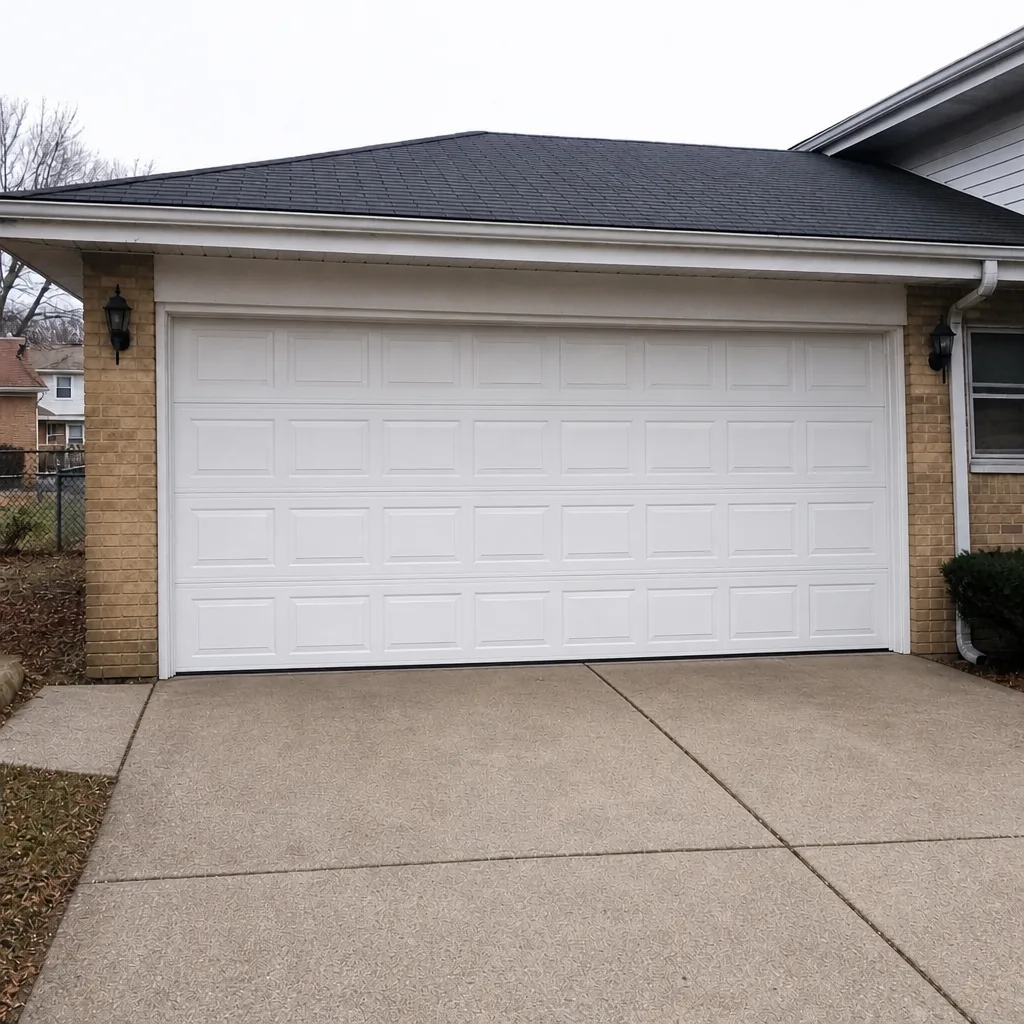
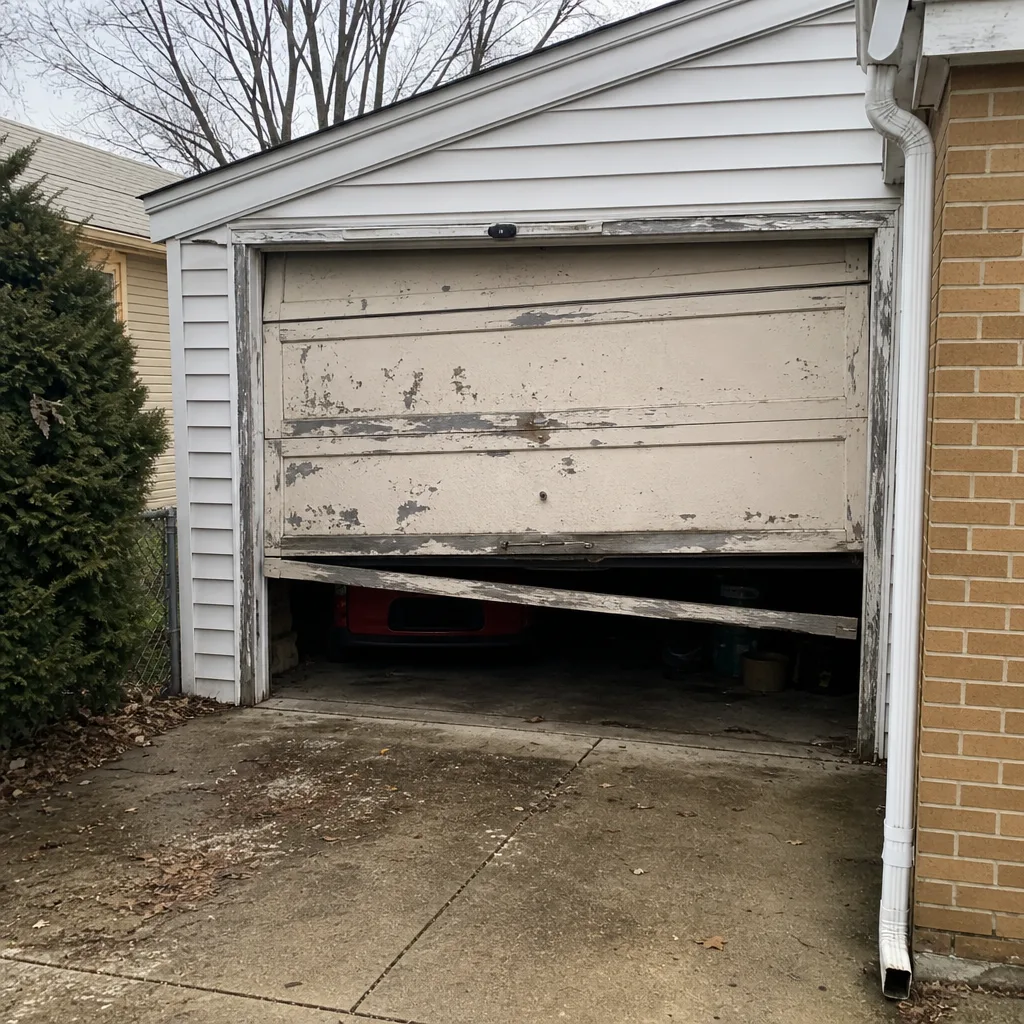
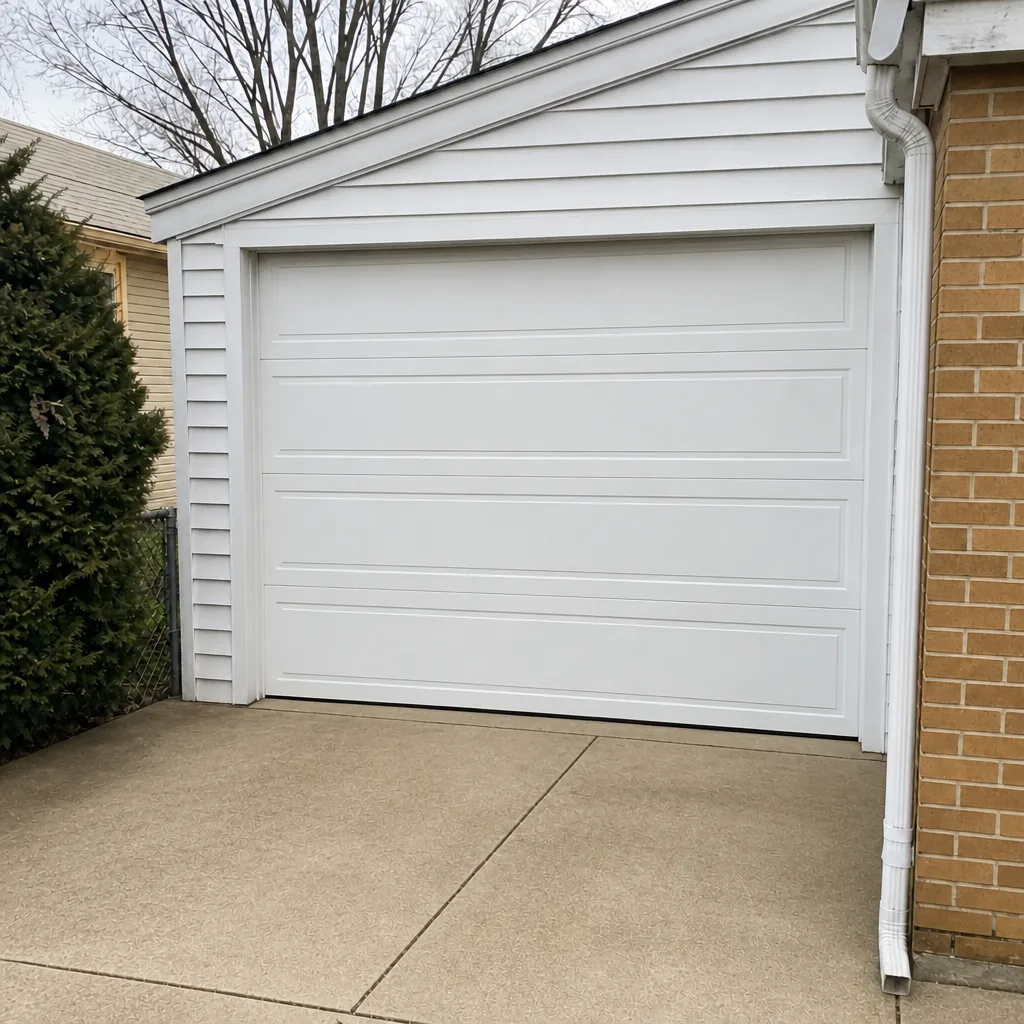
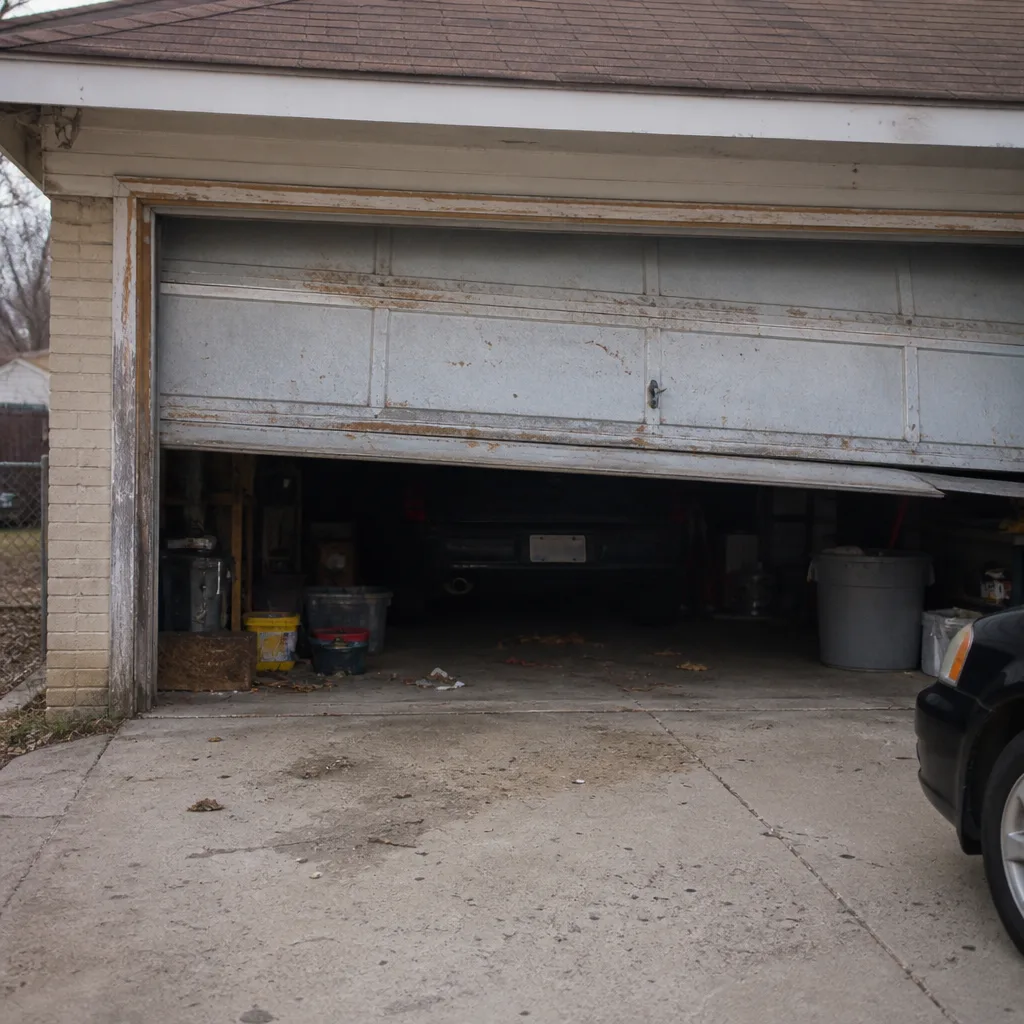
See the difference
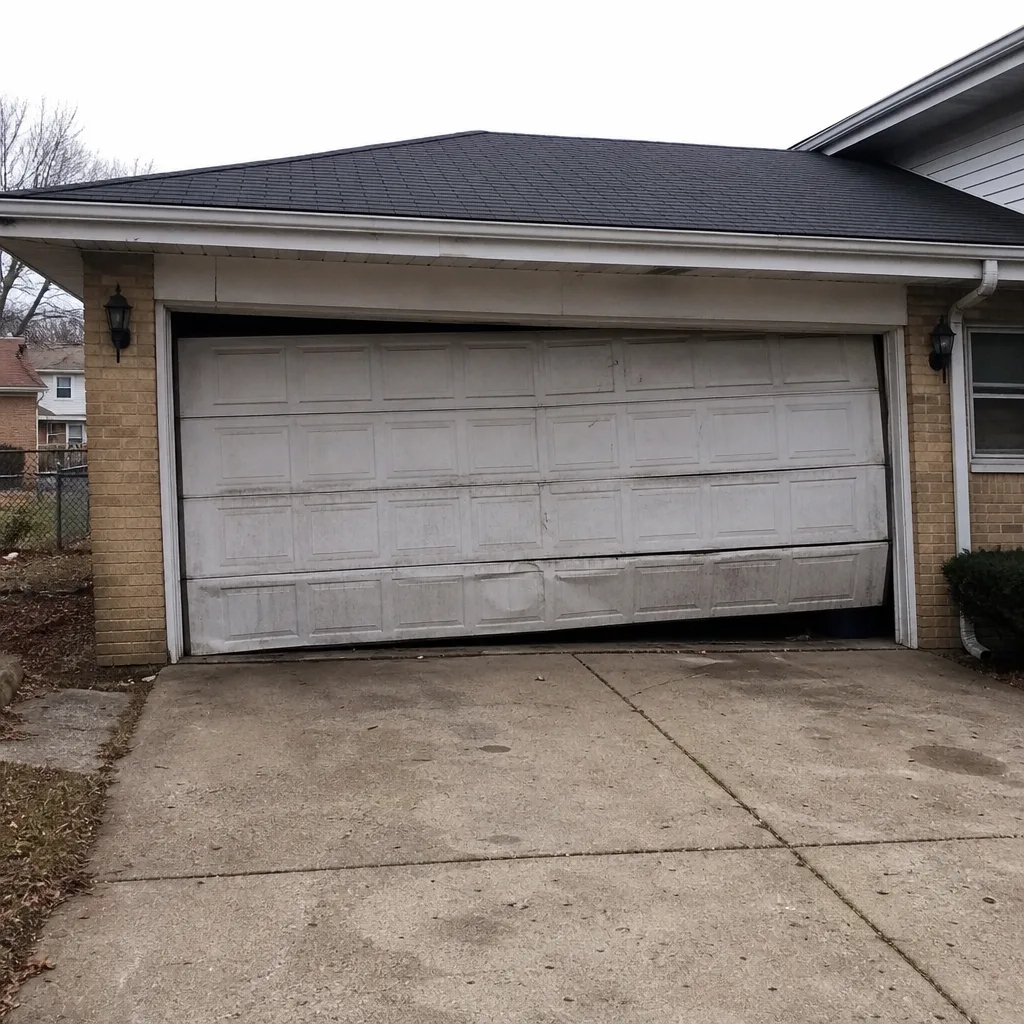 Before
 After
 Before
 After
 Before
 After
When to Call a Professional
Some maintenance is yours. Some isn’t, and knowing the line protects both your door and your safety. Call a professional if the balance test fails, if the door feels heavy or drops on its own when you release it, if you hear grinding or popping from the spring assembly, if a cable looks frayed or has come out of its drum, if the safety reverse doesn’t work, or if the door has come off its track entirely. Springs, cables, and torsion hardware are not homeowner territory, and no amount of online instructions makes them safe to adjust. Our technicians have up to 11 years of experience with garage door systems, and spring repair is a named service we handle in-house, not something we send out.
Garage Door Repair Garfield Ridge offers free estimates in Garfield Ridge. Call (877) 492-2475. We answer 24/7. Fast dispatch from 7am to 7pm, Sunday through Friday, and we’re closed Saturday. The price is quoted and agreed before any work starts.
Frequently Asked Questions
Twice a year, with the right product for each component. Hinges get a light lithium grease, steel roller bearings get a few drops of machine oil, and tracks get nothing at all. Don’t lubricate springs or nylon rollers. Call (877) 492-2475 for an exact quote if you’d rather we handle it, and estimates are free.
No. Torsion springs are wound under extreme tension and store enough energy to cause serious injury. The balance test tells you whether a spring is carrying its share of the weight, and that’s the limit of safe homeowner work. If the test fails, call (877) 492-2475, and the technician will diagnose and quote the repair before starting.
Heavier than it should be on the way up, and it won’t hold position when you release it at waist height. A balanced door feels nearly weightless, maybe 10 to 15 pounds of resistance. If yours pulls against you or drifts, that’s a sign of spring wear. Call (877) 492-2475 for a diagnostic visit.
When you feel gaps, cracks, or a compressed-flat bottom seal. Run your hand along the closed door’s full bottom edge, and check the corners where the seal meets the frame. In Garfield Ridge, check this in October, before the freeze-thaw cycle starts. If the seal is cracked or peeling, replacing it now costs far less than living with a cold garage all winter.
Yes. Wrong products do damage. WD-40 strips the film on springs and shouldn’t go near them. Grease on tracks collects grit and creates grinding. Nylon rollers need no lubricant at all. If you’re unsure what’s on your door, call (877) 492-2475 and a technician can tell you what your Amarr, Wayne Dalton, or Craftsman door needs.
The price is set per job by a written estimate, quoted and agreed before any work starts. There’s no separate fee quoted here because the estimate is free and specific to your door. Call (877) 492-2475 for an exact quote, and estimates are free.
The Bottom Line
A garage door maintenance schedule that works has two features: it’s tied to how each component actually wears, and it fits in under two hours a year. The four sessions that matter are the spring inspection, two lubrication rounds, the fall balance and hardware check, and the fall weatherstripping inspection. Use the right lubricant on each part, leave the springs and cables to a trained technician, and treat a failed balance test as a call, not a project. That’s the whole schedule. Garage Door Repair Garfield Ridge offers free estimates, and our technicians have up to 11 years of experience with the brand you already own, whether that’s Amarr, Wayne Dalton, Craftsman, or Raynor. Call (877) 492-2475. We answer 24/7. Fast dispatch from 7am to 7pm, Sunday through Friday, closed Saturday, with the price quoted and agreed before any work starts.
Written by the team at Garage Door Repair Garfield Ridge.