
Last updated November 21, 2026
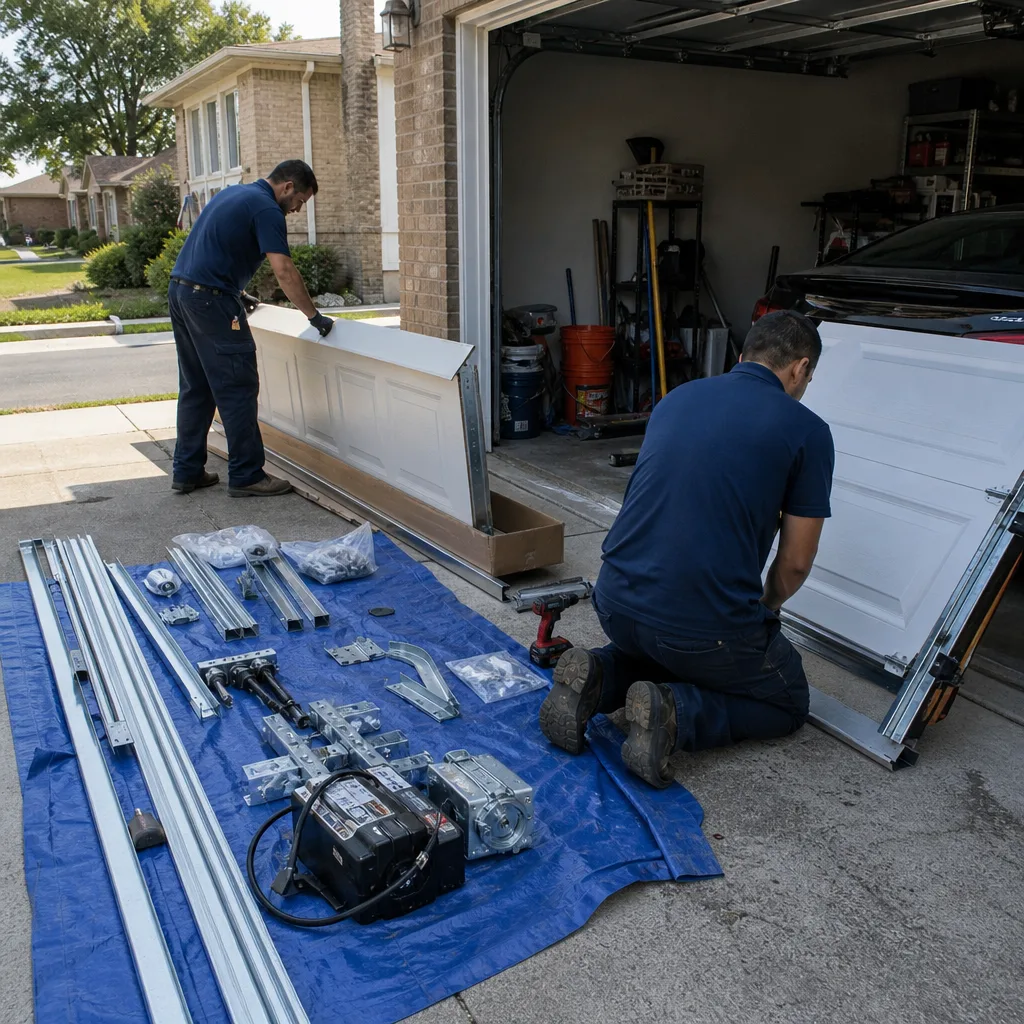
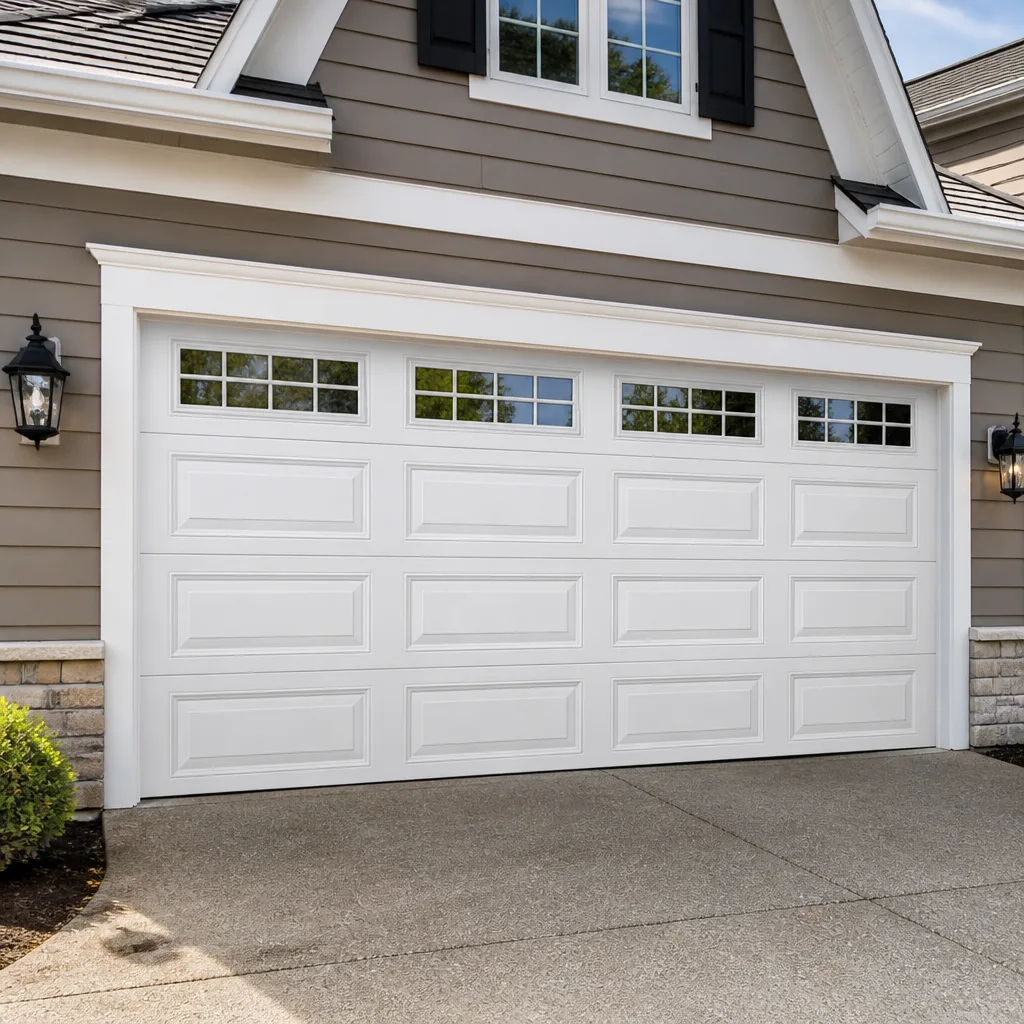 Raised-panel steel
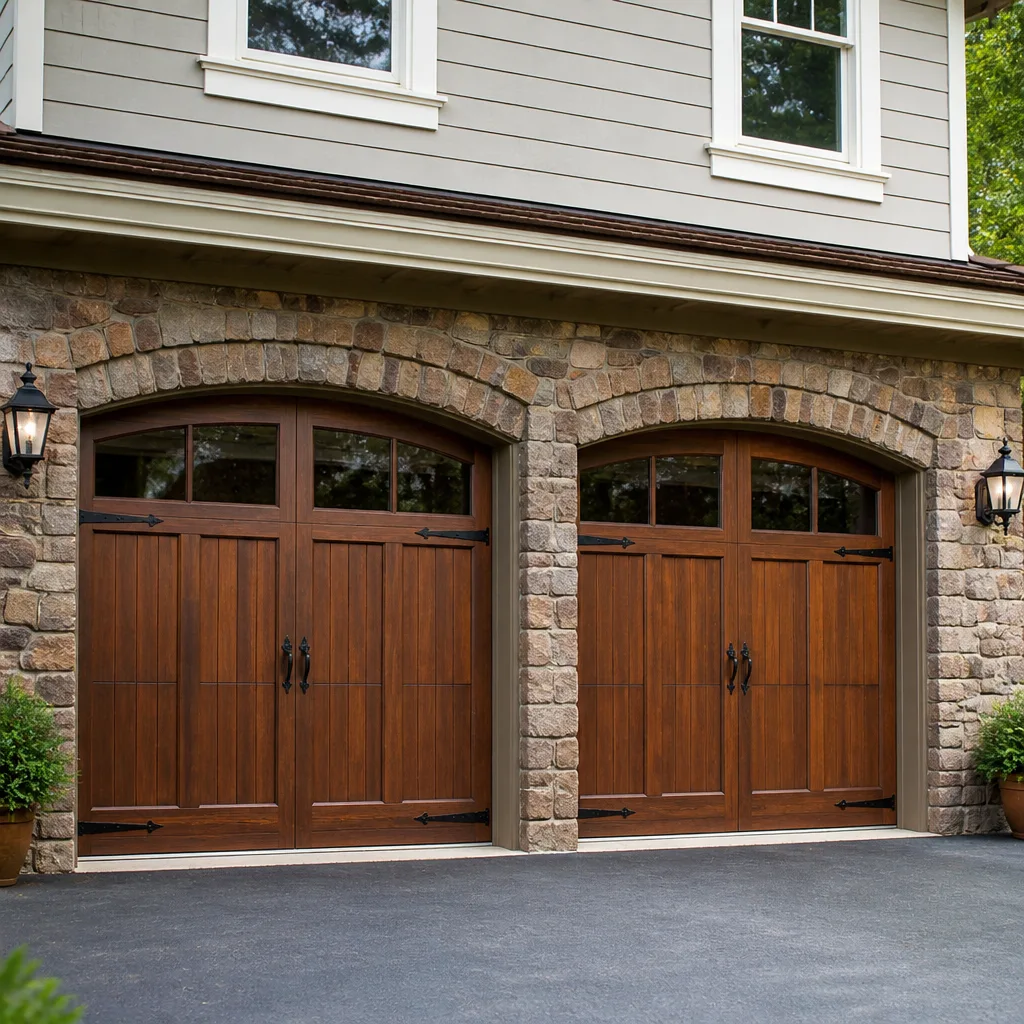 Carriage house
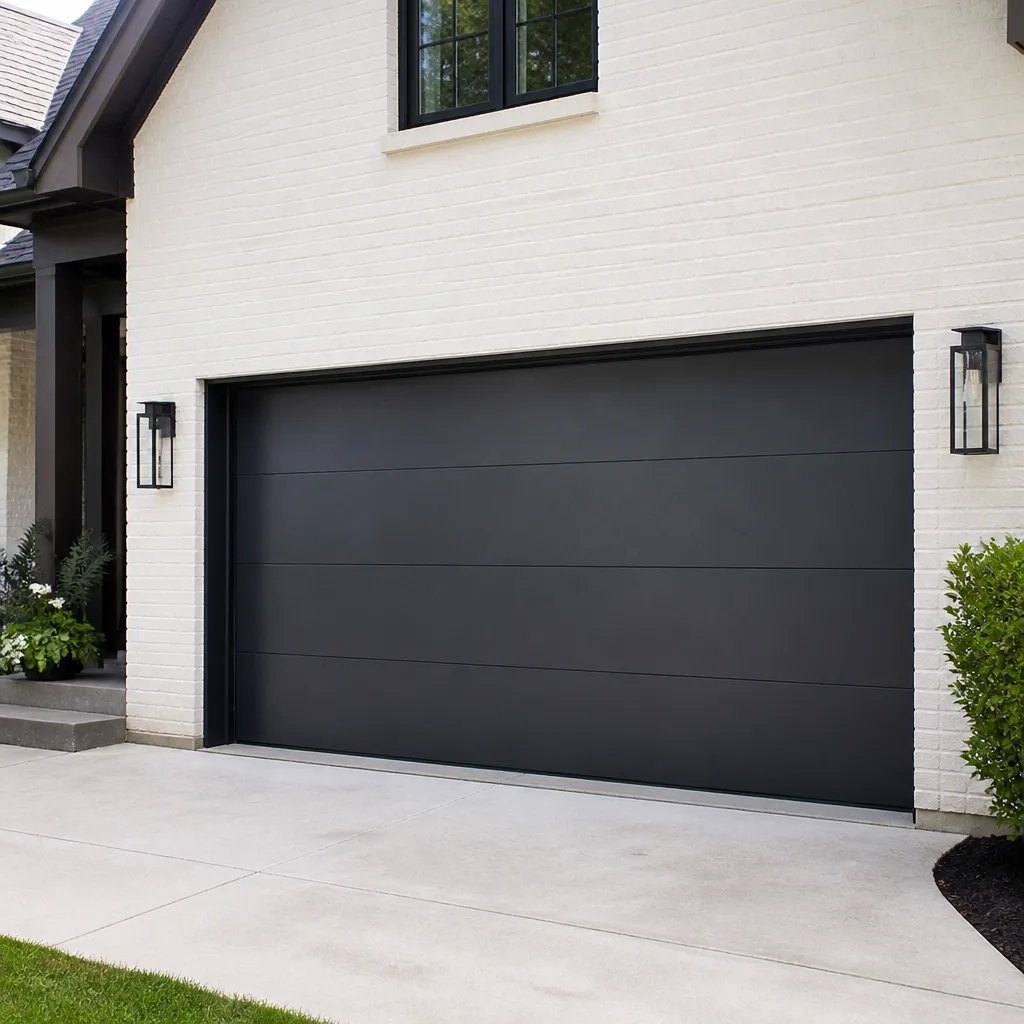 Modern flush
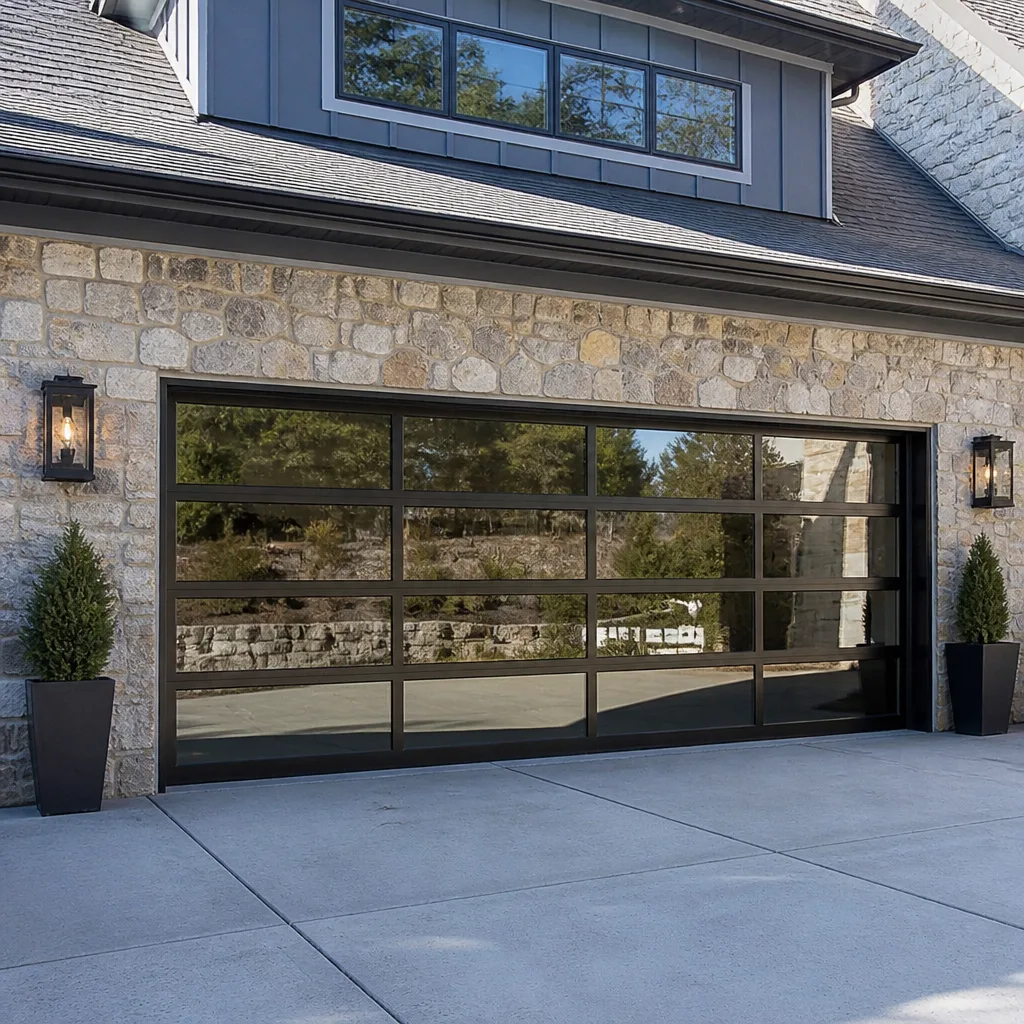 Full-view glass
 LiftMaster openers
 Chamberlain openers
Full 25-point door and opener safety check with every visit - springs, cables, rollers, tracks, and your LiftMaster or Chamberlain opener included
You get a price before we start. It does not change when the pro arrives.
Get your free estimateGarage Door Repair Troubleshooting in Garfield Ridge: Common Problems and How to Fix Them
Your garage door isn’t “broken.” It’s telling you exactly what’s wrong. The grinding noise, the hesitation at the halfway point, the uneven gap at the bottom, the thud that rattles the kitchen wall – each one points to a specific part, and misreading that signal is what turns a small fix into a much bigger bill. Most homeowners in Garfield Ridge look at a stuck door and see one problem. A technician hears three or four separate clues. This guide teaches you to read the clues, separate the cheap fixes from the dangerous ones, and know the moment to put the tools down and call someone. Garage doors are all we do, and we’ve spent years translating door symptoms into plain English for homeowners across Garfield Ridge and the surrounding blocks.
Quick Answer
Most garage door problems fall into five mechanical categories: spring and cable failures, opener or operator faults, track and roller wear, panel and seal damage, and sensor or safety-reverse issues. You can identify which category you’re facing by listening to the noise, watching how the door moves, and running one simple disconnect test – and that tells you whether it’s a DIY-safe adjustment or a job for a trained technician. Anything involving the torsion spring, the cables, or the high-voltage opener wiring should be left to a professional.
Styles & brands we work with
- Raised-panel steel
- Carriage house
- Modern flush
- Full-view glass
- LiftMaster openers
- Chamberlain openers
Table of Contents
- Symptom-to-Cause Mapping: What Your Door Is Telling You
- How to Tell If a Spring Is Broken Without Touching It
- Opener Problem or Door Problem? The 30-Second Test
- Which Troubleshooting Steps Are Actually Safe to Do Yourself
- Garfield Ridge Seasonal Patterns: What Breaks in Which Season
- When a Repair Stops Being a Repair
- What Garage Door Repair Typically Costs in Garfield Ridge
- Prevention You Can Do Yourself
Symptom-to-Cause Mapping: What Your Door Is Telling You
Every noise and movement pattern on a garage door corresponds to a specific component. Vague advice like “your door needs service” helps nobody. Here’s how we listen to a door.
- Loud grinding or a rumbling hum from the opener unit itself: usually a worn gear or a failing drive assembly inside the opener. The door isn’t the problem; the motor is.
- Popping or snapping that seems to come from the center above the door: a torsion spring that’s winding down, or a cable that’s slipping off a drum. This is the “stop and call” noise.
- Scraping or squealing as the door travels: a dry or rusty roller, a bent track, or a hinge that needs lubrication. Usually a low-cost fix.
- A single loud bang, followed by the door feeling very light or refusing to lift: a broken spring. We’ll come back to this – it’s the most important safety distinction in the guide.
- Rattling that only shows up at the top or bottom of travel: loose brackets or a worn bearing plate. Annoying, but rarely urgent.
- Grinding that gets louder with the weather change: inconsistent roller wear on old steel rollers. Common in doors that see a lot of temperature swings.
Notice how each entry names the part, not just the symptom. That’s the whole skill. Once you can say “that’s a roller issue” or “that sounds like the opener gear,” you’ve done most of the diagnosis. A technician on the phone can confirm it and give you an honest estimate before anyone touches a wrench. If the “how much will this cost” question is what’s really on your mind, so much of troubleshooting is really about getting garage door repair done with the right diagnosis the first time.
One more pattern worth knowing: a door that runs quietly but stops part-way is almost never a noise problem. Stopping is a control problem – either the opener’s limits are out of adjustment, or something is sensing an obstruction that isn’t there. We’ll sort that out in the opener section.
How to Tell If a Spring Is Broken Without Touching It
A broken garage door spring is very often visible from a safe distance, and that’s the point: you should be able to tell without putting your hands on it. The number one rule is never to touch the torsion spring, the cables, or the winding cones. Those are under enormous stored tension – the kind that can cause serious injury in an instant. A trained professional with the right winding bars is the only person who should touch them.
Here’s how to inspect from the ground, safely.
- Look at the torsion spring, the coil mounted on the shaft above the door. A spring that has a visible gap in the coil – often an inch or more of daylight between the winds – is broken. You’ll usually see the two halves separated.
- Look for a hanging cable. A snapped cable typically dangles loose. Do not pull on it. A dangling cable is a sign to call.
- Test the lift with the opener disengaged. Pull the manual release (the red cord) once and try lifting the door by hand. A healthy door lifts with moderate, steady effort. If it feels surprisingly heavy or won’t stay up, the spring has likely failed.
- Never re-engage the opener on a door you suspect has a broken spring. The motor will grind and may burn itself out trying to lift a door the spring can no longer balance.
If you’ve done the visual and the lift test and your gut says “spring,” that’s the answer. One spring is a routine job; note that most doors carry a matched pair of springs, so a pair is usually replaced together, and the cost reflects that. We work on both torsion and extension systems and understand how a Garfield Ridge door behaves through a bad cold snap, which is exactly when springs fail most. If springs are your problem, that’s our front-line specialty.
Opener Problem or Door Problem? The 30-Second Test
This is the single most useful troubleshooting step on the page. It separates the two halves of your system – the powered unit on the ceiling and the mechanical door on the wall – and it takes half a minute.
- Pull the manual release cord so the door is disconnected from the opener rail.
- Lift the door with your hands. If it moves up and down smoothly with reasonable effort and stays where you leave it, the door and its hardware are fine.
- Now press the wall button or remote with the door still disconnected. If the opener carriage runs back and forth smoothly, the opener is fine too.
Whichever half failed the test is where the problem lives. If the door is heavy and won’t stay up when disconnected, the problem is in the springs or cables – the opener is an innocent bystander. If the opener chatters, hums, or does nothing while the door itself feels balanced, the problem is opener-side. That side is its own specialty, and when a motor is the culprit, a proper diagnosis comes before any replacement. Our ability to handle garage door opener repair as a dedicated service – not a side job – means we check the logic board, the gears, the travel limits, and the safety sensors rather than swapping the whole unit on a hunch.
Opener-side issues show up in a handful of familiar forms:
- Humming, then nothing. A seized motor bearing or a stripped gear inside the housing. The motor is trying; the drive isn’t moving.
- Lights flash but the door only moves partway. The travel limits are set wrong, or the door is binding and the opener is sensing resistance.
- Nothing happens at all. Dead remote battery, a wall button wired loose, or a breaker tripped – start simple before assuming the logic board.
- The door reverses the instant it touches the floor. More often than not, that’s the safety sensor or the force adjustment, not a broken door. We’ll get to it.
Modern openers from brands like LiftMaster and Chamberlain are full of sensors and safety logic designed to sense resistance and reverse. That’s good for safety, but it also means a small bind in the door can look like an opener failure. The disconnect test cuts through that confusion. When the unit is one we recognize, we know where to look first for brand-specific quirks.
Which Troubleshooting Steps Are Actually Safe to Do Yourself
Some troubleshooting is safe and productive for a homeowner. Other steps cross a line where a mistake can injure you or void a warranty. We’d rather draw that line clearly, without scare tactics, than leave you guessing.
Genuinely safe to try yourself:
- Lubricating rollers, hinges, and tracks with a garage-door-specific lubricant. A dry hinge is one of the cheapest fixes in the trade.
- Checking and cleaning the safety sensors. Wipe the lenses and confirm the indicator lights are solid. A dusty lens is a surprisingly common cause of a door that won’t close.
- Replacing the opener’s remote battery. Simple, cheap, and often the whole fix.
- Re-aiming the photo-eye sensors. Small alignment adjustments to the little mounted sensors are safe.
- Visual inspections and the lift test above. Reading the door is always safe from a distance.
Steps that cross the line – call a professional:
- Adjusting or replacing a torsion spring. This is the highest-risk item on any garage door. Never touch it, even to “check” it.
- Replacing or re-tensioning cables. These are the parts that can snap into your hands.
- Adjusting the opener’s force limits or travel settings blindly. A door forced too hard defeats its own safety reverse.
- Working on the opener’s wiring or logic board. It’s 120-volt or line-voltage territory, and a mistake here is an electrical hazard.
- Straightening or re-bending a track. A bent track is a weight-bearing structure; a bad rebound can bind the whole door.
The honest rule of thumb: if the part moves when the door is under tension, it’s not a DIY part. If it’s lubrication, cleaning, battery, or a visual check, it likely is.
Garfield Ridge Seasonal Patterns: What Breaks in Which Season
Garfield Ridge sits on the Chicago side of the city, and the weather here is a load on your door all year. The freeze-thaw cycle is the big one. Water works into seams, the temperature drops overnight, and everything that was fine in September stiffens up by January. We see predictable patterns through the year, and knowing them helps you stay ahead of a failure.
- Late winter: broken springs. Cold makes the steel more brittle, and the first serious cold snap is when the accumulated fatigue finally gives. A door that struggled through the fall often gives up when the temperature dives.
- Early spring: track and roller issues. Freeze-thaw cycles shift moisture in and around the door opening, and tracks that were fine can press slightly out of alignment. A door that scrapes in March usually started drifting in February.
- Summer heat: lubricant thins and dries, roller squeaks return, and motors run hotter. A little noise in July is often just a dry bearing surfacing.
- Autumn: seal and weatherstripping checks before the cold arrives. A worn bottom seal lets cold air and moisture in, and that moisture is what feeds the winter failure cycle.
- Year-round: remote and opener reliability drops in extreme temperature swings, and photo-eye sensors can fog or mist over. A quick clean often resolves what looks like a failure.
A door that had a minor noise or hesitation in the fall is more likely to fail during a Chicago winter than at any other time. If you hear a scraping sound now and the weather is turning colder, get it looked at. Catching a worn roller in October is cheaper and safer than replacing a spring in January. Garfield Ridge’s freeze-thaw swing is a real one, and it’s why a lot of repairs we see cluster in the coldest weeks.
When a Repair Stops Being a Repair
Not every problem is worth fixing. Sometimes the smart money is on repair, and sometimes it’s on a new door or a new opener. Here’s how a technician thinks about that fork in the road, and it’s not (contrary to what some sales pitches imply) a matter of upselling.
Repair usually wins when:
- The door panels are solid and the frame is straight.
- A single component – a spring, a roller, a bearing, a hinge – has failed while the rest is in good shape.
- The opener is healthy and the door-side hardware just needs attention.
Replacement makes more sense when:
- Multiple panels are dented, cracked, or separating.
- The door is old and every fix reveals another failing part.
- An opener is repeatedly failing in ways that point to the unit rather than the door.
- You want to change the look, improve insulation, or match the door to the house.
Our approach is to repair what can be repaired, and to tell you honestly when a repair is throwing money at a problem that keeps coming back. A lot of the decisions that matter for the whole property – insulation, curb appeal, motor choice – get laid out clearly when you’re planning garage door installation. Either way, the quote comes before the work, and you’re never surprised by the number.
What Garage Door Repair Typically Costs in Garfield Ridge
Here’s a direct answer: the price depends entirely on which category from our symptom map you’re in, and the written estimate you get is the price you pay. We never quote a firm number sight unseen and we never send a bill bigger than the agreed quote. These are typical estimated ranges for common repair jobs – treat them as a starting point, not a final price.
| Common repair | Typical estimated range |
|---|---|
| Single torsion spring replacement | $180 – $340 |
| Matched pair of springs | About twice the single-spring range |
| Roller or hinge replacement | $90 – $175 |
| Cable replacement | $150 – $300 |
| Opener repair (gear, board, or component) | $150 – $320 |
| Track realignment or bracket repair | $120 – $250 |
| Bottom seal or weatherstripping | $85 – $180 |
Two things drive where you land in those ranges. First, one spring versus a matched pair: most doors carry a pair, so a pair is usually replaced together and the cost reflects that. Second, the part – a standard-size roller costs less than a heavy-duty one, and an opener’s logic board costs more than a gear set. We give you a free estimate in writing before any work begins. When a brand-specific part is needed, we source it directly – that’s a big reason we handle a lot of Wayne Dalton and Clopay doors in Garfield Ridge without being forced into a full replacement. A parts supply capability means the right part, not an unnecessary new door. Call (877) 492-2475 for an exact quote – estimates are free.
Prevention You Can Do Yourself
The cheapest repair is the one you prevent. A few minutes of routine care a couple of times a year goes a long way, and none of it puts your hands anywhere dangerous.
- Lubricate rollers and hinges twice a year with a garage-door lubricant. Quiet operation and less wear.
- Wipe down the safety sensor lenses monthly, especially in winter when condensation builds up.
- Look for a worn bottom seal before the cold sets in. A tight seal keeps out the moisture that drives freeze-thaw damage.
- Run the safety-reverse test – place a solid object under the door and confirm it reverses when it contacts it. If it doesn’t, that’s a call.
- Listen to your door, seriously. A new noise is an early warning. A grinding roller in October is a cheap fix; a broken spring in January is a bigger one.
- Keep the tracks clear of dirt, leaves, and debris. Don’t force the door if something is in the way.
None of this replaces a trained inspection, but it catches the small stuff before it becomes a bigger problem. A garage door is a mechanical system with a lot of moving parts, and it rewards a little attention.
Common Mistakes to Avoid
- Trying to fix a torsion spring or cable yourself. This is the highest-risk mistake on the list. Those parts are under extreme tension and a mistake can cause serious injury – leave them to a professional.
- Forcing a stuck door with the opener. If the door can’t be lifted by hand, the motor will grind away trying to force it and may burn out. Fix the door before you run the opener.
- Adjusting force limits to “make it work.” Cranking up the opener’s force defeats the safety reverse and can hide a real door problem. It’s not a fix; it’s a delay.
- Ignoring a new noise in the fall. A winter temperature swing is what takes a minor scrape and turns it into a failed part. Early attention in Garfield Ridge saves money.
- Assuming a door problem needs a whole new door. Most failures are one component. A specialist identifies the part, and the right repair beats a needless replacement.
- Buying a part by guesswork. Wrong-size rollers, springs, and brackets cause binding and premature wear. Match the part to the door, or let someone who does this confirm it.
- Calling a generalist for a garage door problem. Garage doors have their own systems, and a technician unfamiliar with the door won’t know where to look first. A single-trade specialist gets to the answer faster.
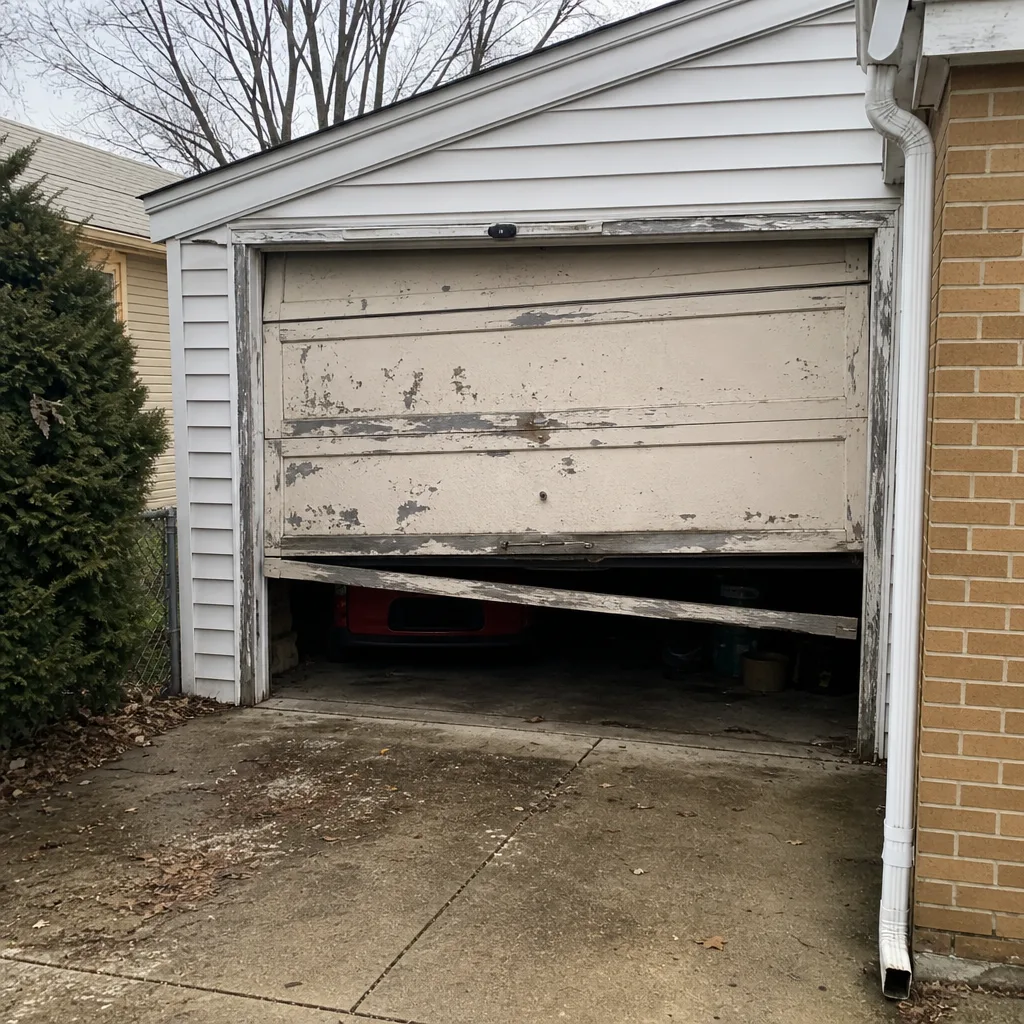
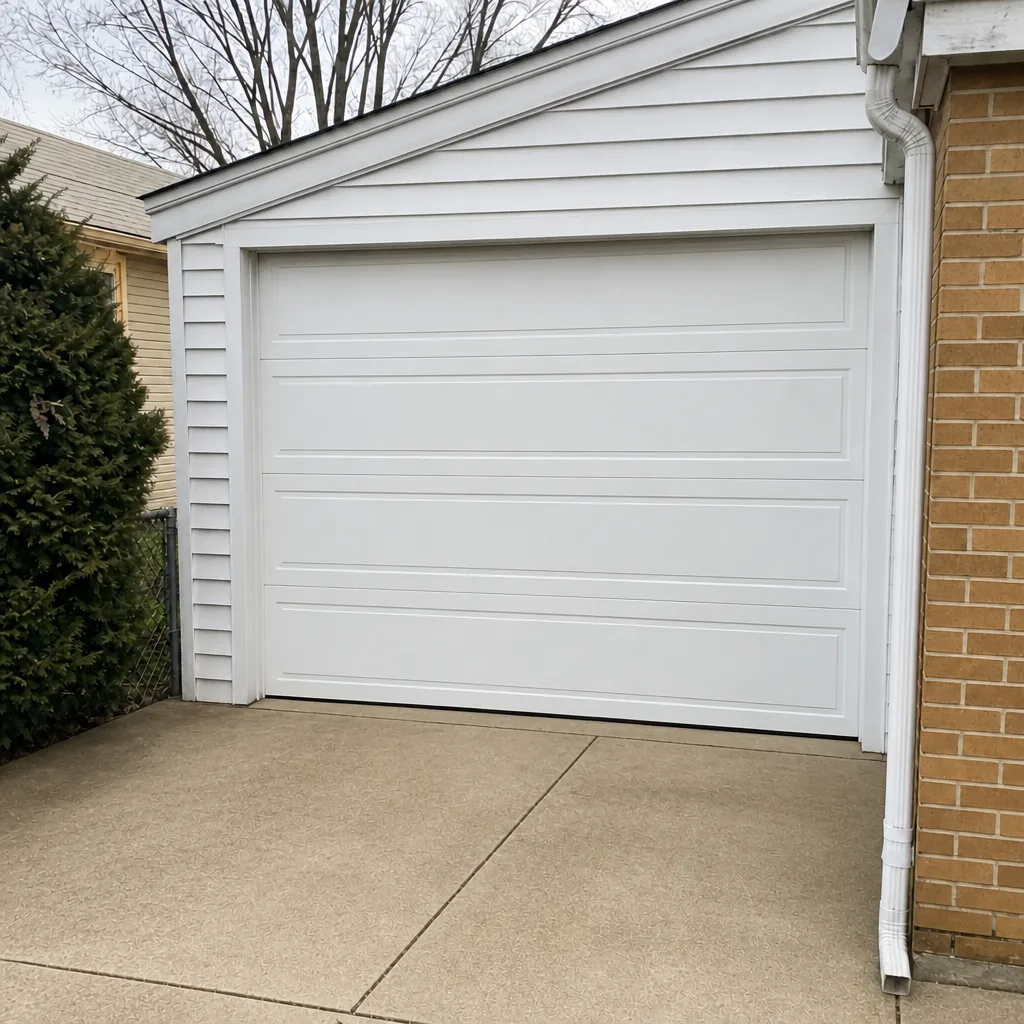
See the difference
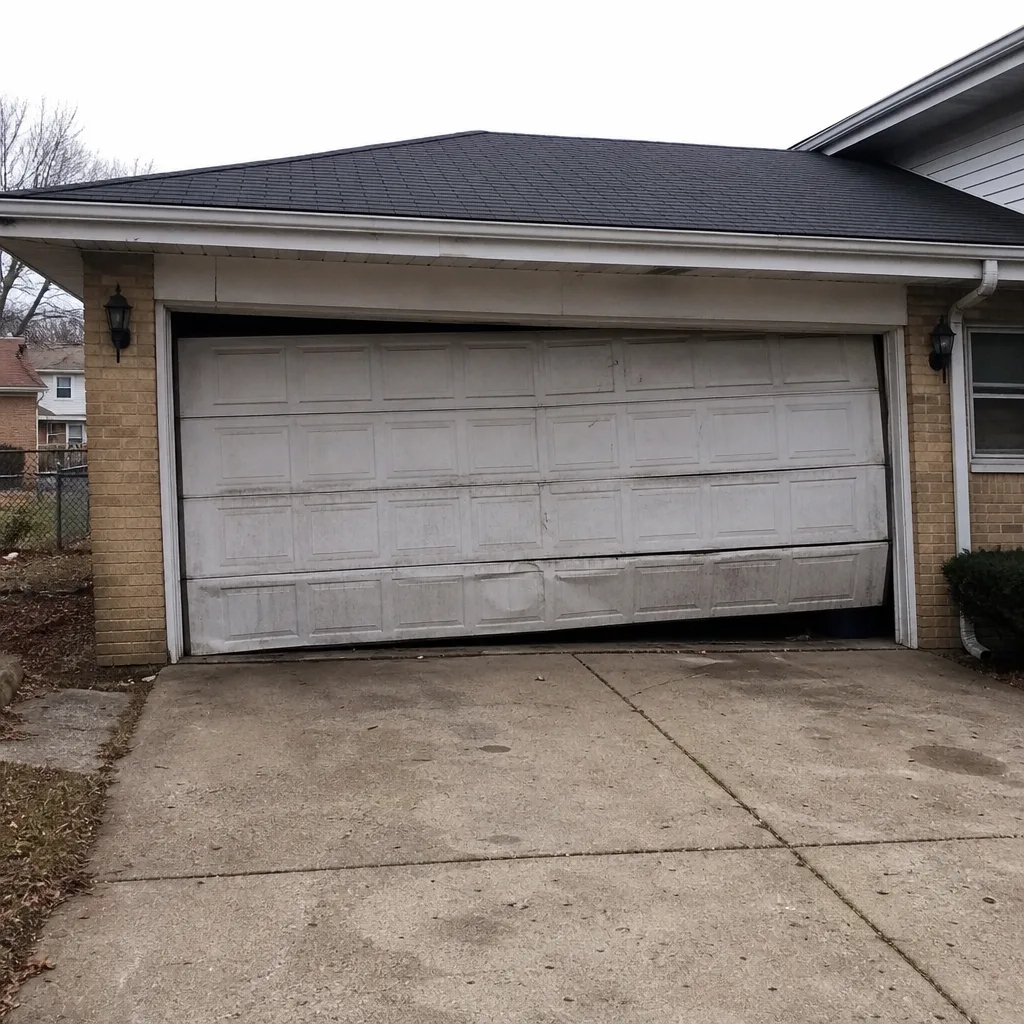 Before
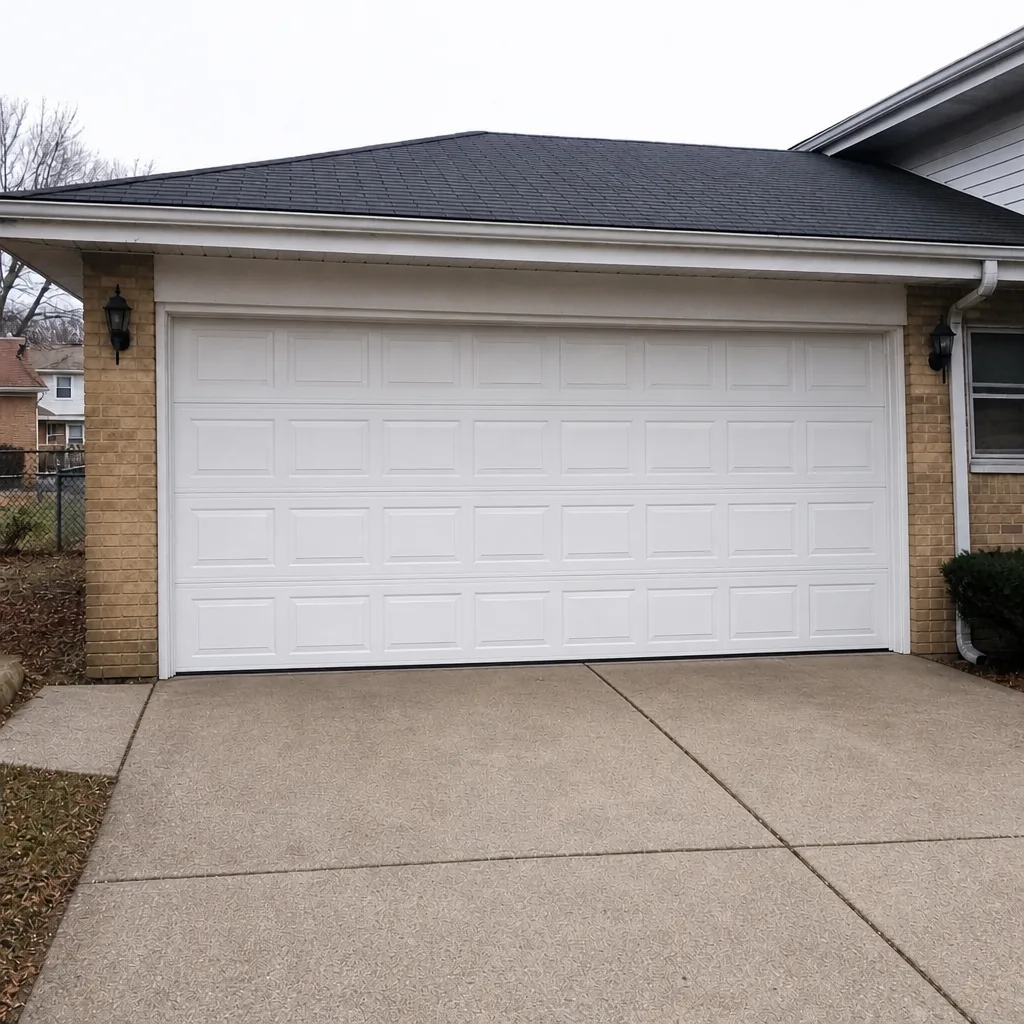 After
 Before
 After
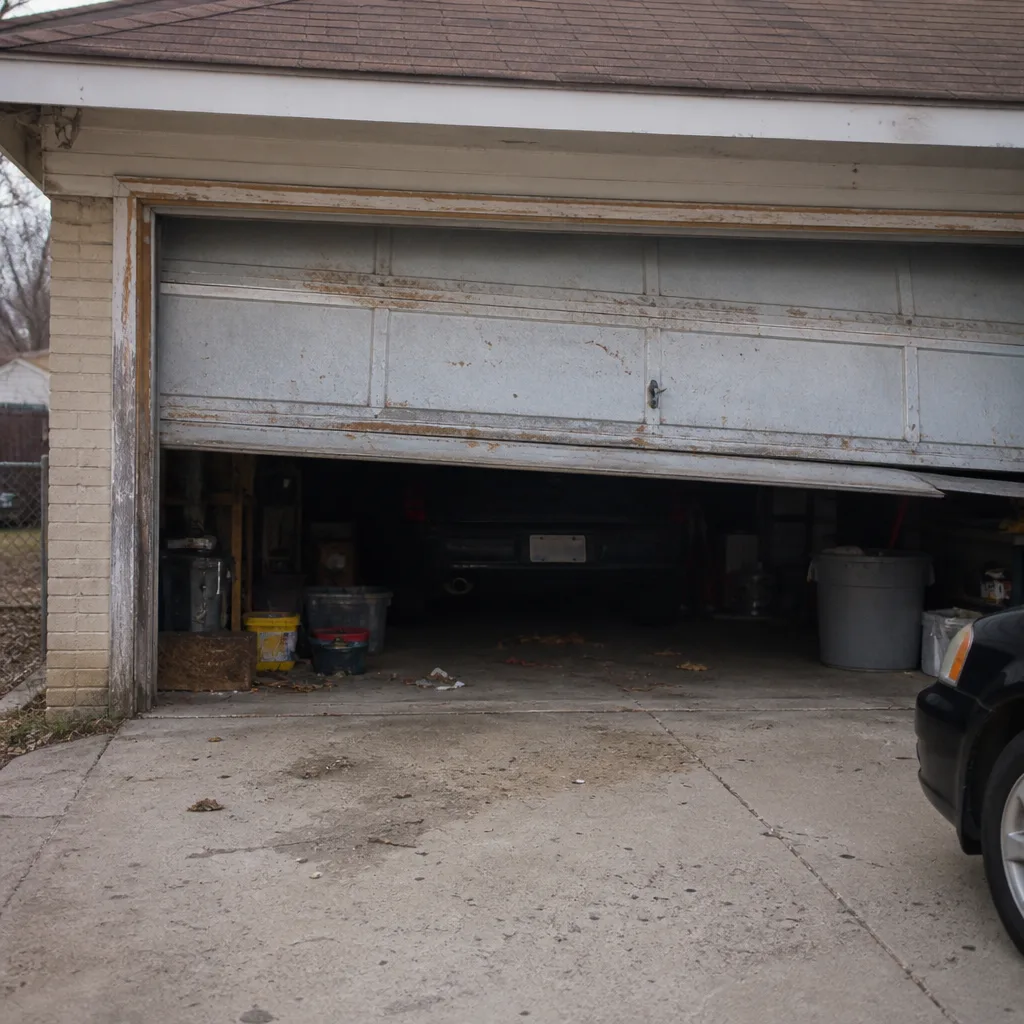 Before
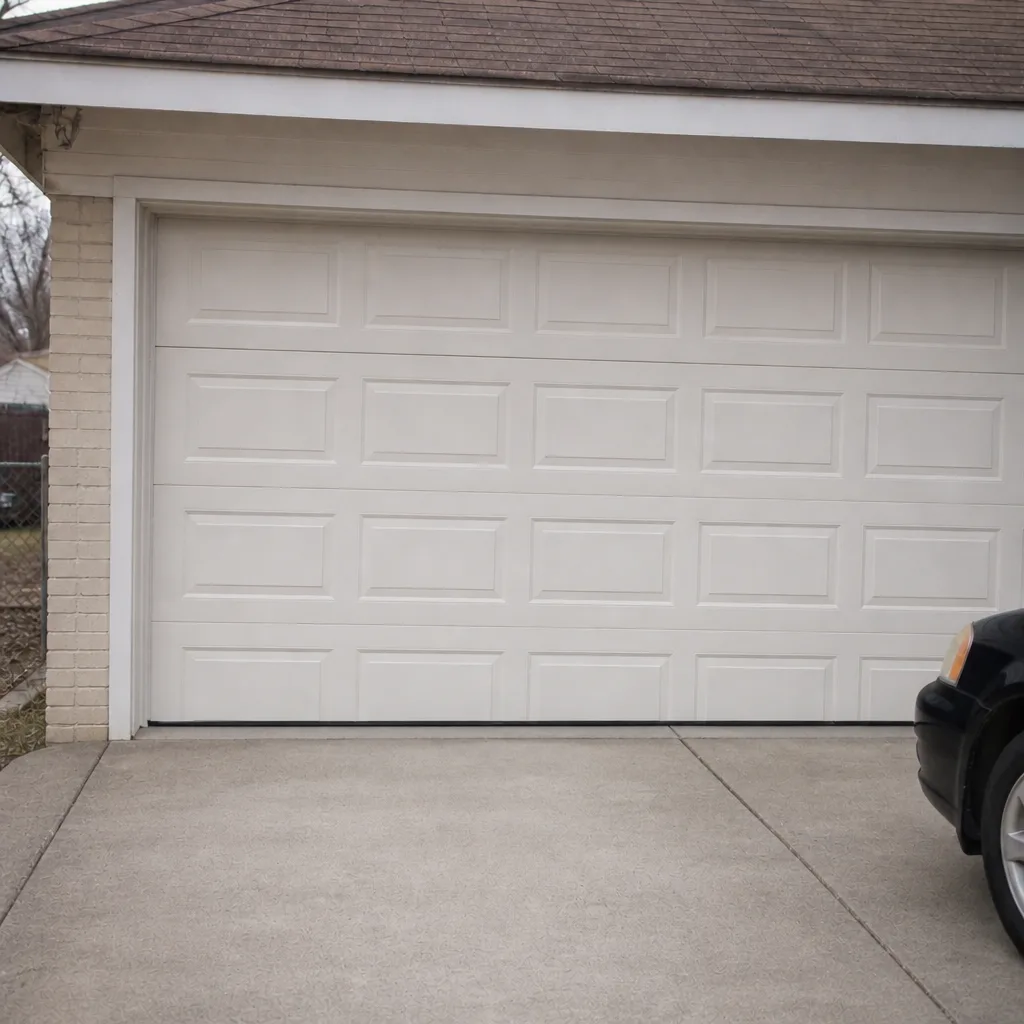 After
When to Call a Professional
Call a professional if the door has a broken spring, a hanging cable, or any part under tension that needs work. Call if the door reverses for no clear reason, if the opener runs but the door doesn’t move, or if you can’t lift the door by hand. Call if the tracks look bent, if a panel is separating, or if the door has shifted off its tracks – those are jobs where an incorrect fix can cause a bigger failure. Call if you’re simply not sure; a phone call and a free estimate cost you nothing. Garage Door Repair Garfield Ridge offers free estimates in Garfield Ridge – call (877) 492-2475. We answer 24/7. Fast dispatch from 7am to 7pm, Sunday through Friday. The price is quoted and agreed before any work starts.
Frequently Asked Questions
Single torsion spring replacement typically runs $180 – $340 in Garfield Ridge, and because most doors carry a matched pair, a pair is usually replaced together and costs about twice that. The exact price depends on the door and the spring size, and the written estimate is the final number. Call (877) 492-2475 for an exact quote – estimates are free.
For repair calls like a broken spring, a stuck door, or an opener that’s failed, our fast dispatch from 7am to 7pm, Sunday through Friday, means we can often get out the same day. We answer 24/7, so call and we’ll let you know the soonest available time. Call (877) 492-2475 for an exact quote – estimates are free.
No. The price is quoted and agreed before any work starts, and the written estimate is the price you pay. If we find something we couldn’t see or anticipate, we’ll talk to you before any extra work is done. Call (877) 492-2475 for an exact quote – estimates are free.
Yes – the local professional we connect you with is licensed and insured as their state requires. Our technicians have up to 11 years of experience and work on the brand you already own, from LiftMaster and Chamberlain to Clopay and Amarr. Call (877) 492-2475 for an exact quote – estimates are free.
No. A torsion spring and its cables hold extreme stored tension, and adjusting or replacing them is genuinely dangerous without the right training and winding tools. A broken spring should always be handled by a trained professional. Call (877) 492-2475 for an exact quote – estimates are free.
That pattern almost always points to the opener’s travel limits being out of adjustment, or the door binding and the opener sensing resistance and reversing. Run the disconnect test first to see whether the door or the opener is the culprit. If it’s the opener, that side needs a proper diagnosis. Call (877) 492-2475 for an exact quote – estimates are free.
The Bottom Line
Most garage door problems aren’t mysterious. Read the symptom, match it to a part, and run the 30-second disconnect test to tell whether the door or the opener is at fault. Those three habits eliminate most of the guesswork. Then apply the one rule that matters most: anything under spring tension – the spring, the cables, the winding hardware – is a job for a trained technician, not you. Keep the parts you can safely maintain, watch for the seasonal warning signs that show up in Garfield Ridge, and call when you’re unsure. A fast diagnosis and a lasting fix almost always cost less than reacting to a failure. Garage doors are all we do, and we’re here when you need a hand.
Call (877) 492-2475 for a free estimate. We answer 24/7. Fast dispatch from 7am to 7pm, Sunday through Friday.
Written by the team at Garage Door Repair Garfield Ridge.