
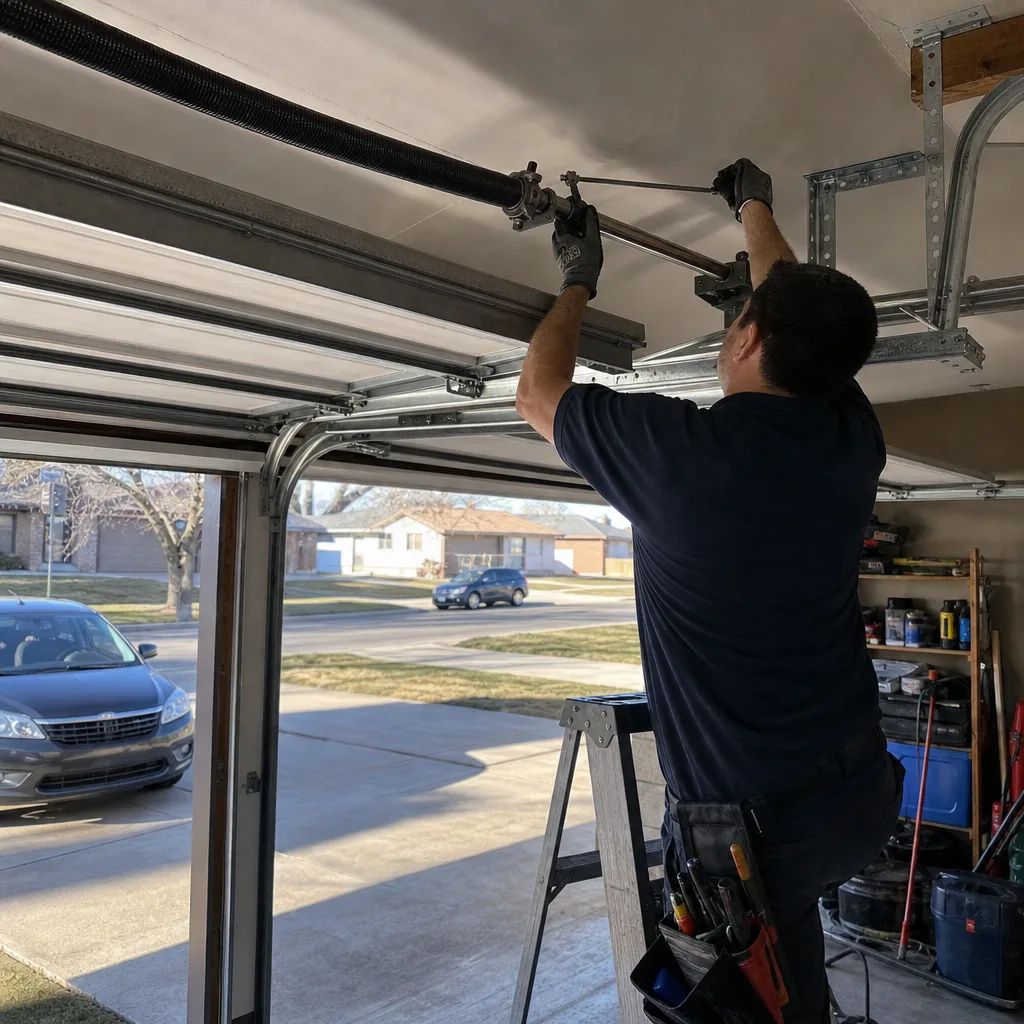
Last updated November 21, 2026
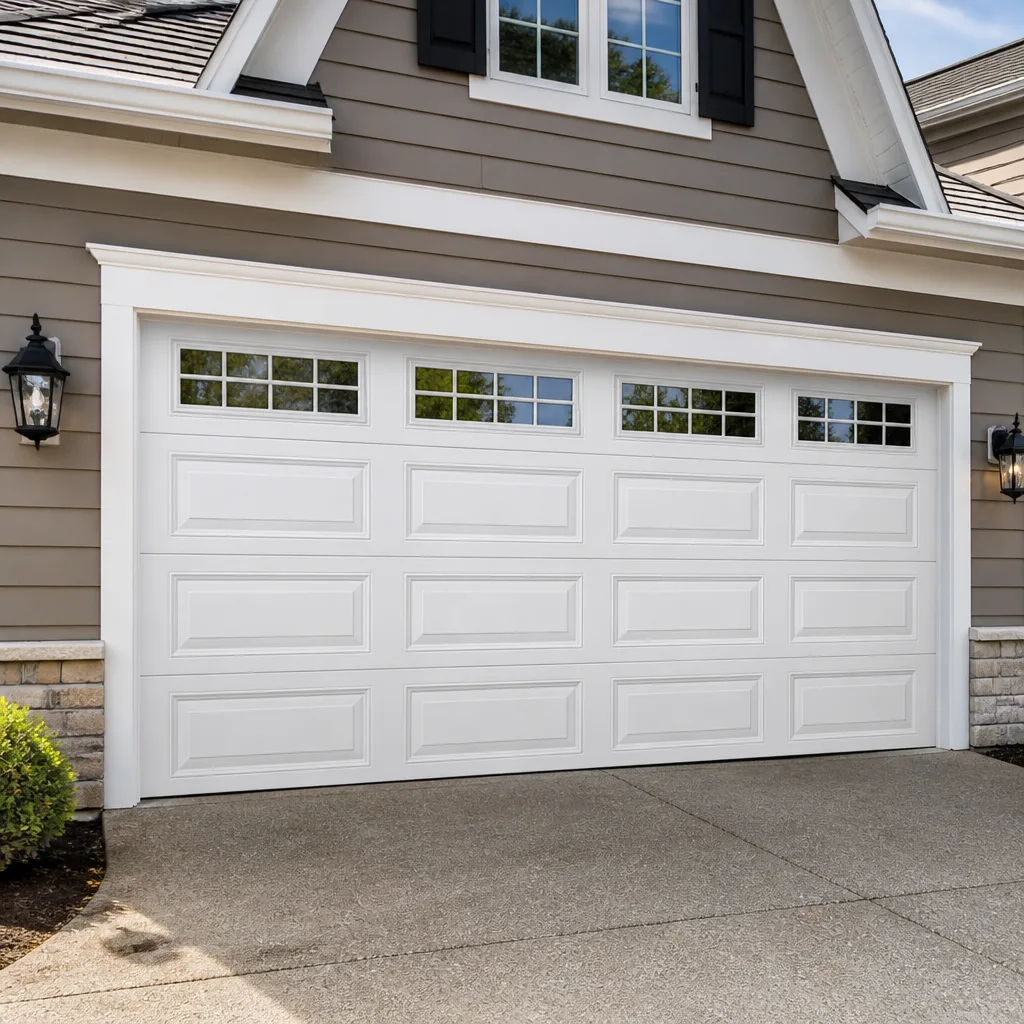 Raised-panel steel
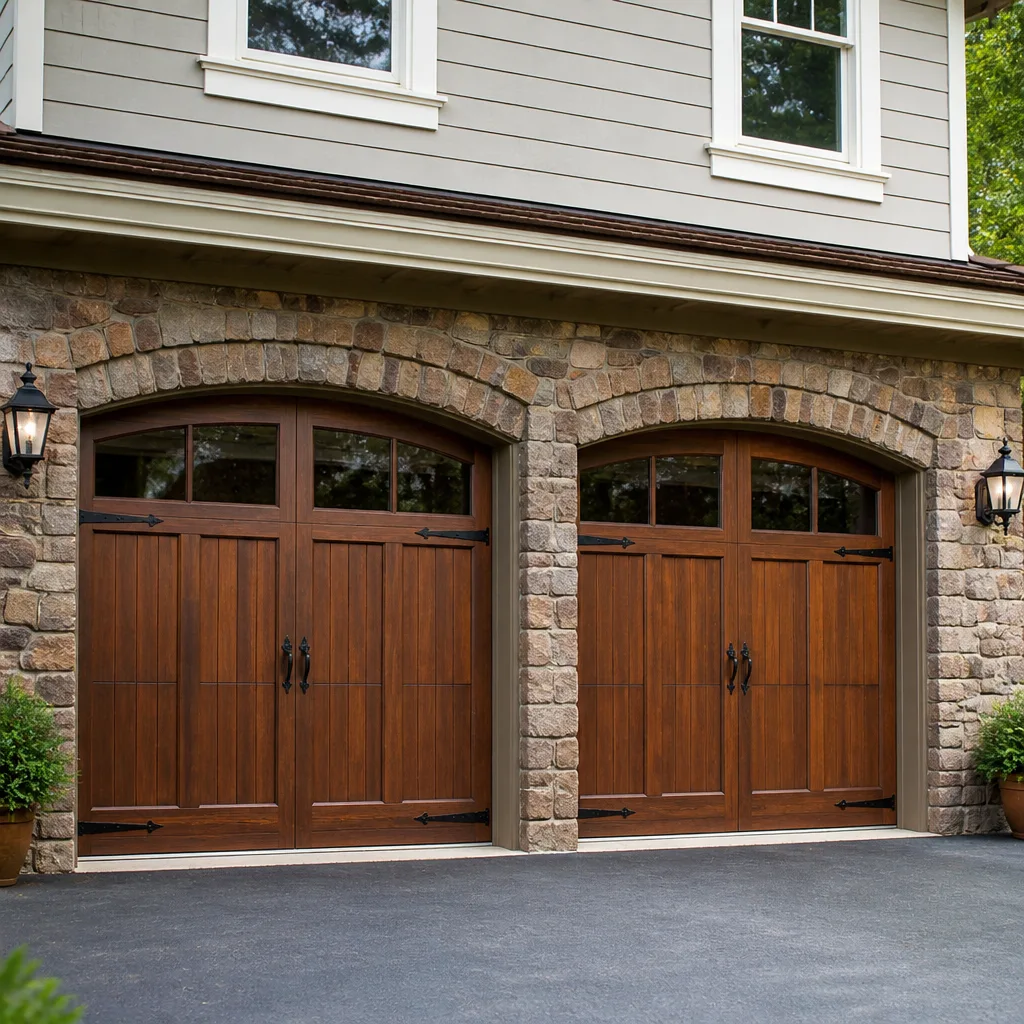 Carriage house
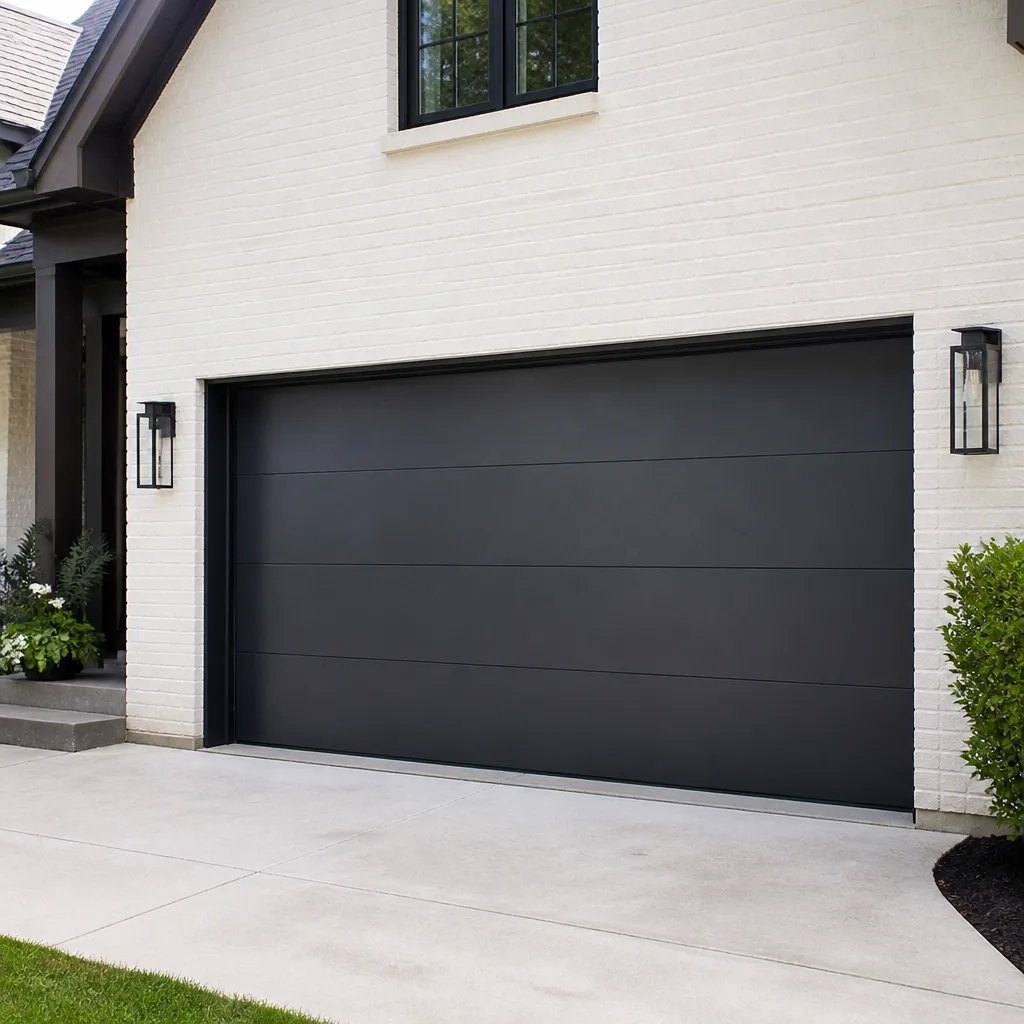 Modern flush
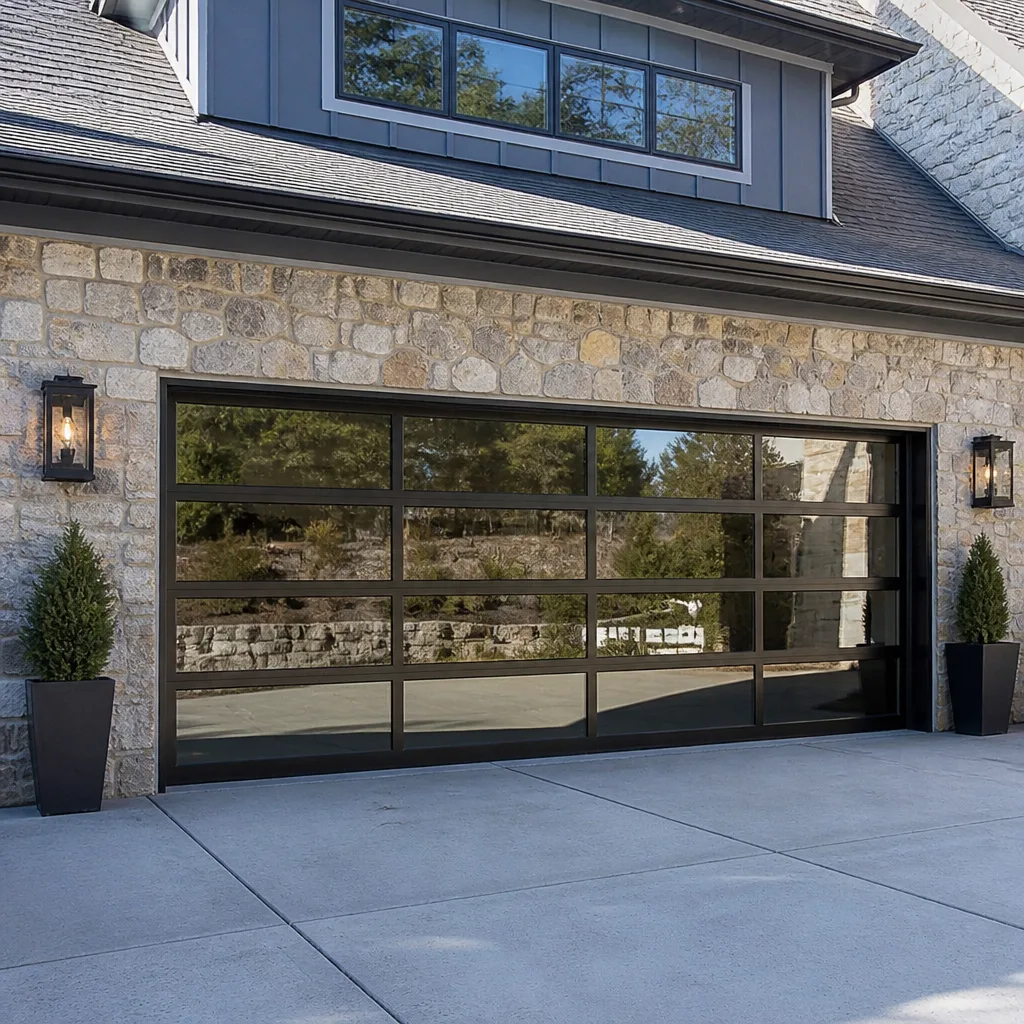 Full-view glass
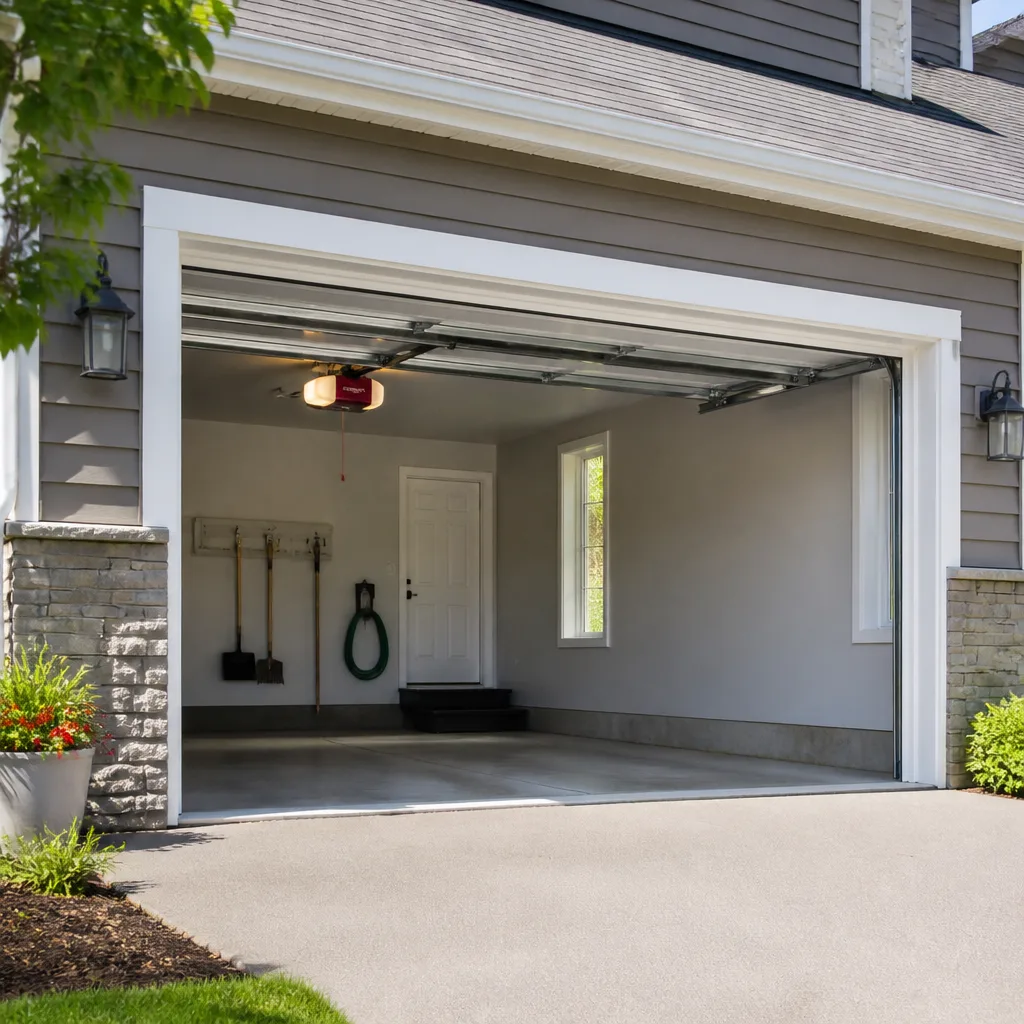 LiftMaster openers
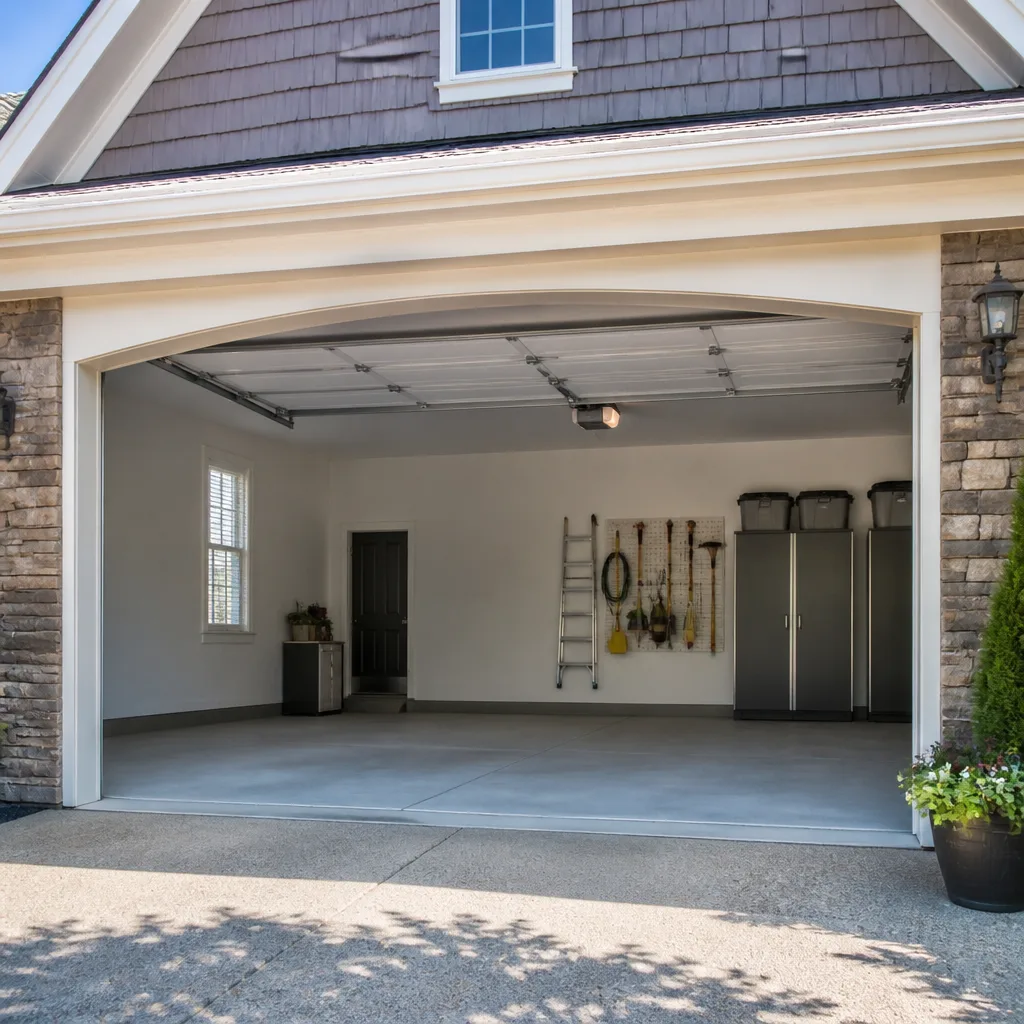 Chamberlain openers
Full 25-point door and opener safety check with every visit - springs, cables, rollers, tracks, and your LiftMaster or Chamberlain opener included
You get a price before we start. It does not change when the pro arrives.
Get your free estimateHow to Hire a Garage Door Contractor in Garfield Ridge: A Step-by-Step Guide
A quote that comes in $200 lower than everyone else usually means one of three things: undersized springs, a non-insulated door sold as insulated, or an installer who won’t be reachable when something fails in six months. Price is the easiest thing to compare and the least useful. The real question is whether the person quoting you is a garage door specialist or a general handyman who added “garage doors” to a website last month. This guide gives you the exact questions that separate the two, before you call anyone in Garfield Ridge.
Quick Answer
Hire a garage door contractor in Garfield Ridge by confirming three things first: that they carry general liability insurance you can verify with a certificate, that they specialize in garage doors rather than treating them as one item on a long service list, and that their written quote names specific parts, models, and spring sizes. Ask for the certificate of insurance, ask what spring cycle rating they’re installing and why, and ask what happens if the door fails within the warranty period. A specialist answers all three without hesitation.
Styles & brands we work with
- Raised-panel steel
- Carriage house
- Modern flush
- Full-view glass
- LiftMaster openers
- Chamberlain openers
Table of Contents
- Is a garage door specialist different from a general handyman in Garfield Ridge?
- What licensing and insurance questions should you ask an Illinois contractor?
- Why spring sizing and door weight calculations matter more than price
- Red flags in a garage door quote
- Why three quotes isn’t enough on its own
- What a realistic installation timeline looks like
- How to hold a contractor to the timeline
- What garage door work typically costs in Garfield Ridge
Is a garage door specialist different from a general handyman in Garfield Ridge?
Yes, and the difference shows up in what they can diagnose versus what they replace. A general handyman can hang a door and bolt on an opener. A specialist can tell you why the door is binding on one side, whether your torsion spring is undersized for the door’s weight, and whether the opener you already own will work with the door you’re considering. That second kind of knowledge is what prevents a repair from coming back in a few months.
Garfield Ridge has a lot of two-flat and single-family housing stock built across several decades, which means garage doors here range from older single-panel doors to newer sectional doors with modern openers. The same brand of door can be hung with very different hardware depending on when it was installed and who installed it. A technician who works only on garage doors has seen that range before and knows where to look.
Three questions expose whether you’re dealing with a specialist:
- What spring cycle rating are you installing, and why that one? A specialist will talk about cycle life and match it to how often you use the door. A generalist will say “the standard one.”
- How do you calculate the door’s weight before choosing springs? Garage door springs are matched to door weight. If the answer is a shrug, that’s your answer.
- What brands do you work on regularly? A specialist is fluent across the major brands, from LiftMaster openers to Clopay and Chamberlain systems, and works with what you already own rather than pushing one brand exclusively.
When you want a crew that works on the brand you already have instead of selling you a new one, Garage Door Repair Garfield Ridge is worth a call. Garage doors are all we do.
What licensing and insurance questions should you ask an Illinois contractor?
Ask for a certificate of insurance before any work starts, and actually read it. Illinois does not issue a single statewide garage door contractor license the way some states license electricians or plumbers, so licensing rules can vary by municipality. Call the City of Chicago’s building department or the local authority having jurisdiction in your part of Garfield Ridge and ask what permit or registration, if any, applies to your project before you sign anything.
Here’s what a legitimate certificate of insurance should actually show:
- General liability coverage with a policy number and an effective date that covers the day of your job.
- The named insured matching the company name on your quote, not a different entity or an individual’s personal name.
- A certificate holder section you can ask to be listed on, so you have proof in hand if something goes wrong.
- Workers’ compensation coverage if the crew has employees, which protects you from liability if someone is injured on your property.
Any contractor who hesitates to send a certificate, or sends one with an expired date, is telling you something. Ask for an updated copy. Insurance questions apply to a licensed and insured local professional as their state requires, so don’t assume – verify.
For heavier repairs like a snapped torsion spring, this is part of the hiring conversation. We handle garage door repair with the same insurance and documentation standards on every job.
Why spring sizing and door weight calculations matter more than price
Garage door springs aren’t one-size-fits-all. They’re matched to the weight of the specific door they lift. A spring rated for a lighter door will fail faster when installed on a heavier one, and an undersized spring is one of the most common ways a “cheaper” quote ends up costing more over time. The spring is the part that does the real work, and it has to be chosen for the door in front of it.
A specialist will weigh or calculate the door, check whether it’s a torsion or extension spring system, and pick a spring with a cycle rating that fits how often the door opens. If your household opens and closes the garage several times a day, the spring’s cycle life matters more than buying the least expensive option on the shelf.
This is also where a formal door weight calculation comes in. If a contractor can’t explain how they landed on a particular spring, ask them to walk you through it. A good technician will.
Header load matters too, especially in older Garfield Ridge homes where the framing above the garage opening may not match modern construction standards. Ask whether the contractor checks the header and jamb before installing a new door or opener. If the answer is “we just mount it the same way as the old one,” you’ve learned something about how they work.
If you’re upgrading the opener rather than the door, our garage door opener repair service covers the repair side of that conversation, including openers from LiftMaster, Chamberlain, and Genie.
Red flags in a garage door quote
A quote is only as useful as its specificity. Vague line items, missing model numbers, and “lifetime warranty” language are three of the clearest warnings that a quote was built to win the job, not to describe it.
Watch for these:
- “Spring replacement – $X” with no spring size or cycle rating. A specialist names the spring type, the cycle rating, and whether it’s one spring or a matched pair.
- A door listed as “insulated” with no R-value or model number. Insulation is a spec, not a marketing word. Ask for the model number and the R-value in writing.
- “Lifetime warranty” with no written terms. Ask what lifetime means, who honors it, and what voids it. If it isn’t in the paperwork, it doesn’t exist after the check clears.
- No permit discussion. If the job may require a permit in your area, ask how the contractor handles it. A specialist will tell you to check with the city’s building department if they’re unsure.
- A price quote that changes the moment you ask a follow-up question. The written estimate should be the price, and it should be quoted and agreed before any work starts.
Ask for the quote in writing and compare line by line, not total to total. A quote that explains the spring, the hardware, and the labor is worth more than one with a single number at the bottom.
Why three quotes isn’t enough on its own
Three quotes only help if you know what to compare. The same door can be sold with different spring cycle ratings, different hardware grades, and different opener models, and the totals can look similar while the actual value varies widely. Two quotes can both say “Clopay door installed” and mean very different products.
Before you collect quotes, decide what you actually need:
- What door and hardware grade do you want? Basic vs. insulated vs. heavy-duty changes the price and the lifespan.
- What spring cycle rating fits your usage? Match it to how often the door opens.
- What opener do you have, and will it work with the new door? Chamberlain and Genie openers have different compatibility windows.
- What’s the timeline, and does the contractor’s schedule match it?
Then compare quotes on each of those points directly. If two contractors both explain their spring choice and one can’t, that’s your decision made for you, regardless of which number is lower.
What a realistic installation timeline looks like
An in-stock door from a common size and style can usually be measured, ordered, and installed in a shorter window than a custom door. A custom order with a non-standard size, a specific color, or a particular window configuration takes longer, and how much longer depends on the manufacturer. Ask the contractor to tell you the manufacturer lead time in writing, and note that lead time separately from installation time.
Here’s a realistic sequence:
- Measure and quote: The contractor measures the opening, confirms the door and hardware, and gives you a written estimate.
- Order: You get a delivery or readiness date for the door.
- Install day: Removal of the old door, installation of the new door, springs, tracks, and hardware.
- Opener check or install: Confirming the existing opener works correctly, or installing a new one.
- Final adjustment: Balancing the door, testing the safety reverse, and a walkthrough.
A typical residential install takes a day for a standard door, with custom or larger doors sometimes taking longer. Permit requirements can add time, so ask your city’s building department if your project needs one and build that into the schedule.
For full replacement as well as new installations, our garage door installation service covers in-stock and custom orders.
How to hold a contractor to the timeline
Get the dates in writing. That’s the simplest and most effective move, and it’s the one most homeowners skip. Ask the contractor to put the install date or a window in the written quote or contract, along with what happens if the date slips.
A few practical steps:
- Confirm the order date and delivery date separately from the install date, so you know which one is the bottleneck.
- Ask who communicates updates and how you’ll be notified if the manufacturer slips.
- Get the final payment schedule in writing, with the balance due only after the door is installed and working.
- Take a photo of the door measurements and the model number on your quote before the crew arrives, so there’s no confusion about which product is being installed.
If the timeline slips and no one calls you, that’s information too. A contractor who doesn’t communicate about a delay will not communicate about a warranty issue later.
What garage door work typically costs in Garfield Ridge
Costs vary by door size, brand, hardware grade, and whether the job is a repair or a replacement. The ranges below are typical estimates for residential work, not final prices. The written estimate sets the final price, and it should be quoted and agreed before any work starts.
- Torsion spring repair or replacement (one spring): typically $150-$350 depending on spring type and door weight.
- A matched spring pair: usually about double a single spring, since both are replaced together.
- Opener repair: typically $100-$250 depending on the opener and the fault.
- New opener installation: typically $200-$500 for the unit plus installation, varying by brand and features.
- Off-track door realignment and hardware repair: typically $150-$400.
- New door installation: typically $800-$2,500+ for a standard residential door, not including opener. Custom sizes and insulated doors run higher.
These are ranges. A quote at the low end of a range for a job that clearly needs a heavier spring is a red flag, and a quote at the high end for a simple repair is worth questioning. The written estimate should explain what’s being installed and why.
Safety note: torsion springs, cables, and the hardware under tension are among the most dangerous parts of a garage door. Do not attempt spring or cable work yourself. This is a job for a trained professional, and the cost of getting it wrong is not worth the savings.
If you’re sourcing parts rather than having work done, our garage door parts service gives you direct access to components without being pushed into a full replacement.
Common Mistakes to Avoid
- Choosing on price alone. Comparison shopping matters, but a cheaper quote often means a lighter spring or a lower-grade hardware package that fails sooner in a door that gets used daily in Garfield Ridge.
- Not reading the insurance certificate. Ask for it, then check the effective date and the named insured. An expired certificate is the same as none.
- Accepting “lifetime warranty” without asking what it covers. Get the warranty terms in writing and find out what void it. If it disappears after the check clears, it was marketing.
- Skipping the model number on a new door. A quote that says “insulated door” without a model number or R-value is a quote you can’t compare to anything.
- Assuming a general handyman can handle spring work. Spring repair is one of the trade’s highest-risk services. Many generalists decline or outsource it, and that’s a sign to call a specialist.
- Not asking about the permit. Rules vary by municipality. Ask your city’s building department before work starts, not after.
- Booking a new installation without a written timeline. Get the order date and install date in writing, and confirm who’s responsible for updates if the manufacturer slips.
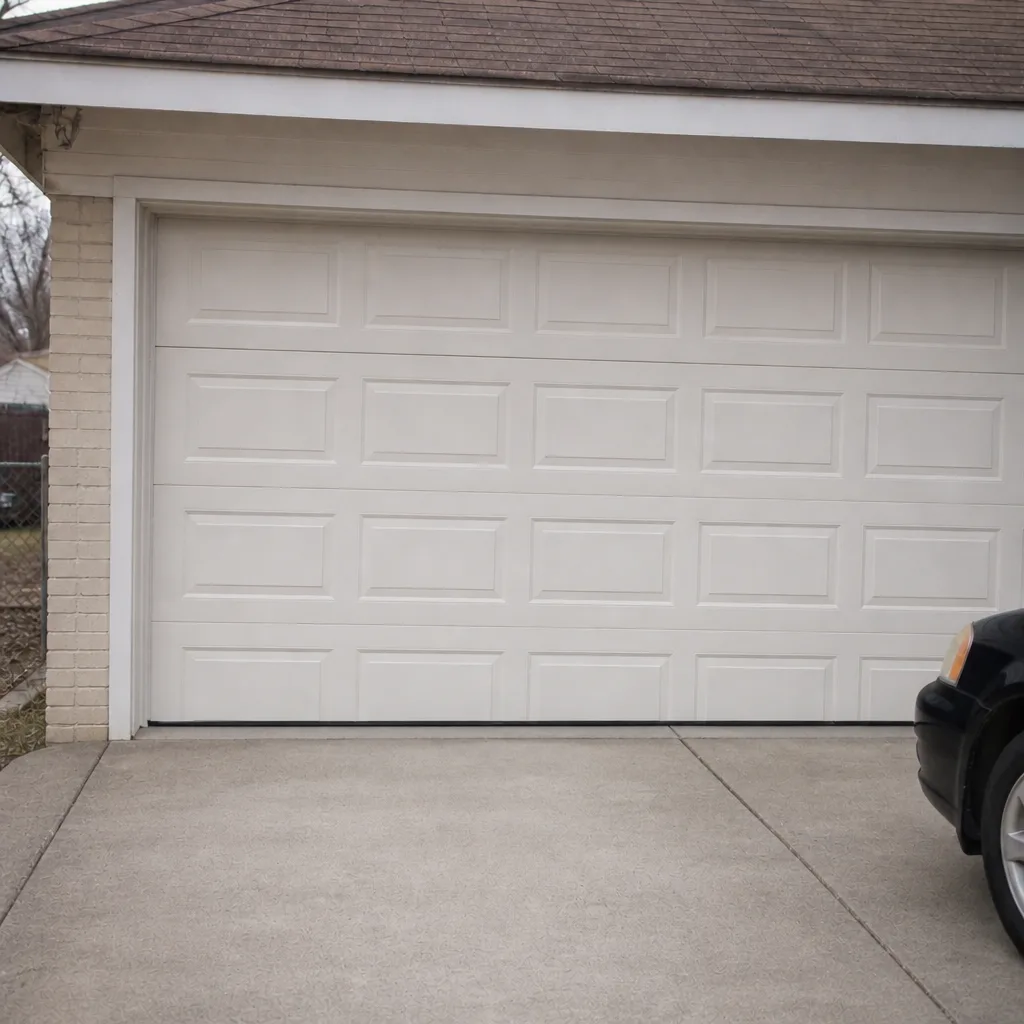
See the difference
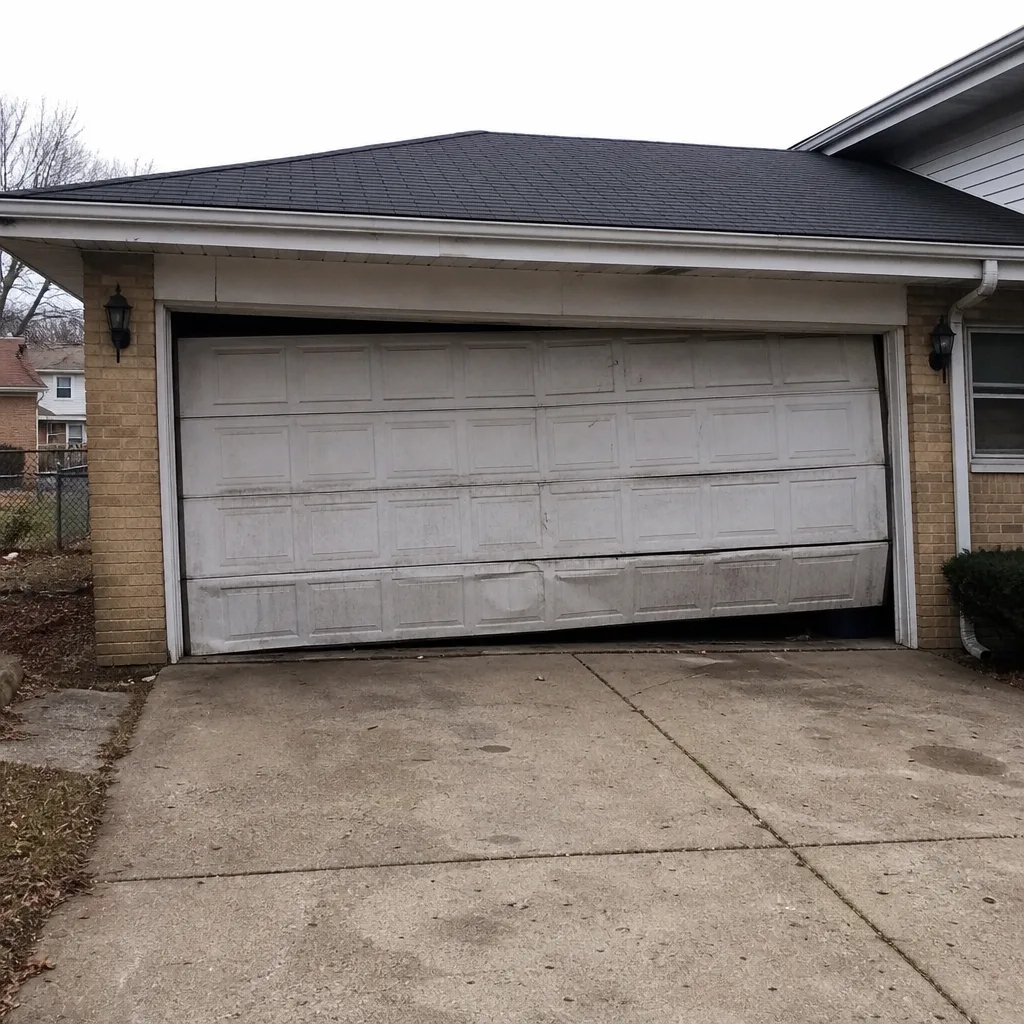 Before
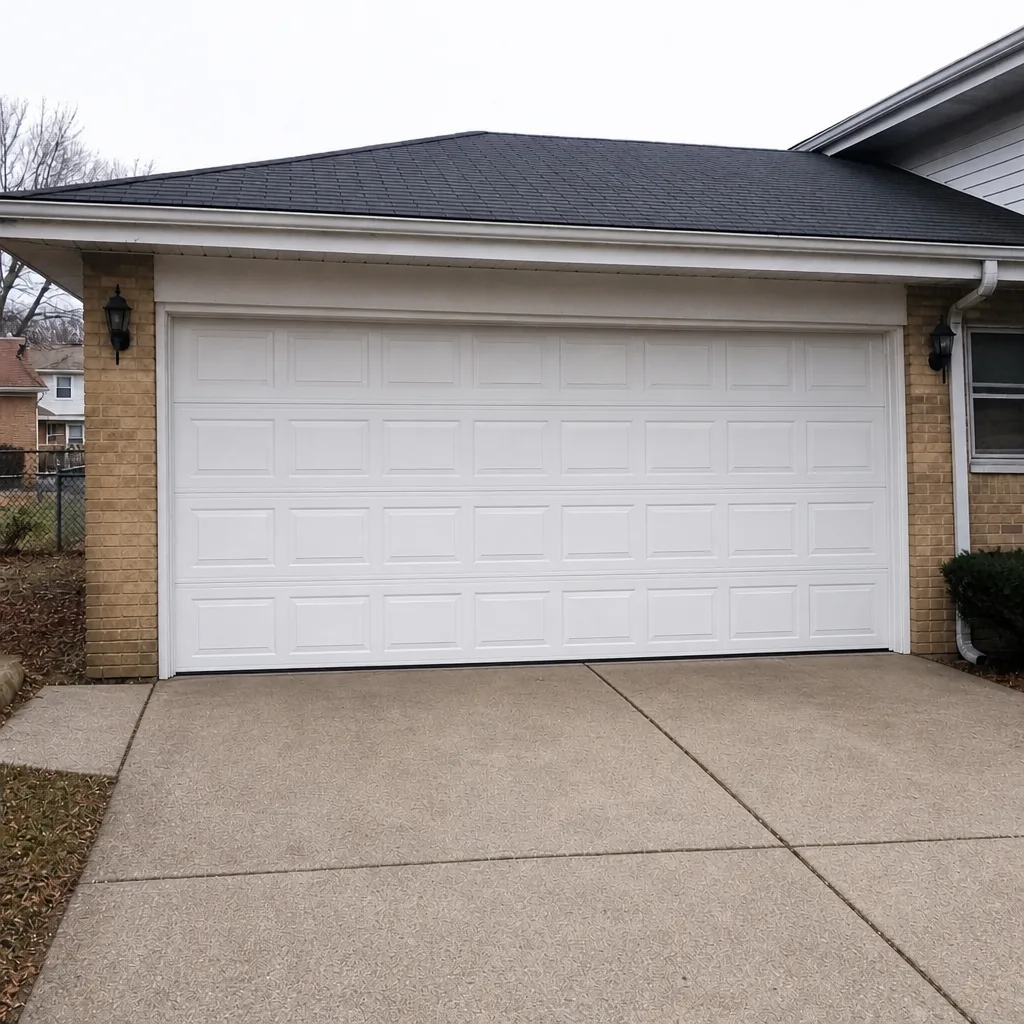 After
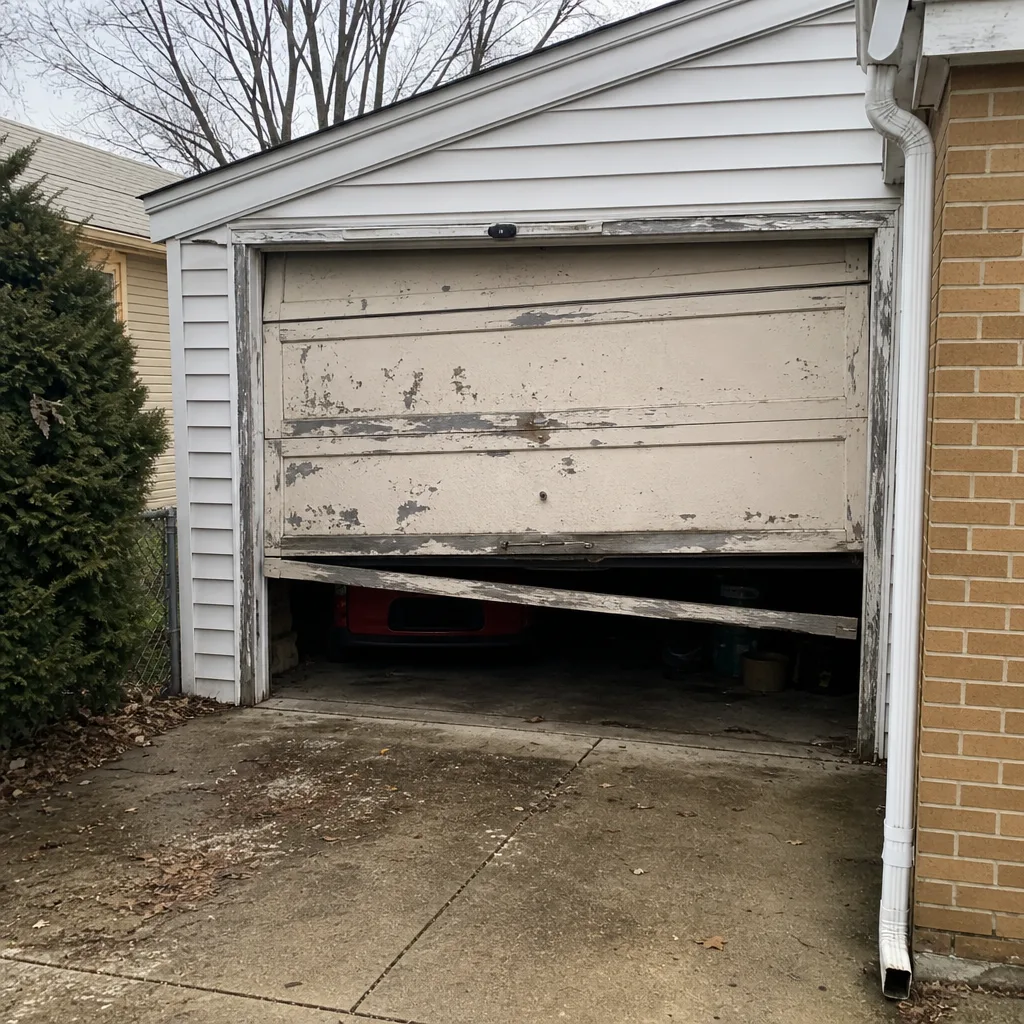 Before
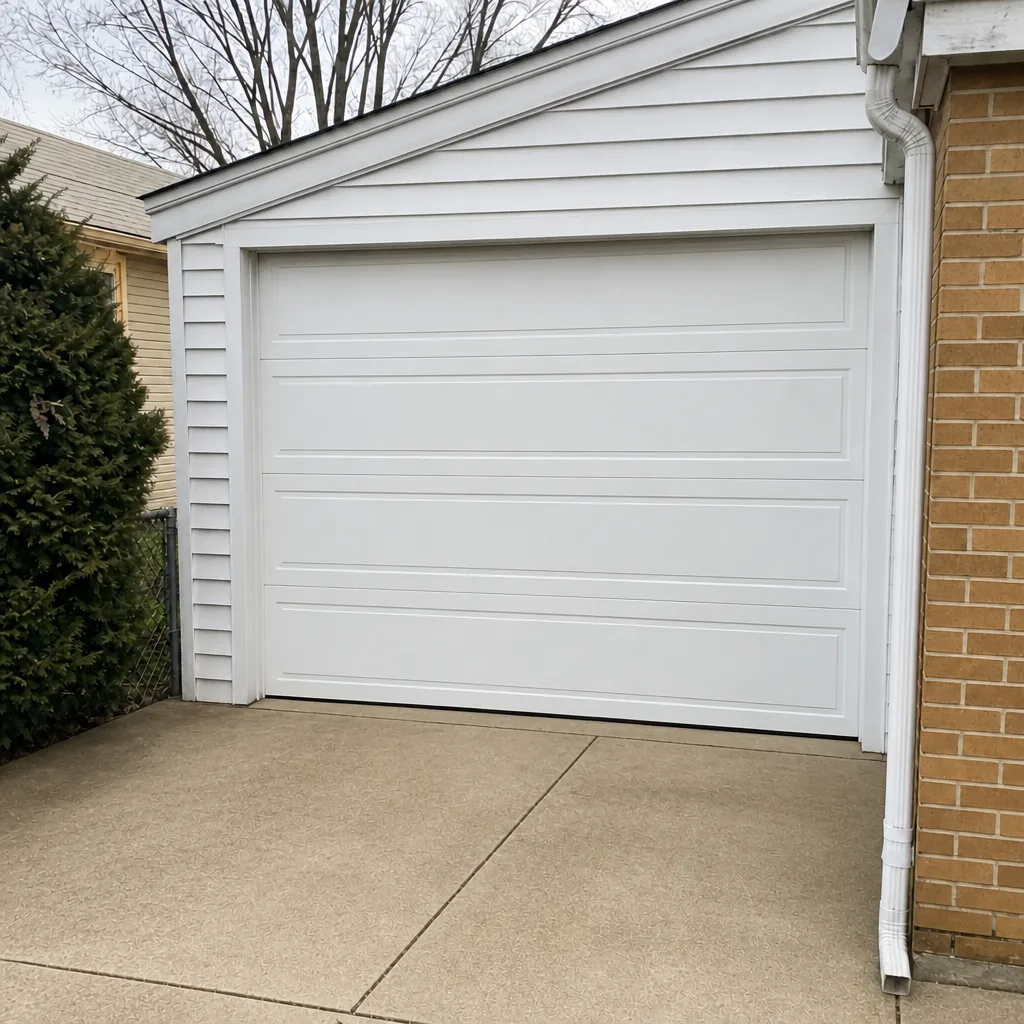 After
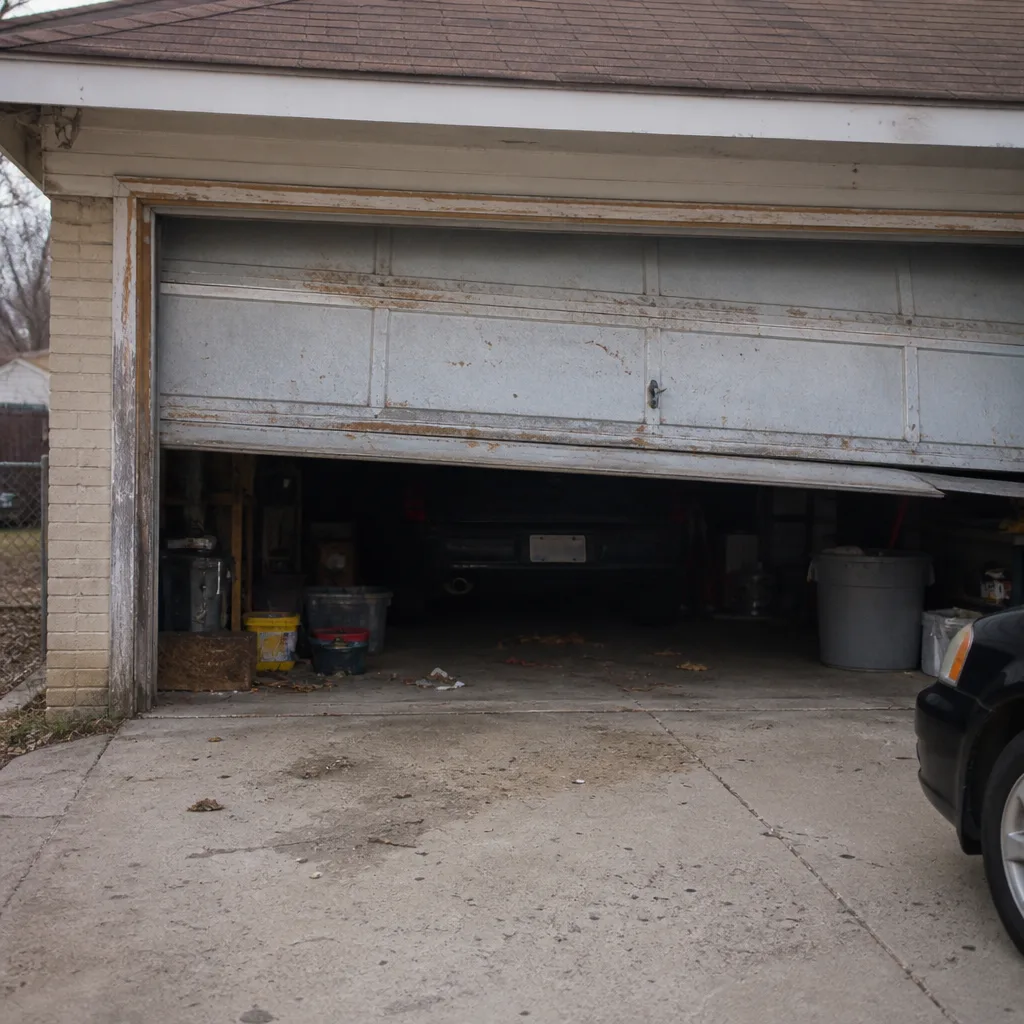 Before
 After
When to Call a Professional
Call a specialist when a spring snaps, when a door comes off its track, when the opener runs but the door doesn’t move, when the door reverses unexpectedly, or when the door is sagging or binding on one side. These are signs of underlying hardware or spring problems that a generalist can’t safely diagnose. For a full installation or a door that’s reached the end of its useful life, a specialist can confirm the correct door, springs, and opener match in one visit. Garage Door Repair Garfield Ridge offers free estimates in Garfield Ridge. Call (877) 492-2475. We answer 24/7. Fast dispatch from 7am to 7pm, Sunday through Friday. Our technicians have up to 11 years of experience, and we work on LiftMaster, Chamberlain, Genie, Clopay, Amarr, Wayne Dalton, Craftsman, and Raynor equipment.
Frequently Asked Questions
Ask three questions: what spring cycle rating they plan to install and why, how they calculate door weight before choosing springs, and which brands they work on regularly. A specialist answers all three with specifics. A generalist changes the subject or gives a vague answer. Call (877) 492-2475 for a free estimate and you’ll hear the difference in the first minute.
Illinois does not issue a single statewide garage door contractor license, so licensing rules can vary by municipality. Call the City of Chicago’s building department or your local authority to confirm what applies to your project. Ask for a certificate of insurance regardless of licensing rules. The local pro you hire should be licensed and insured as their state requires.
It shouldn’t. The written estimate sets the price, and it should be quoted and agreed before any work starts. If the contractor discovers a problem mid-job, the right approach is to stop, explain the issue, and get your approval for any change in writing before proceeding. Call (877) 492-2475 for a free estimate.
An in-stock door can typically be measured, ordered, and installed within a shorter window, while a custom door with a specific size, color, or window pattern takes longer based on manufacturer lead time. Installation itself is typically a day for a standard residential door. Ask for the order and install date in writing.
Spring repair is one of the highest-risk services in this trade, and many generalists decline or outsource it. Torsion springs, cables, and the hardware under tension are dangerous. Use a trained specialist. Call (877) 492-2475 for a free estimate.
The local pro you hire should be licensed and insured as their state requires, and you should ask for a certificate of insurance to confirm it. The certificate should show general liability coverage, the correct named insured, an effective date covering the job, and workers’ compensation coverage if employees are involved.
The Bottom Line
The gap between a good hire and a costly mistake in Garfield Ridge comes down to three questions: can they explain their spring sizing, can they produce a valid certificate of insurance, and will they put the model numbers, spring cycle rating, and timeline in writing? Price is the easiest thing to compare and the least useful. A specialist answers all three without hesitation, and a generalist can’t. If a quote is significantly cheaper than the others, ask why before you accept it. Call (877) 492-2475 for a free estimate from Garage Door Repair Garfield Ridge.
Written by the team at Garage Door Repair Garfield Ridge.