
Last updated November 21, 2026
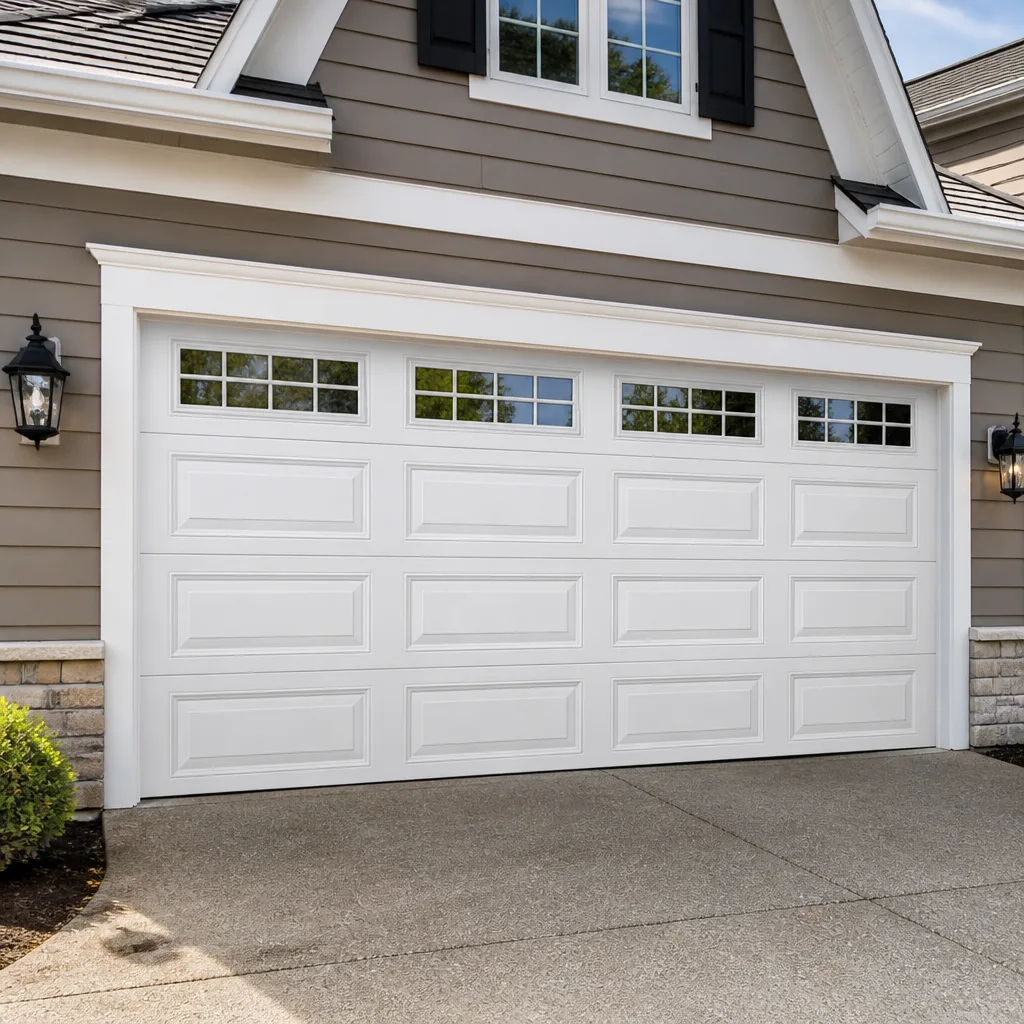 Raised-panel steel
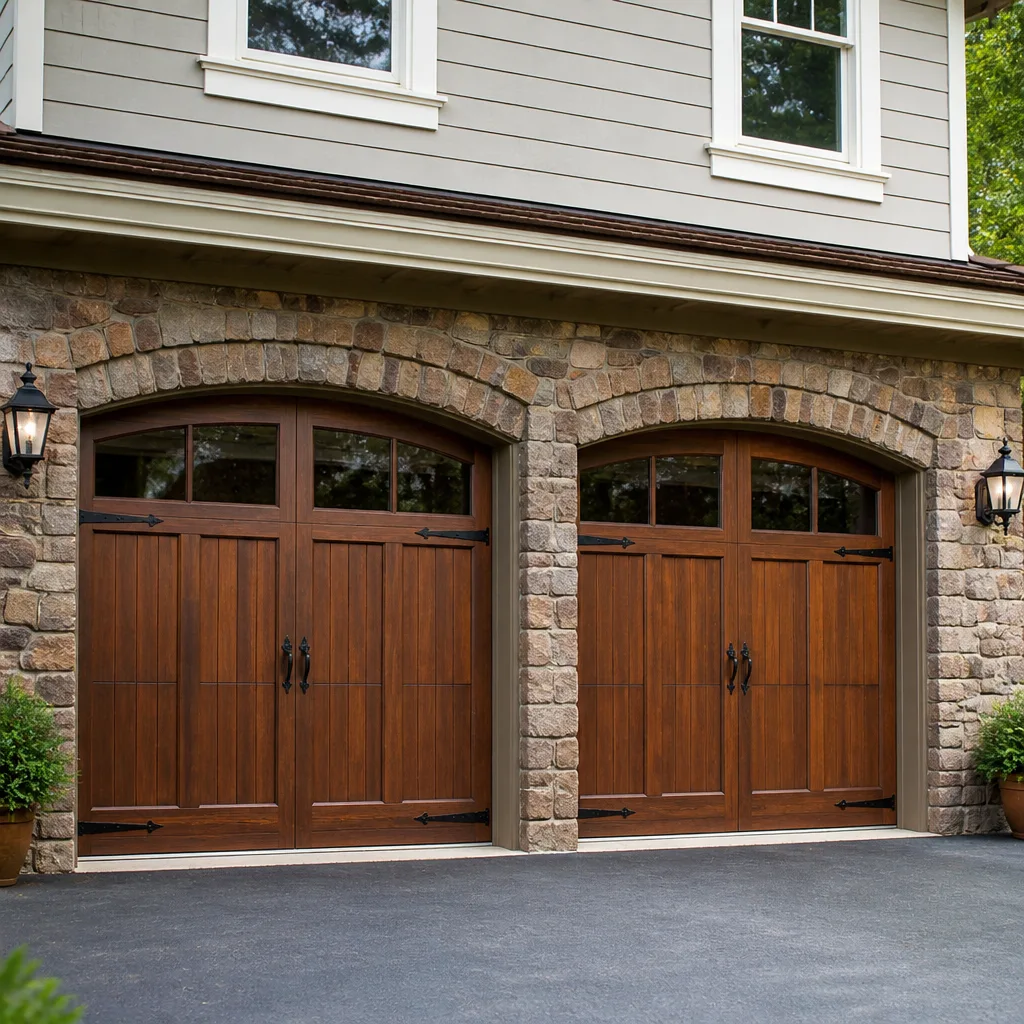 Carriage house
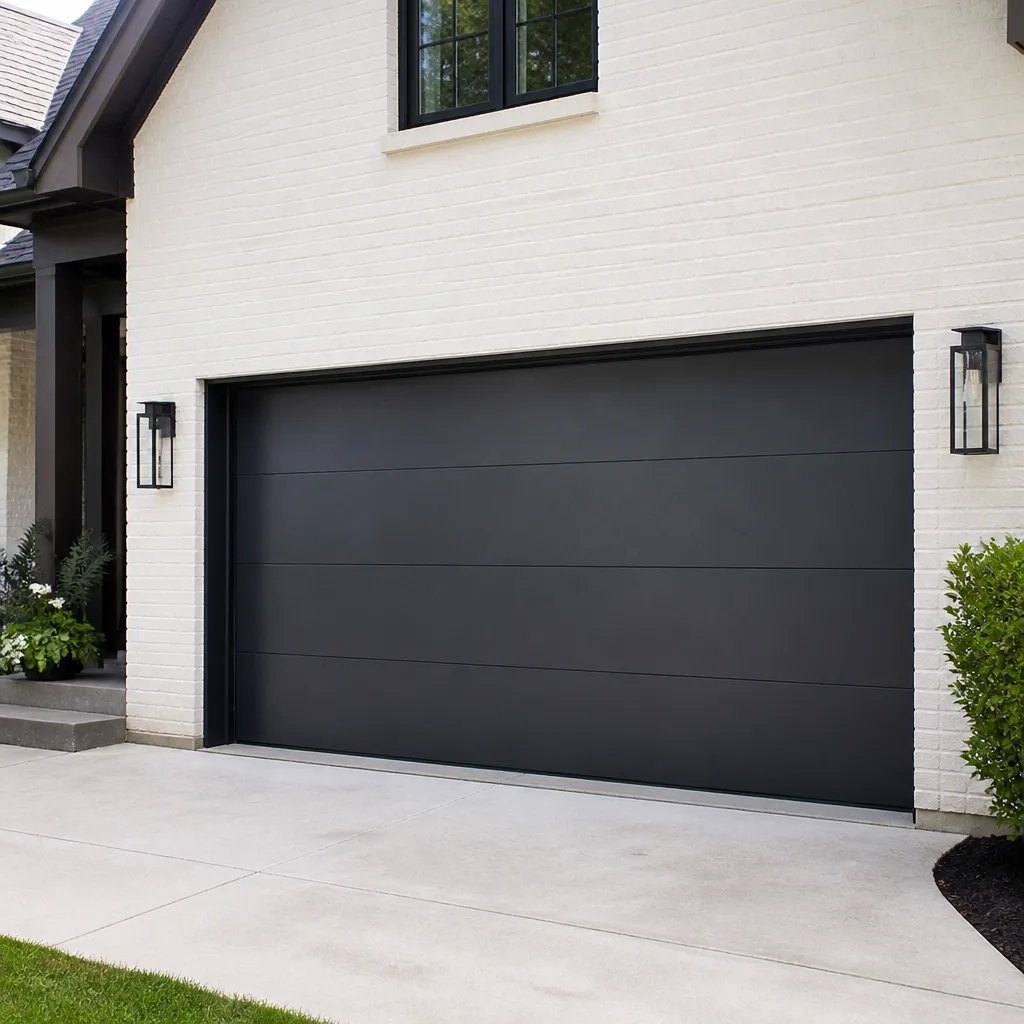 Modern flush
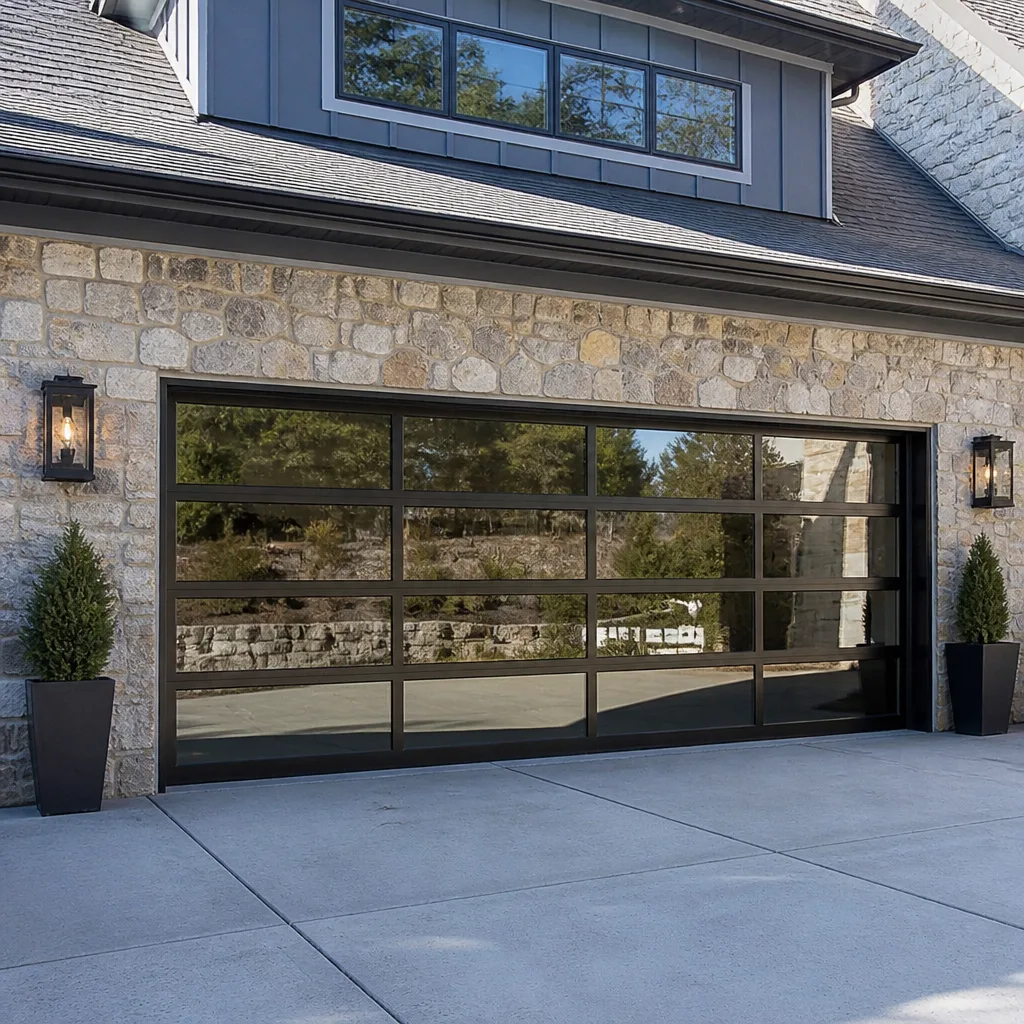 Full-view glass
 LiftMaster openers
 Chamberlain openers
Full 25-point door and opener safety check with every visit - springs, cables, rollers, tracks, and your LiftMaster or Chamberlain opener included
You get a price before we start. It does not change when the pro arrives.
Get your free estimateGarage Door Permits, Codes & Inspections in Garfield Ridge, IL: What You Need to Know
Most people assume a garage door replacement is simple maintenance. Pull the old door, hang a new one, done. In Garfield Ridge and the rest of Cook County, that assumption runs into a definition problem: the moment your project touches the structural header above the opening, or involves an attached garage that shares a wall with the house, it can shift from routine maintenance into an alteration that local building departments want to see on a permit. We’re garage door specialists, not code officials, so we can’t issue your permit or sign off on your inspection. What we can do is tell you what we see from the trade side, which parts of a job usually draw scrutiny, and how to sort out paperwork long after the door is up.
Quick Answer
A garage door replacement in Garfield Ridge usually needs a permit when the work involves the structural header, framing, or the fire-separation wall of an attached garage; a like-for-like swap of a door on existing, sound framing often does not. Inspections typically look at spring type and mounting, opener safety features, and the rating of the door between an attached garage and the living space. Confirm your specific project with the City of Chicago Department of Buildings or Cook County before you order, because the line between maintenance and alteration is the one place homeowners get surprised.
Styles & brands we work with
- Raised-panel steel
- Carriage house
- Modern flush
- Full-view glass
- LiftMaster openers
- Chamberlain openers
Table of Contents
- Where Illinois Draws the Line Between Maintenance and Alteration
- Garfield Ridge’s Code Jurisdiction, Explained Practically
- What an Inspector Actually Looks At
- Fire Separation Doors for Attached Garages in Illinois
- How to Permit Work That Was Already Done
- How the Chicago Climate Affects Door Wear and Code Wear
- What Permit-Related Costs Look Like in Garfield Ridge
- Common Mistakes to Avoid
Where Illinois Draws the Line Between Maintenance and Alteration
This is the question that decides whether you need paperwork at all, and it has almost nothing to do with the door itself. It’s about what you’re attaching the door to.
A straight replacement means the new door bolts to the same track, the same brackets, and the same sound wood in the header. Same rough opening, same position, no cutting. In most jurisdictions that reads as maintenance, and maintenance is generally permit-exempt. A garage door installation that changes the opening size, moves the tracks outward, replaces rot-damaged framing, or reinforces a sagging header is an alteration. Alterations touch the structure of the building, and that’s what permits exist to document.
What counts as structural work
- Replacing or sistering the header beam over the garage opening
- Cutting, widening, or raising the rough opening
- Repairing or replacing rot in the jambs or the framing behind them
- Changing the door from a single to a double, or changing the header to carry a heavier door
- Any work on the wall that separates an attached garage from the house
What usually doesn’t
- Swapping a door of identical size into existing, sound framing
- Replacing torsion or extension springs, cables, rollers, drums, or hinges
- Opener replacement on existing wiring and existing mounting
- Adjusting travel limits, force settings, or the safety reverse
One caveat: municipal rules vary, and even a like-for-like swap can require a permit in some jurisdictions if the door assembly is rated for fire separation. When in doubt, the call to your building department is free and takes ten minutes. That call is cheaper than finding out at closing.
Garfield Ridge’s Code Jurisdiction, Explained Practically
Garfield Ridge is one of Chicago’s southwest side community areas, and that geography matters for permits. The neighborhood sits in Cook County and falls under the City of Chicago’s building code framework for most residential construction and alteration work. In practice, that means garage door work with a structural component usually runs through the City of Chicago Department of Buildings rather than a separate village hall, and inspections are scheduled through the city’s process rather than a suburban one.
For homeowners near the neighborhood’s western and southern edges, the picture gets a little murkier. Garage door projects close to a municipal boundary can sometimes touch a neighboring jurisdiction’s rules, especially where a property sits on an unincorporated pocket of Cook County. We’re not going to tell you we speak for the city or the county – we don’t, and we can’t. What we can tell you is what matters practically:
- Confirm jurisdiction before you apply. Check your property’s official address with the county or city first. A permit application filed with the wrong office just comes back.
- Get the requirement in writing. If a clerk tells you over the phone that you don’t need a permit, ask for an email confirming it and keep it with your home records. That piece of paper is your protection years later.
- Ask specifically about fire-separation. Because Garfield Ridge is a neighborhood of tightly packed homes, most garages here are attached or nearly attached. That changes which parts of the door assembly are code-relevant.
- Check for an alley-side easement. Many Garfield Ridge properties have rear-loading garages off an alley. If the door faces a right-of-way the city controls, the scope of approved work can be narrower than a front-loading garage across town.
The practical takeaway is that Garfield Ridge doesn’t have a special garage door code of its own. It inherits Chicago’s and Cook County’s. That’s good news, because both are well documented and both have staff who will answer questions directly.
What an Inspector Actually Looks At
If your project does require an inspection, the inspection is rarely about whether the door looks nice. It’s about whether the assembly is safe and whether the parts that separate the garage from the house still do their job. Here’s what typically draws attention.
1. Spring type and mounting
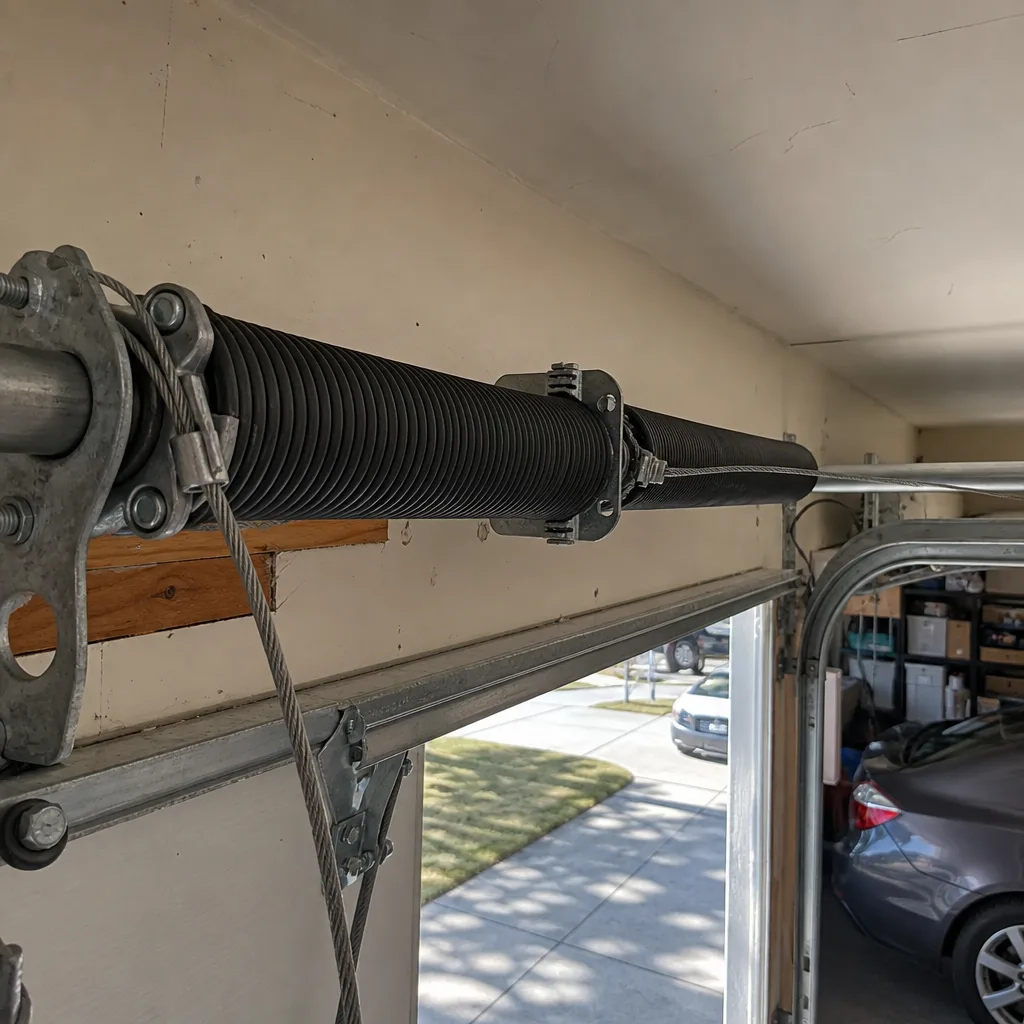
Inspectors look at whether the springs are properly secured and whether the mounting hardware is intact. Torsion springs on a center shaft and extension springs along the horizontal tracks are both common in Garfield Ridge, and older homes here lean toward extension springs that may not have a containment cable. Modern safety practice requires a cable run through the spring to contain it if it breaks. If your garage has an unsecured extension spring, that’s not just an inspection item – it’s a genuine hazard, and it’s the reason spring work belongs with a trained technician rather than a homeowner with a wrench.
Our technicians have up to 11 years of experience with both torsion and extension systems, and we’ll tell you plainly: high-tension springs and the cables under load are the most dangerous parts of the entire door. Don’t cut, loosen, or remove them yourself.
2. Opener safety features
Inspectors verify that the opener has working safety reverse and, on modern openers, a functioning photo-eye system. If the door doesn’t reverse when it meets an obstruction in the closing direction, that’s a fail. This is also the most common thing that quietly quits between inspections – a misaligned photo eye is often the whole reason a door won’t close. You can read more about that specific failure mode on our garage door opener repair page.
3. Fire-separation compliance
For attached garages, inspectors check the door between the garage and the house, not the overhead door. That’s covered in the next section.
4. Hardware and fasteners
Loose brackets, missing bolts, and worn rollers all get noted. They’re minor individually, but they suggest a system that’s been neglected, and that’s the pattern an inspector flags.
Fire Separation Doors for Attached Garages in Illinois
Here’s the code requirement most Garfield Ridge homeowners have never heard of. If your garage is attached to the house, the door between the two isn’t just an interior door. It’s a fire separation door, and Illinois code generally requires it to have at least a 20-minute fire rating.
Why it matters: a garage is the most likely place for a fire to start – fuel, vehicles, stored chemicals, and battery chargers all live there. That door is the barrier between a garage fire and the bedrooms. Twenty minutes isn’t a huge window, but it’s usually enough time for a family to get out and for the fire department to arrive at a Garfield Ridge address.
Doors that satisfy the 20-minute rule
- Solid wood doors at the required thickness, in good condition
- Solid core doors built to a fire-rated specification
- Hollow metal doors with a fire-rated label
- Labeled fire doors carrying a rating from a recognized testing agency
What fails the rule
- Hollow core interior doors – no rating, no protection
- Doors with glass that isn’t fire-rated
- A rated door that’s been cut down or had holes drilled through it
- A rated door hung on a cheap, non-self-closing hinge set, or propped open with a wedge
A common scenario we see: a homeowner replaces a worn interior door on the garage wall with a standard hollow-core door because it was cheaper. That door technically fails the separation requirement, and if the project required a permit, an inspector will catch it. If you’re having a new overhead door installed into an attached garage, it’s worth having the fire separation door checked at the same time. It’s the detail nobody asks about until it matters.
How to Permit Work That Was Already Done
Maybe the door went in years ago and nobody asked about a permit. Maybe a prior owner did it. Maybe you’re now selling the house and the buyer’s inspector noticed. This situation is common, and it is fixable. It’s called retroactive permitting, and while it takes time, it’s much less stressful than the alternative during a closing.
Here is the typical sequence for retroactive permitting in Cook County and Chicago. Your jurisdiction may vary, so confirm each step with your building department.
- Start with the department, not a contractor. Call the City of Chicago Department of Buildings or Cook County and tell them exactly what you want to accomplish: you’re permitting existing work. Ask what forms and drawings they require for a garage door alteration.
- Gather evidence of what was installed. Photos of the door, track, and header; the door’s spec sheet or model number; and any receipts you can find. If the door is a Clopay or Amarr model, the manufacturer’s documentation is usually easy to pull because the model is stamped or labeled on the door itself.
- File the permit application. In most cases, a licensed contractor is required to pull an alteration permit. If the original installer is still available, that’s your cleanest path. If not, a licensed contractor can usually take over the permit.
- Expect an inspection. The inspector will assess the assembly as it stands now, including structural integrity of the header and the fire separation door. This is where old shortcuts show up. If the door is sound and the fire separation is right, it passes.
- Address any corrections. If the inspector flags something, you get a chance to fix it and get re-inspected. Correctable items are normal – loose hardware, a missing containment cable on an extension spring, a failed safety reverse.
- Close the permit. Once it’s signed off, you have documentation that the work is legally permitted. If you and the buyer are sitting at a closing that fell apart over an unpermitted door, this is the letter that restarts the deal.
What triggers retroactive permitting?
The most common trigger is a real estate transaction – either a buyer’s inspector or an appraiser raising the question. Other triggers include a homeowner’s insurance inspection after a claim, a neighbor complaint, or a planned future addition that requires pulling records for the entire property.
How the Chicago Climate Affects Door Wear and Code Wear
Chicago’s freeze-thaw cycles and heavy summer storms put more stress on a garage door than most people expect, and that stress intersects with permits in a way that isn’t obvious.
Winter temperature swings expand and contract the spring steel in a torsion or extension system. Every cycle pushes the springs closer to their fatigue limit, and in a neighborhood like Garfield Ridge, where many doors see multiple open-close cycles a day, that limit gets reached sooner than in a milder climate. Cold also stiffens the grease on rollers, adding drag that the opener has to overcome. You’ll notice the effect in a door that seems sluggish in January and fine again in May.
What this means for code compliance
- Inspection timing matters. If you’re scheduling an inspection, don’t do it after a cold snap that revealed a failing spring. Fix the spring first, then inspect. An inspector who sees a door that won’t hold open will flag it, and you’ll pay for a re-inspection.
- Spring lifespan is shorter here. In our experience, springs in the Chicago area typically see full fatigue cycles on a compressed timeline compared to milder climates. That’s not a code issue but it’s a maintenance reality, and it’s why we treat spring work as front-line service.
- Weather sealing counts. A door that lets water into the garage in a storm can degrade the framing around the opening over time. Once the framing is soft, a future replacement crosses into structural work and permit territory. Good weatherstripping keeps a maintenance job a maintenance job.
Photo-eye alignment also drifts in extreme cold. A sun-faded or frosted lens on the safety reverse sensor is one of the most common reasons a door won’t close in a cold snap. If your door quits in January, check the sensors before assuming the opener is failing. If you’d rather just have it diagnosed, that’s a routine visit for us.
What Permit-Related Costs Look Like in Garfield Ridge
We can’t quote permit fees on behalf of the City of Chicago – those are set by the department and vary with project valuation. What we can give you is a sense of the door-side pricing that usually accompanies the permit question, so you can budget the whole project rather than just the door.
| Item | Typical estimated range | Notes |
|---|---|---|
| Spring repair (single spring) | $180 – $340 | One spring. A matched pair is usually replaced together, so a pair runs about twice that. |
| Torsion spring conversion (from extension) | $350 – $650 | Adds a center shaft and drums; worth discussing if the door is older. |
| Opener replacement | $350 – $650 | Existing wiring and mounting; brand varies (Genie, LiftMaster, etc.). |
| Like-for-like door replacement (no structural work) | $900 – $2,400 | Single-car, standard size; does not usually require a permit. |
| Door replacement with header or framing repair | $2,000 – $4,500 | Structural work typically triggers a permit. Confirm with the building department. |
| Fire-rated service door (20-minute rating) | $400 – $900 | Labeled door plus rated hardware and self-closing hinges. |
These are typical estimated ranges for the door work itself and don’t include the permit fee, which the city sets separately. The written estimate sets the final price for anything we do. The price is quoted and agreed before any work starts, so the number you approve is the number on the invoice.
If the door-side work is what you need to budget for, our garage door repair page covers what each common repair involves, and our main Garage Door Repair Garfield Ridge page has an overview of everything we handle, from spring repair to full installations.
Common Mistakes to Avoid
- Assuming any garage door swap is maintenance. If the header or framing is touched, it’s an alteration. The permit threshold follows the structure, not the door. Ask the building department about your specific scope before you order.
- Replacing the fire-separation door with a hollow-core door. It looks fine and it fails the 20-minute rating. An attached garage in Garfield Ridge needs a rated door on the wall between the garage and the house.
- Not keeping the paper trail. A verbal “you don’t need a permit” isn’t documentation. Get it in writing and keep it with your home records. It’s the single cheapest thing you can do for your future sale.
- Skipping the containment cable on older extension springs. A significant number of homes here still have uncontained extension springs. Adding a cable is inexpensive; a broken spring that liberates across the garage isn’t.
- Ignoring photo-eye alignment until the inspection. A misaligned sensor is the most common reason a door won’t close, and it’s the first thing that fails an inspection. Check the sensors whenever the door behaves oddly.
- Pulling a permit without a licensed contractor when one is required. Filing an alteration permit yourself when the jurisdiction requires a licensed contractor wastes weeks. Confirm the rule before you file.
- Waiting until closing to sort out unpermitted work. If you think a prior owner may have replaced the door without a permit, start the retroactive process now, not during a transaction. Time is the thing you don’t have during a closing.
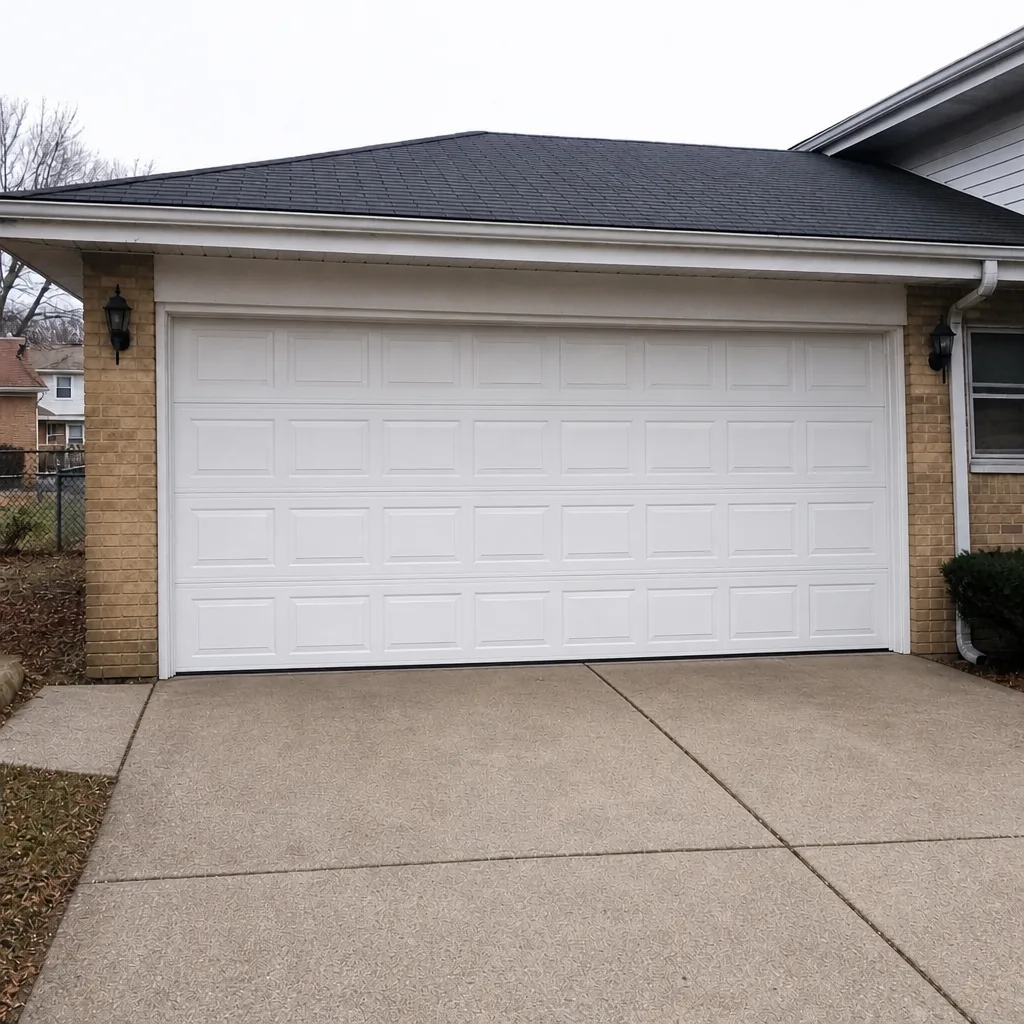
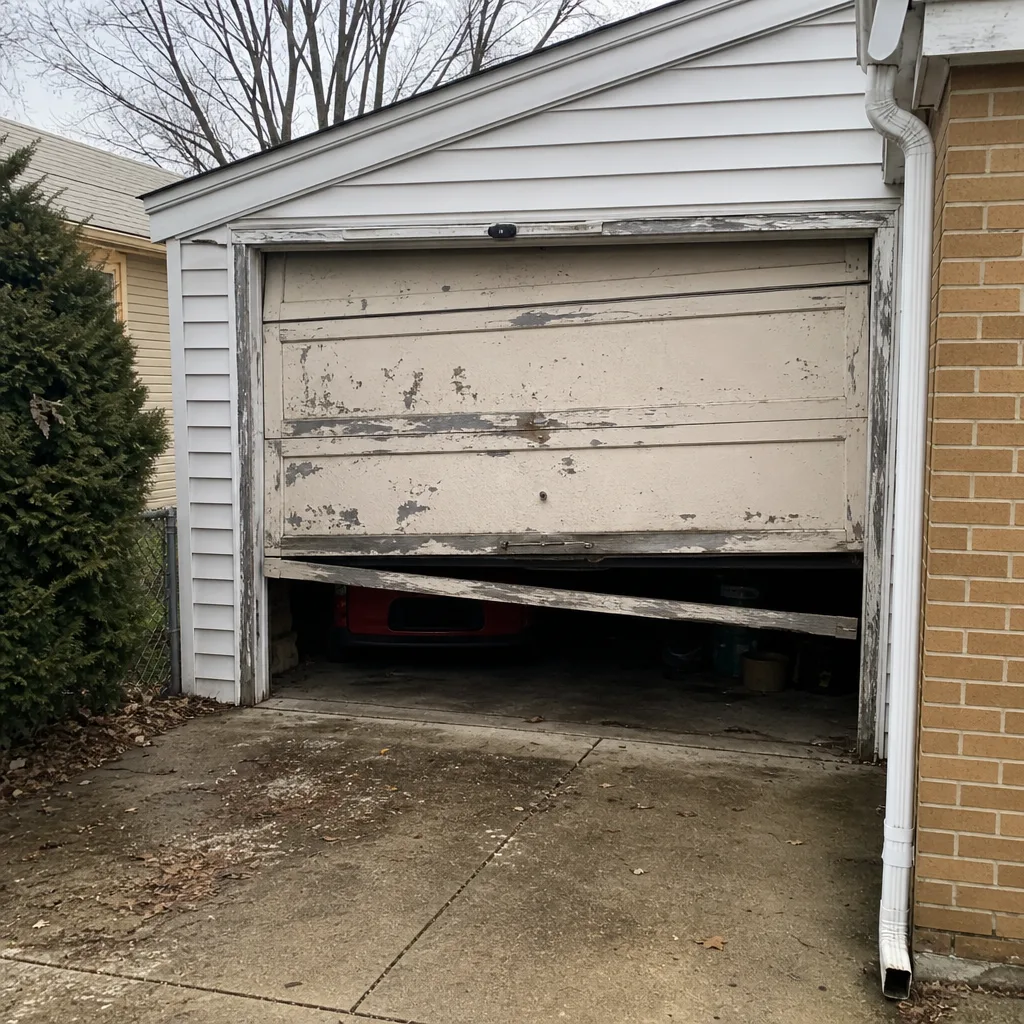
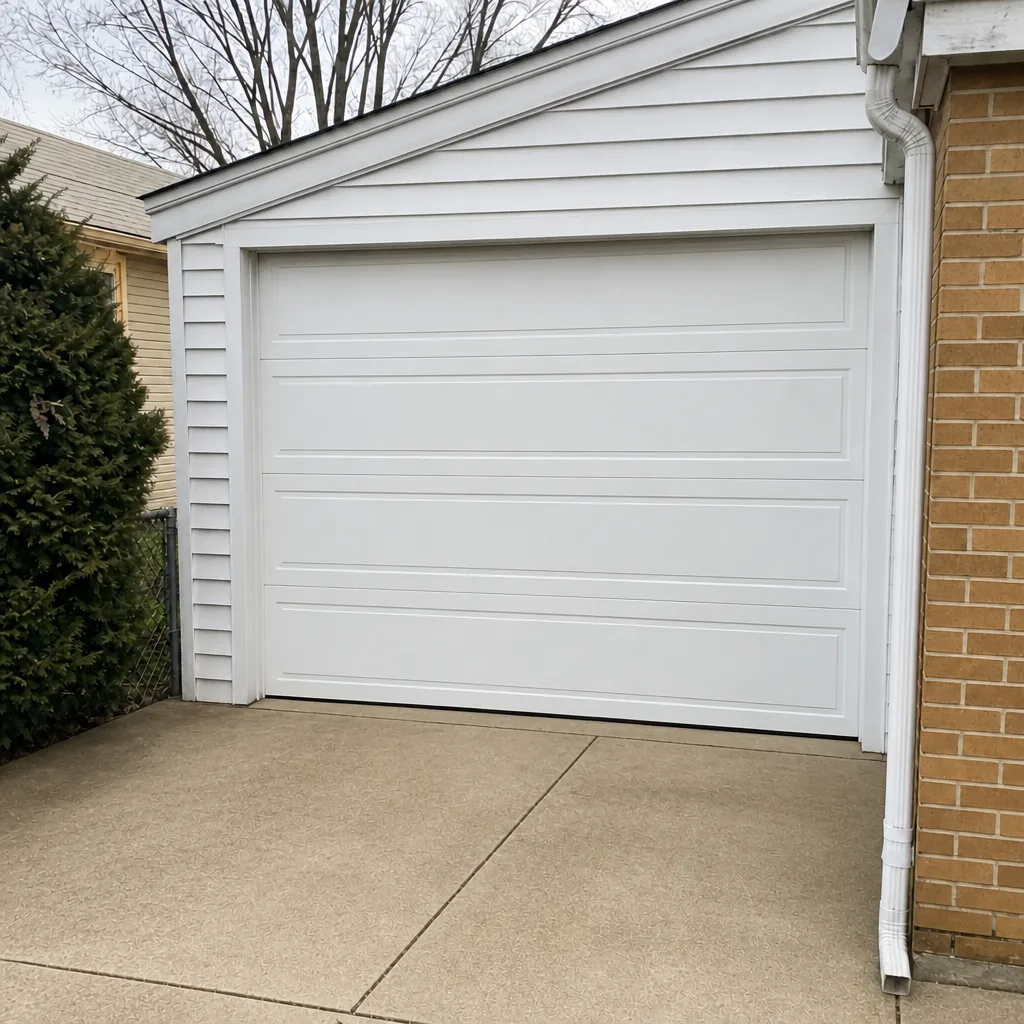
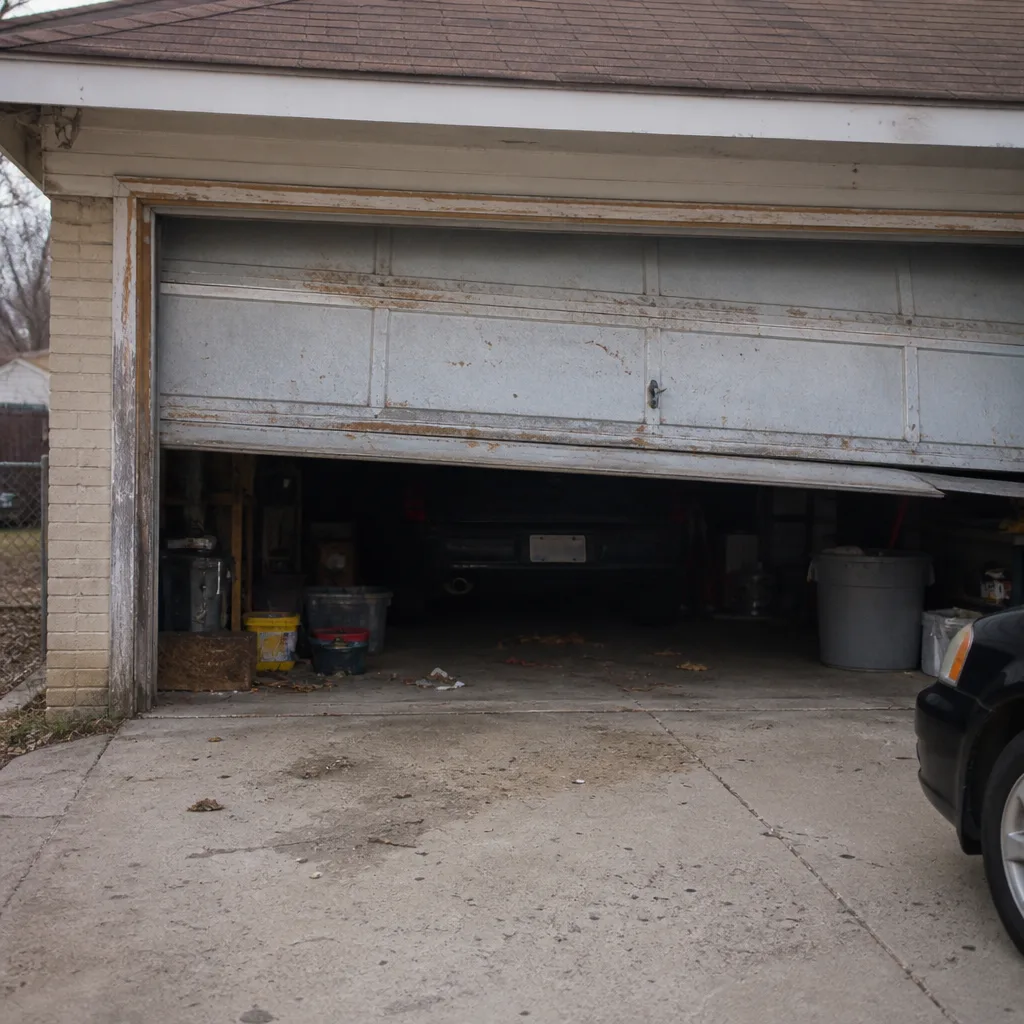
See the difference
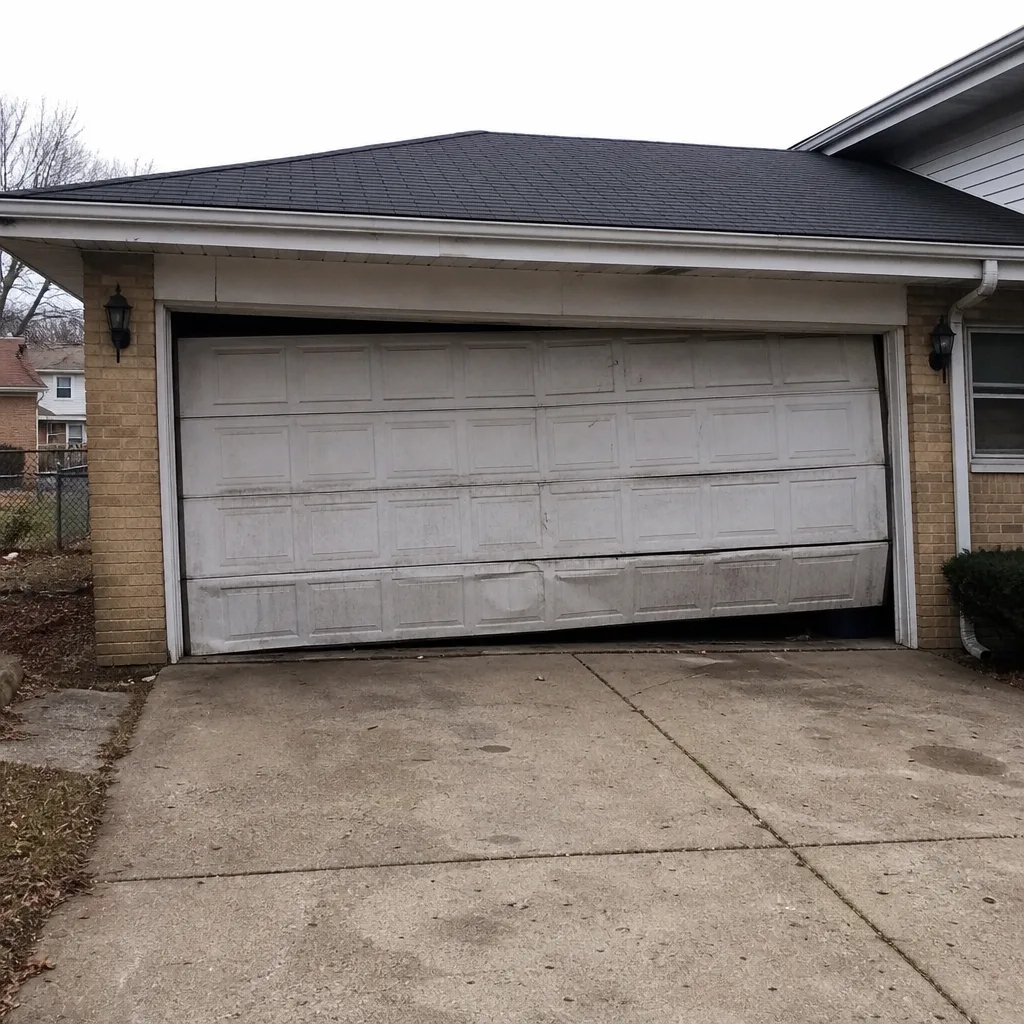 Before
 After
 Before
 After
 Before
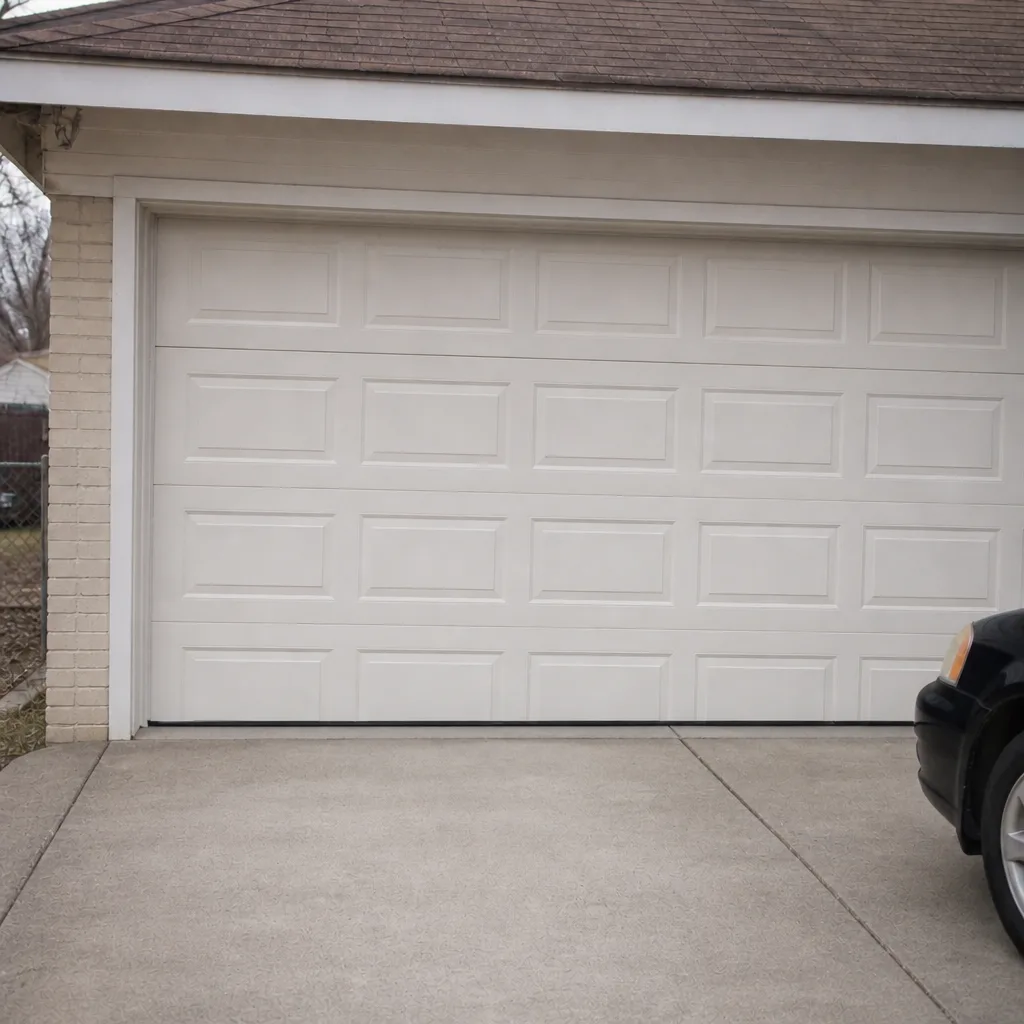 After
When to Call a Professional
A few situations are worth a call rather than a weekend of trying to sort it out. If the door is going up crooked, won’t stay closed, or reverses for no obvious reason, an opener is often the cheapest fix – but a trained eye should confirm it before you buy a replacement. If the door is on an uncontained extension spring, that’s the single biggest safety item on the list and shouldn’t wait. If you’re planning any replacement, we can do a free measure and give you a written price for the door side of the project so you know exactly what to submit with your permit paperwork. Garage Door Repair Garfield Ridge offers free estimates in Garfield Ridge – call (877) 492-2475. We work on the brand you already have, whether it’s Genie, Clopay, Amarr, or Wayne Dalton.
Our technicians have up to 11 years of experience, and garage doors are all we do. Fast diagnosis, lasting fix. The right part, the right repair.
Frequently Asked Questions
It depends on whether the work touches the structure. A like-for-like replacement into existing, sound framing typically doesn’t require a permit. A replacement that involves header or framing repair, or that alters the opening size, typically does. Confirm with the City of Chicago Department of Buildings or Cook County for your specific address before ordering. Call (877) 492-2475 for an exact quote on the door work – estimates are free.
Spring repair typically runs $180 to $340 for one spring. A matched pair is usually replaced together, so a pair costs about twice that. The written estimate sets the final price, and it’s quoted and agreed before any work starts. Call (877) 492-2475 for an exact quote – estimates are free.
Illinois code generally requires at least a 20-minute fire rating on the door separating an attached garage from the living space. Solid wood, solid core, hollow metal, and labeled fire doors can all satisfy the rule depending on the specification. Hollow core interior doors do not. Confirm the specific requirement with your local building department.
Yes, in most cases. Retroactive permitting starts with a call to the City of Chicago Department of Buildings or Cook County to confirm the process, then filing an application (usually through a licensed contractor), then an inspection of the work as it stands. The process is routine and it’s the right move if you’re facing a real estate transaction. Call (877) 492-2475 if you need a contractor to walk the door with you first – estimates are free.
For repair calls, yes – same-day service is often possible. We answer 24/7. Fast dispatch from 7am to 7pm. A call outside dispatch hours is booked into the next opening, Sunday through Friday, 7am to 7pm. Installation work is measured and scheduled rather than same-day.
No. The written estimate sets the final price, and the price is quoted and agreed before any work starts. If we find something unexpected once we’re on-site, we stop and quote the additional work rather than doing it and billing you. Call (877) 492-2475 for an exact quote – estimates are free.
The Bottom Line
The garage door permit question in Garfield Ridge comes down to one thing: does your project touch the structure? A like-for-like swap into sound framing is typically maintenance. Structural header work, framing repair, or alterations to an attached garage wall typically cross into permit territory. The fire-separation door with its 20-minute rating is the detail most homeowners miss, and it’s the one that shows up during a sale. If work was done without a permit, the retroactive process is straightforward and worth starting before a transaction forces it. Get requirements in writing, keep the records, and connect to the professional side of that conversation – a fast measure, a written price, and no surprises. We work on the brand you already have. Garage doors are all we do. Call us today for a free estimate.
Written by the team at Garage Door Repair Garfield Ridge.