
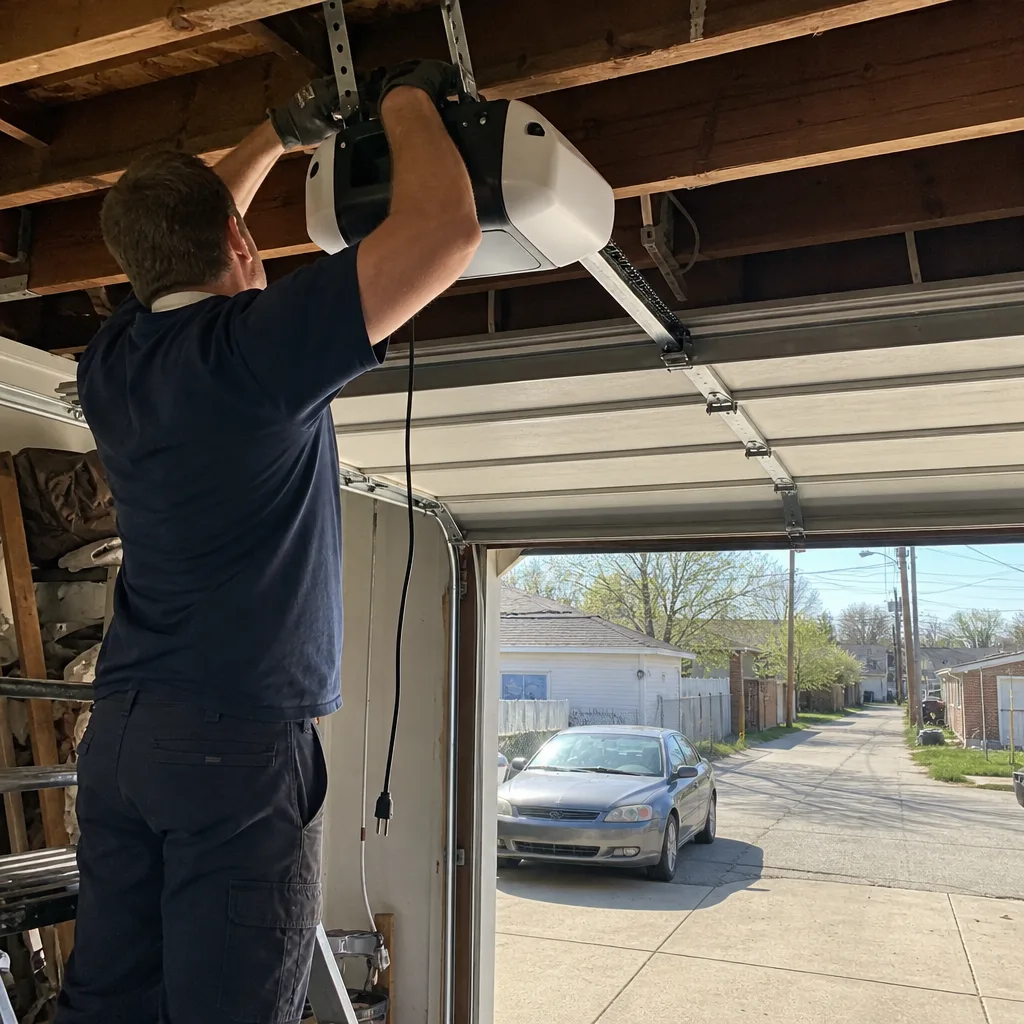
Last updated November 21, 2026
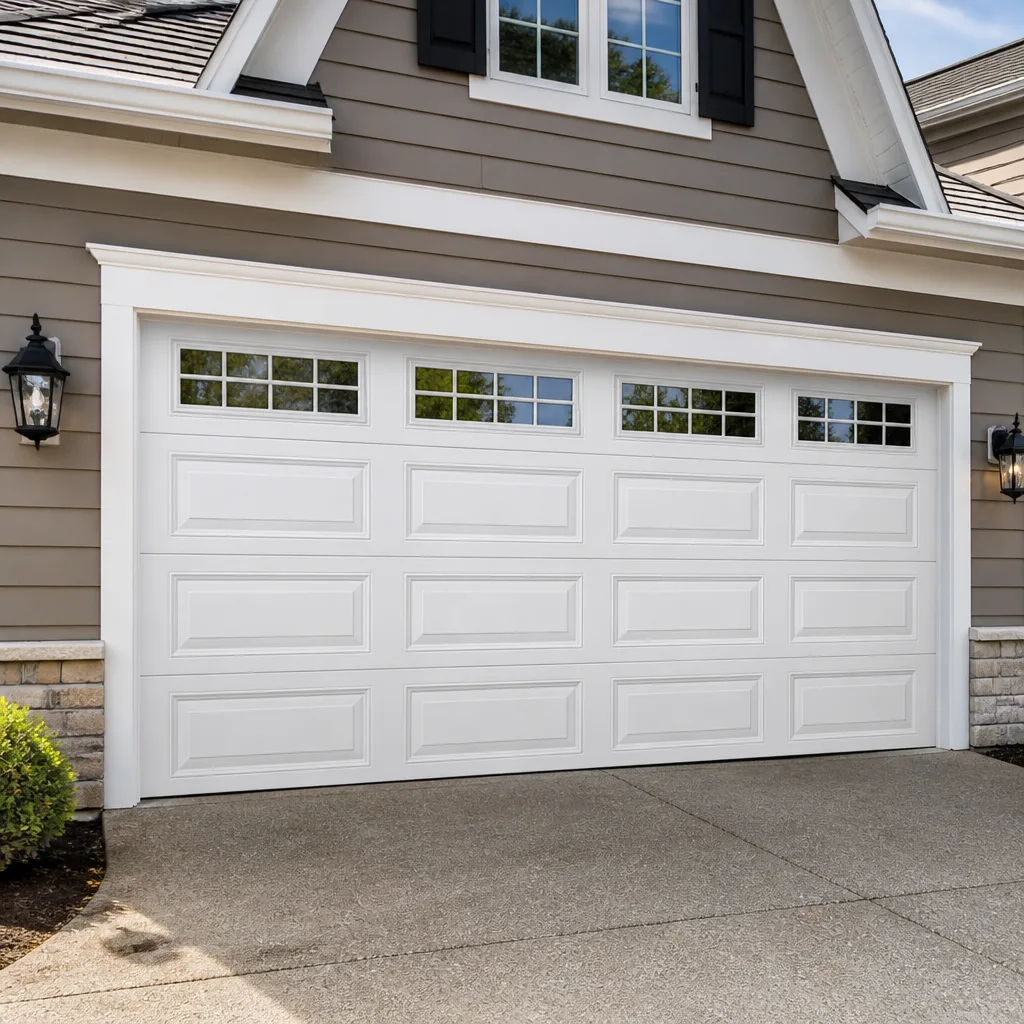 Raised-panel steel
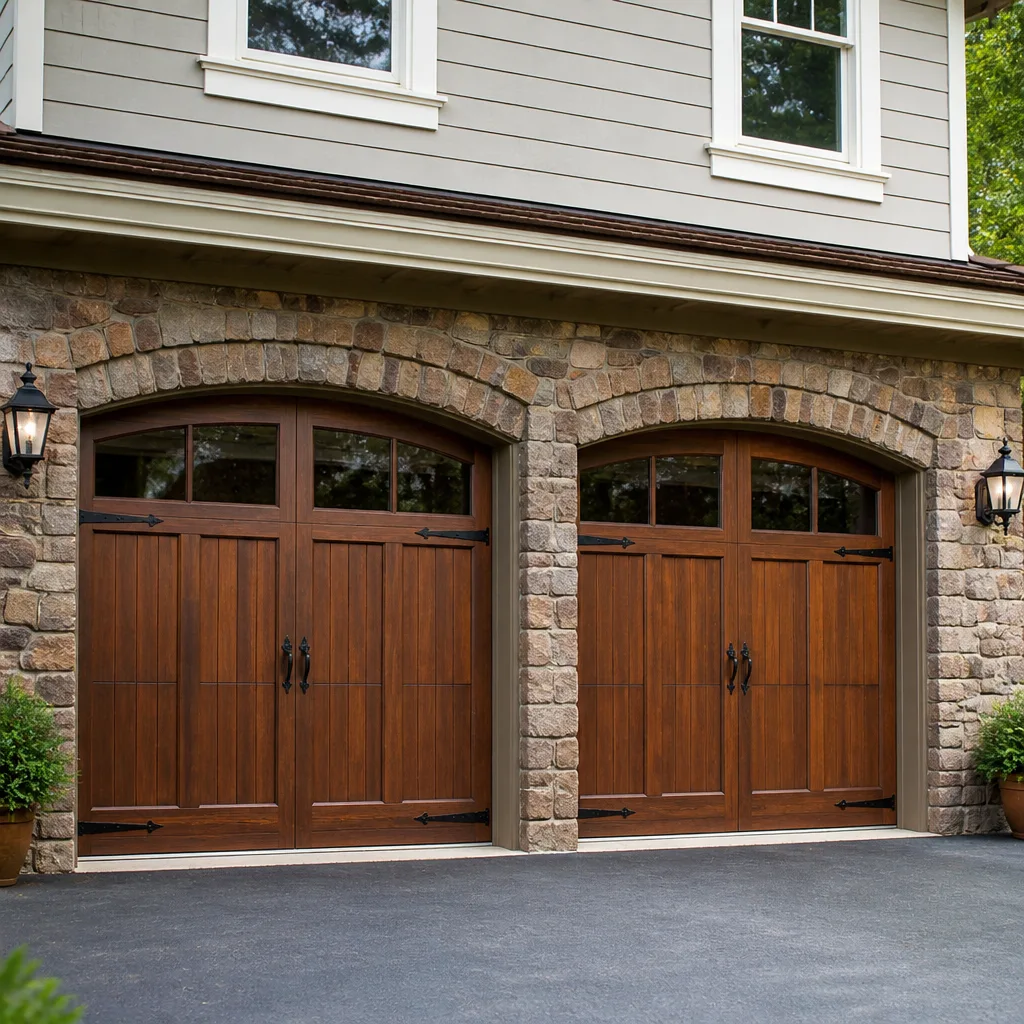 Carriage house
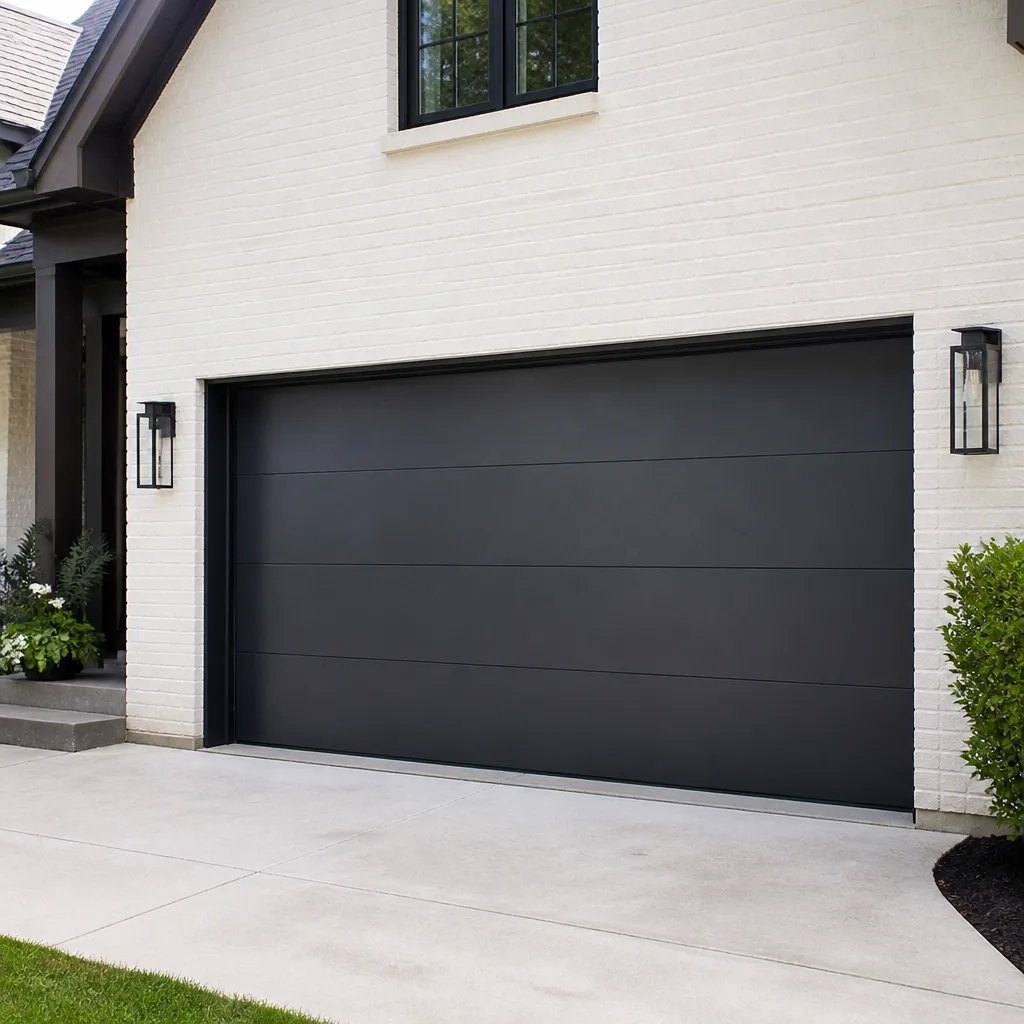 Modern flush
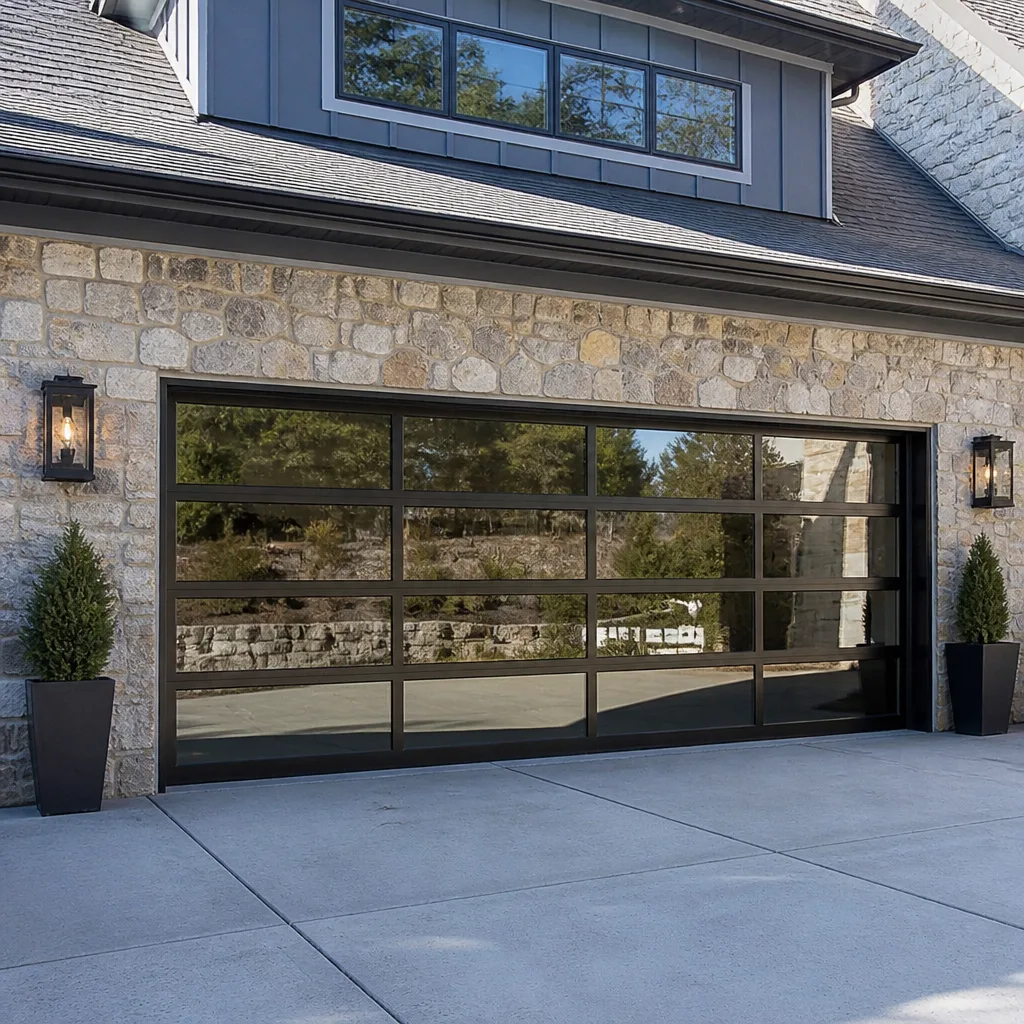 Full-view glass
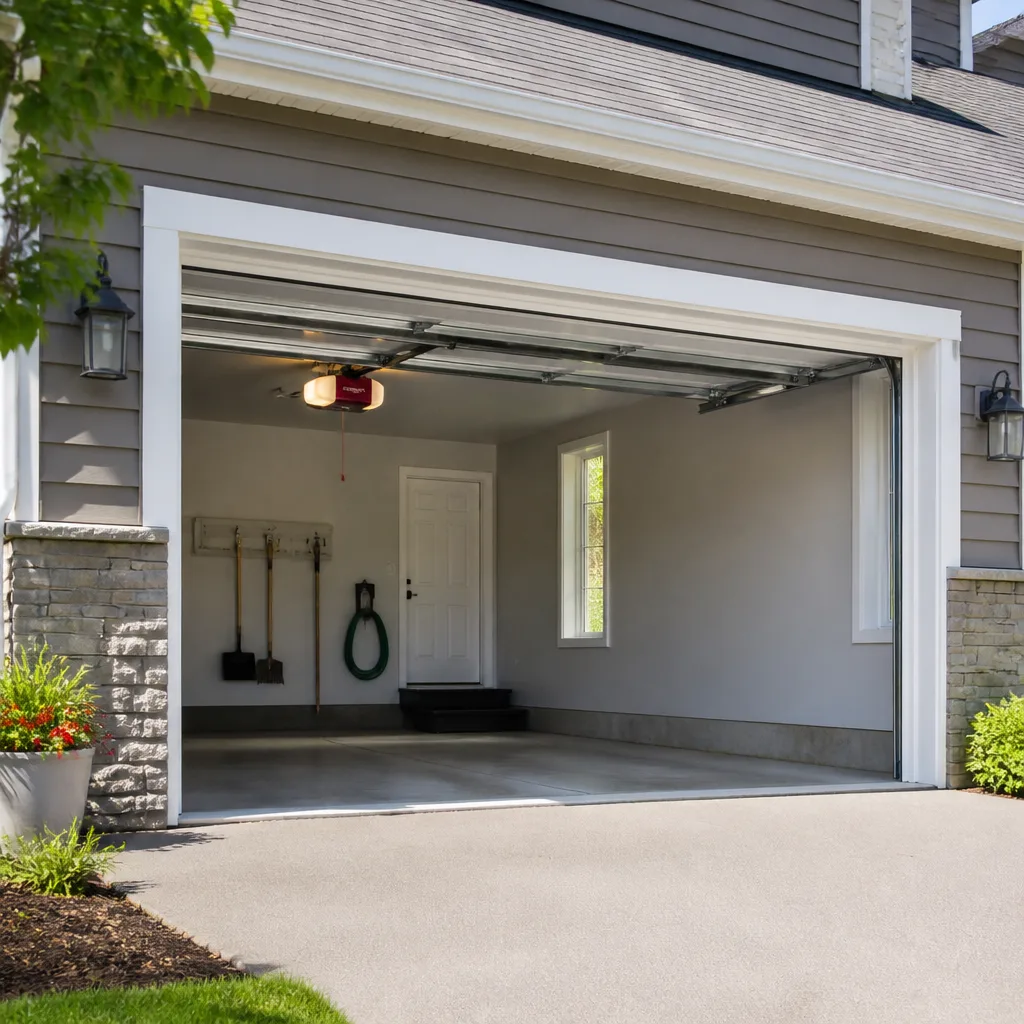 LiftMaster openers
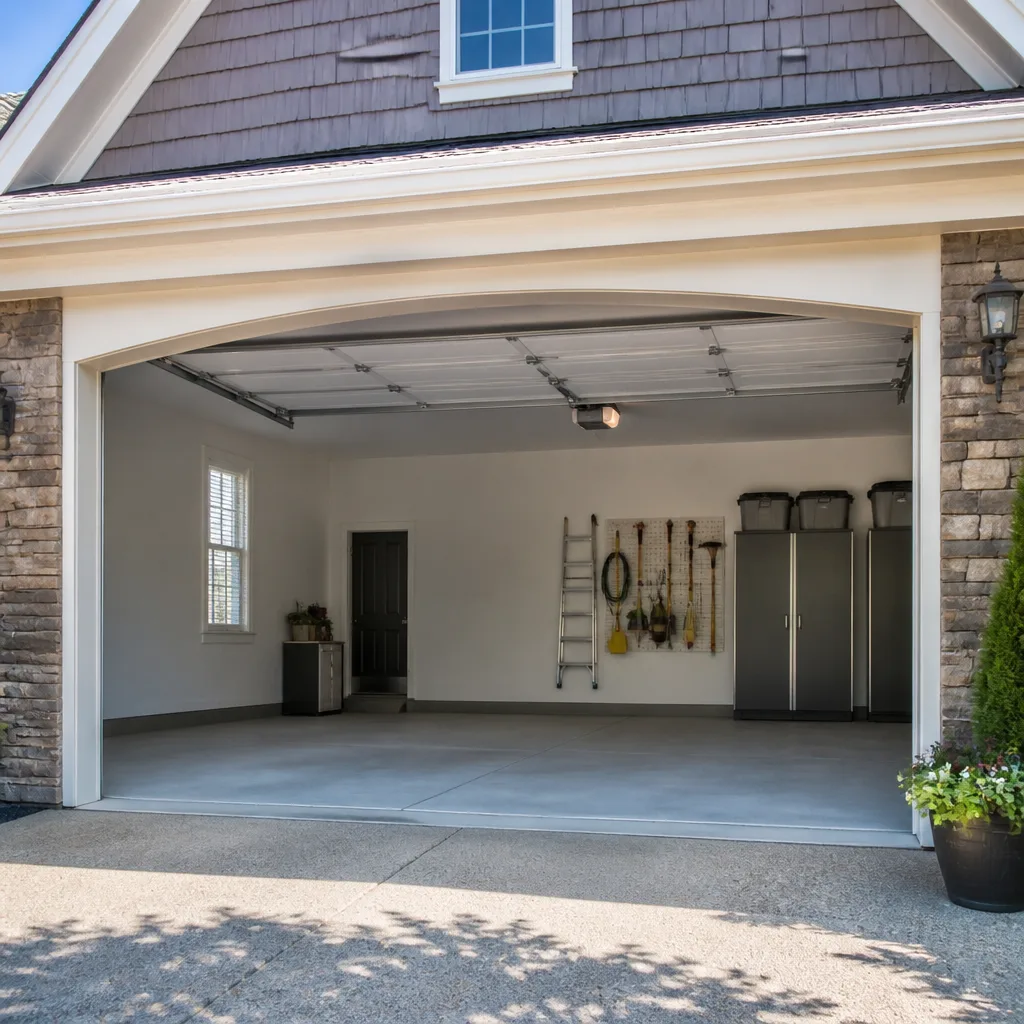 Chamberlain openers
Full 25-point door and opener safety check with every visit - springs, cables, rollers, tracks, and your LiftMaster or Chamberlain opener included
You get a price before we start. It does not change when the pro arrives.
Get your free estimateThe Complete Guide to Garage Doors in Garfield Ridge
Most Garfield Ridge homes went up between the 1950s and 1970s, and that single fact explains more garage door headaches here than anything else. A surprising number of garages in the neighborhood were designed around door sizes and header heights that don’t match today’s standard replacements, and most homeowners don’t find out until the installer shows up with a door that won’t fit the opening. This guide starts from those local realities, not from a generic checklist. You’ll learn how alley-access garages change clearance and opener placement, why older openings often need custom sizing, how steel, wood, and composite hold up through Chicago’s freeze-thaw swings, and when a repair is the honest answer versus when replacement is.
Quick Answer
Garage doors in Garfield Ridge usually last 15 to 25 years, though Chicago-area freeze-thaw cycles wear out springs faster than the door itself. The most common failure is a broken torsion or extension spring, which is a one-spring job typically priced in the low hundreds and should always be quoted in writing before work starts. Old alley-loaded garages in the neighborhood often need custom sizing or header work before a standard replacement door will fit, so a free on-site measure matters more here than in newer suburbs.
Styles & brands we work with
- Raised-panel steel
- Carriage house
- Modern flush
- Full-view glass
- LiftMaster openers
- Chamberlain openers
Table of Contents
- How Alley-Access Garages in Garfield Ridge Change Everything
- Why Older Bungalow and Ranch Garages Need Custom Sizing
- What a Specialist Sees That a Handyman Misses
- Steel, Wood, or Composite: What Holds Up Here
- Spring Repair: The Most Common and Most Dangerous Job
- Opener Placement and Repair in Older Garages
- Repair or Replace: The Honest Answer
- What Garage Door Work Typically Costs
How Alley-Access Garages in Garfield Ridge Change Everything
Drive down almost any residential block in Garfield Ridge and you’ll notice the garages face the alley, not the street. That layout is common across Chicago’s Southwest Side, and it creates a set of conditions that front-facing suburban garages simply don’t have. When we work on a garage door in Garfield Ridge, that alley orientation is the first thing we account for.
The most obvious difference is swing clearance. A front-facing garage gives you a wide driveway and open space behind the car. An alley garage is boxed in by a fence, a neighbor’s garage wall, or a tight paved apron, so the door has to operate cleanly within a much smaller envelope. A door that binds or drifts slightly off track is far more likely to catch on something here, and the consequences are harder to undo.
Opener placement shifts too. Older alley garages often have shallower ceiling height, exposed joists, or a low header, which limits where a torsion bar or a rail-mounted opener can sit. In our experience, this is where generalists guess and specialists measure. A few specific things we check on every Garfield Ridge alley garage:
- Whether the door clears the fence line and apron fully through its whole travel
- Header height relative to the door’s track radius
- Ceiling clearance for the opener rail and whether a jackshaft or wall-mount unit fits better
- Whether the existing electrical drop is close enough for a safe opener install
- How the alley pavement slopes, since a sloped apron can throw off the door’s bottom seal
None of this is unusual once you know to look for it. The trouble is that a company used to wide suburban driveways will install the same door and opener combo everywhere and only discover the fit problem after the fact. Whether you’re after garage door repair or a full replacement, the alley layout should drive the plan.
Why Older Bungalow and Ranch Garages Need Custom Sizing
The single biggest surprise on a Garfield Ridge replacement job is sizing. Standard modern door widths assume a standard modern opening, and a lot of these 1950s-to-1970s garages weren’t built to one. Instead of a clean standard width, you’ll find openings that are a couple of inches off, header heights that sit lower than a current-model door needs, or framing that has settled unevenly over the decades. A standard replacement ordered off a catalog number will not drop in.
That mismatch is why the measure comes before the quote, not after. Here’s how a proper sizing process goes from start to finish:
- Measure the opening itself, not the old door. A previous door can be undersized to fit a swollen or out-of-square opening. We measure the actual clear opening and square it up.
- Check the header. If the header sits lower than a standard door requires, the options are a custom door height or structural work to raise the opening. That’s a real decision you should make with a written number in front of you.
- Check the jamb and track space. Older garages may not have enough side clearance for the track and hardware a modern door uses.
- Confirm headroom for the opener. Low ceilings in a ranch-style garage can rule out a rail-mounted opener and point toward a wall-mount or jackshaft design.
- Order a custom or modified door if the opening demands it, then schedule the install against the actual measured opening.
Custom sizing is normal on these older structures, not a red flag. When garage door installation is done right on a Garfield Ridge bungalow, the measurements happen up front so the install day doesn’t turn into a surprise. Because replacement work is measured, ordered, and scheduled, the realistic promise is a free on-site measure and a written price, not a same-day install.
What a Specialist Sees That a Handyman Misses
A general handyman can help with a lot around a house. A garage door on an older Garfield Ridge structure is one place where generalist shortcuts show up fast. The difference is diagnosis.
On a first visit, a specialist looks at the whole system as one machine rather than a list of parts. A handyman often fixes the squeaky symptom and moves on. We look for the cause behind it. On a typical older Garfield Ridge garage, that means checking:
- Whether a visibly worn door is actually out of balance, which loads the opener beyond its design and causes repeat failures
- Torsion and extension spring condition and whether a matched pair is due to be replaced together
- Track alignment, roller wear, and hinge condition as a group, since one bad roller strains the others
- Cable drum and cable condition, which generalists frequently overlook
- Opener force settings and travel limits, which drift over time and mask a mechanical problem
- Whether the door brand’s parts are readily sourced or need to be ordered for an older model
That brand fluency matters. We work on the brand you already have, including Craftsman, LiftMaster, Chamberlain, and Raynor, plus other major names, so a diagnostic visit doesn’t stall because someone only knows one manufacturer’s system. The result of a proper diagnosis is a fast fix that lasts, rather than a patch that returns in a few weeks. When the parts are also handled by the same specialty provider, you don’t get bounced to a third-party supplier or talked into a full replacement you didn’t need.
Steel, Wood, or Composite: What Holds Up Here
Material choice is where local climate really earns its keep. Garfield Ridge sees the full Chicago-area swing: cold, hard winters and humid summers, with repeated freeze-thaw cycles across both. A door has to survive that expansion and contraction every year. Here’s how the main options behave in these conditions.
Steel is the workhorse. It handles the freeze-thaw cycles well as long as it’s insulated and the paint finish is intact. The failure mode to watch is moisture. Once the finish chips, bare steel can rust, especially near the bottom panel where the sweep meets snowmelt and slush in winter. Steel is the easiest material to maintain through a Chicago-area winter, and the most forgiving if you fall behind.
Wood looks the part on an older bungalow, and it can match the character of a 1950s or 1960s home. The catch is humidity. Wood expands and contracts with seasonal moisture swings, so it needs repainting or resealing on a regular schedule to keep water out of the seams. Skip that and you’ll be repairing swollen or rotting panels, which is an honest reason many homeowners on these older blocks choose not to go with wood on a heavily used alley door.
Composite sits in the middle. It resists moisture better than wood and can carry a wood-like look without the same repainting burden. Cost tends to run higher than steel, so whether it’s worth it comes down to how much you value the appearance on an alley-visible door.
A quick way to think about it for a Garfield Ridge garage:
- Heavy daily use, tight budget, few maintenance hours: insulated steel
- Matching older home character, willing to maintain: wood with a firm repaint schedule
- Wood look without the upkeep: composite
Whichever you choose, proper sizing and the right opener matter as much as the material. A good door on a badly fitted opening will still fail.
Spring Repair: The Most Common and Most Dangerous Job
When a garage door stops working, a broken spring is the usual cause, and it’s also the job we take most seriously. Torsion springs run along the shaft above the door; extension springs run along the sides. Both store a large amount of energy, and both are under constant tension. That’s why spring repair is a job many generalists decline or hand off.
We want to be direct about the risk: garage door springs and the cables that work with them are genuinely dangerous. A spring under tension can release violently. Adjusting or replacing it without the right tools and training can cause serious injury. So instead of a how-to, here’s what to check and why it should go to a trained technician:
- Whether the door opens only a foot or so and stops (a common sign of a broken torsion spring)
- Whether you can see a visible gap in one of the coils
- Whether the door feels much heavier than usual when lifted by hand, which points to spring failure
- Whether the door slams down or comes down unevenly
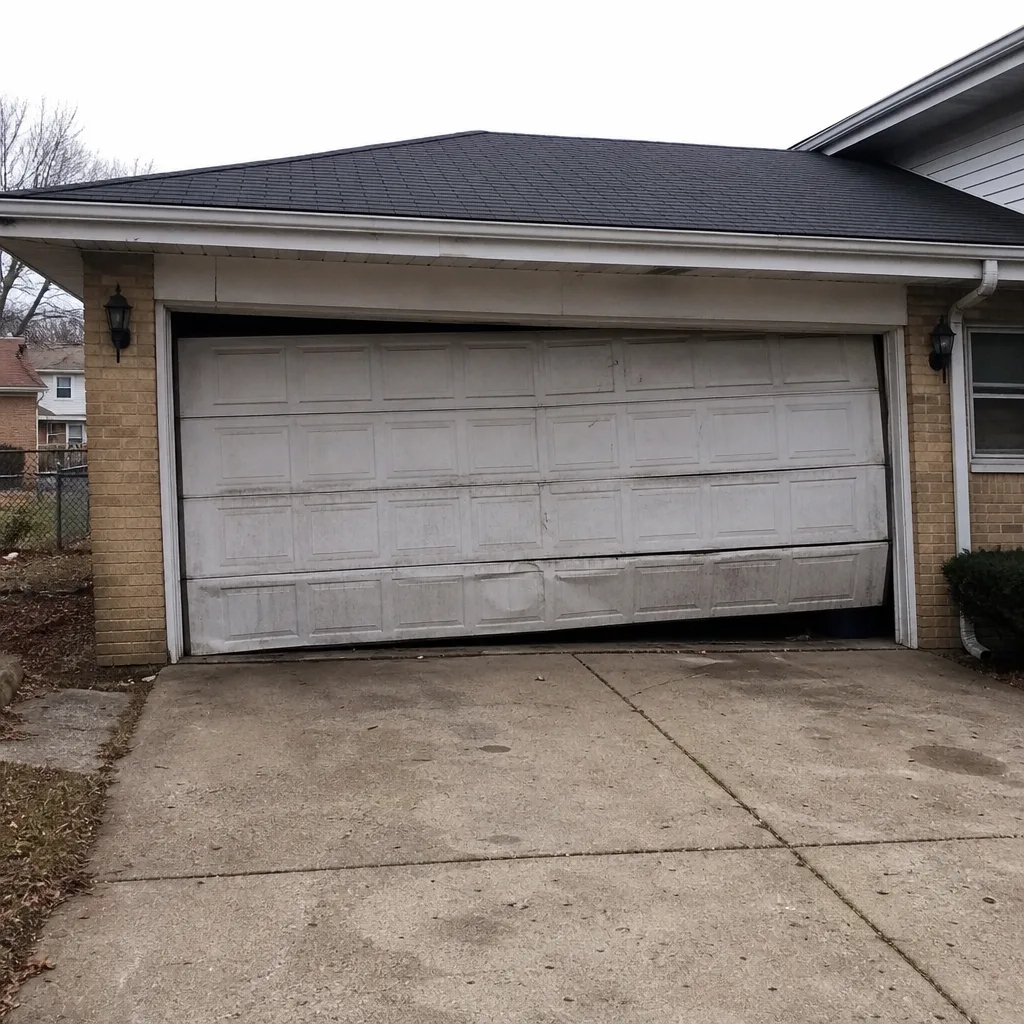
- Whether the door hangs crooked, which can point to a broken spring or cable on one side
If any of these apply, stop using the door and have a trained technician look at it. A spring price is normally quoted for one spring, and a matched pair is usually replaced together, so a pair costs about twice the single-spring figure. Getting the right part and the right repair here matters. Springs are among the highest-risk components on the whole system, and this company keeps Garage Door Repair Garfield Ridge front and center as a specialty repair. If the door is down and you need it working, we offer same-day service for repairs like this. Call us and we’ll schedule fast dispatch from 7am to 7pm.
Opener Placement and Repair in Older Garages
Openers are a separate system from the door itself, and in Garfield Ridge’s older garages they’re also where placement has to be planned carefully. The two broad options are rail-mounted ceiling openers and wall-mounted jackshaft units. In a low-ceiling alley garage, the jackshaft is often the better fit because it mounts beside the torsion bar rather than hanging in the middle of the ceiling. In a garage with more headroom, a ceiling unit works fine.
When an opener fails, the cause usually falls into one of these groups:
- The door has gone out of balance, and the opener is straining to lift a heavier load than it was designed for
- A safety sensor is misaligned, dirty, or blocked, stopping the door before it closes
- The force or travel setting has drifted and needs adjusting
- Worn gears, a failing capacitor, or a burnt-out motor in an older unit
- Remote or wall-control pairing issues rather than a mechanical fault
We also repair and service the opener brand you already own, whether that’s a Craftsman, a LiftMaster, or another major system, so a repair visit doesn’t stop because the brand is unfamiliar. For a garage door opener repair, the right first step is diagnosis. If the door moves crookedly and stops partway, that’s a door balance problem showing up at the opener, not an opener that needs replacing. If you’re replacing the opener entirely on a low-ceiling garage, placement gets decided at the measure so the unit fits the space.
Repair or Replace: The Honest Answer
Most homeowners ask this sooner or later, and an honest answer matters more than a sales pitch. A repair extends the life of a door when the problems are isolated and the door is otherwise sound. A replacement becomes the sensible call when the structure itself has reached the end of its useful life. Here’s how we sort it:
Repair usually wins when:
- The door is otherwise straight and balanced, and a single component has failed
- A spring, cable, opener, or roller has gone and the panels and track are in good shape
- The door still fairly matches the opening and there’s no structural issue
Replacement usually wins when:
- Panels are rusted through, warped, or structurally compromised at the bottom
- The existing opening doesn’t match standard sizing and repeated repairs keep returning
- The door is very old with many components nearing failure, so you’re paying for the same failure repeatedly
The reason this matters in Garfield Ridge specifically is that many original doors from the neighborhood’s early housing are still in service decades later. Those can often be repaired for years more, but the honest answer is sometimes that a replacement is the better long-term call for an older home. A good specialist gives you both numbers in writing and lets you decide. We wire in the same kind of straight answer through the rest of the guide: what’s actually needed, what’s optional, and which one you’re paying for.
What Garage Door Work Typically Costs
Costs depend on the exact problem, the door size, the brand, and whether the opening needs custom sizing. The ranges below are typical estimates for this kind of work, and the written estimate sets the final price. Nothing gets done until you’ve agreed to it.
- Spring repair (one spring): typically in the high hundreds; a matched pair is usually replaced together and about twice the single figure
- Opener repair: depends on the failure; a sensor, force, or travel issue is generally less than replacing the unit
- New opener install: priced by unit and fit; low-ceiling garages may cost more if a wall-mount is needed
- Track, roller, and hinge repair: an itemized repair often totaling less than a new door
- Full door replacement: the largest range, set by size, material, and whether the opening needs custom sizing or header work
- Parts: priced individually; a part-only repair may be the least expensive option when you know what you need
Two things keep the price honest here. First, every job is quoted and agreed before any work starts, so there’s no surprise invoice when the job is done. Second, the estimate is free. If something on the list looks new when the technician arrives, you get a revised written number to approve, not a shocker after the fact. For an exact quote on garage door work in Garfield Ridge, call (877) 492-2475. We answer 24/7. Fast dispatch from 7am to 7pm, Sunday through Friday.
Common Mistakes to Avoid
- Ordering a standard-size door without measuring the opening. On an older Garfield Ridge bungalow, that’s the most common way to end up with a door that won’t fit. Measure the actual opening first, always.
- Fixing a spring symptom instead of the spring. If the door stops a foot up, that’s a broken spring, not a temperamental opener. Misdiagnosis leads to repeat spending and still leaves the real fault in place.
- Trying to adjust a spring yourself. Springs and cables are under heavy tension and can cause serious injury. This is the one part of a garage door that always belongs to a trained technician.
- Replacing an opener when the door is out of balance. A door that’s heavy or crooked makes a healthy opener look broken. Check the balance before blaming the motor.
- Ignoring paint and finish on a steel door over a Chicago-area winter. Moisture and road slush work the bottom panel hardest. Chipped paint invites rust.
- Overlooking the alley clearance when choosing a door or opener. An alley garage is a different envelope from a front-facing suburban garage. Fit has to be checked, not assumed.
- Skipping the written estimate. Never let a spring, opener, or installation job start without a clear written number you’ve approved.
See the difference
 Before
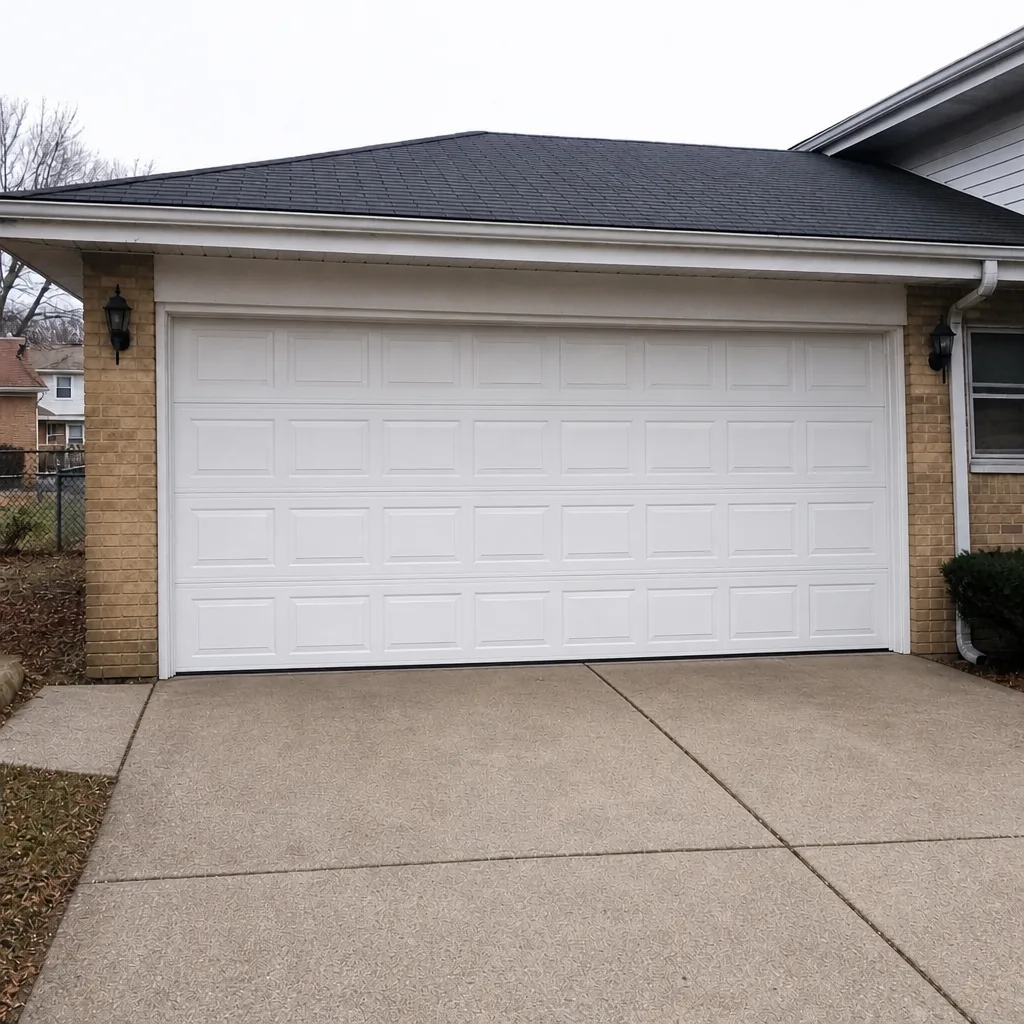 After
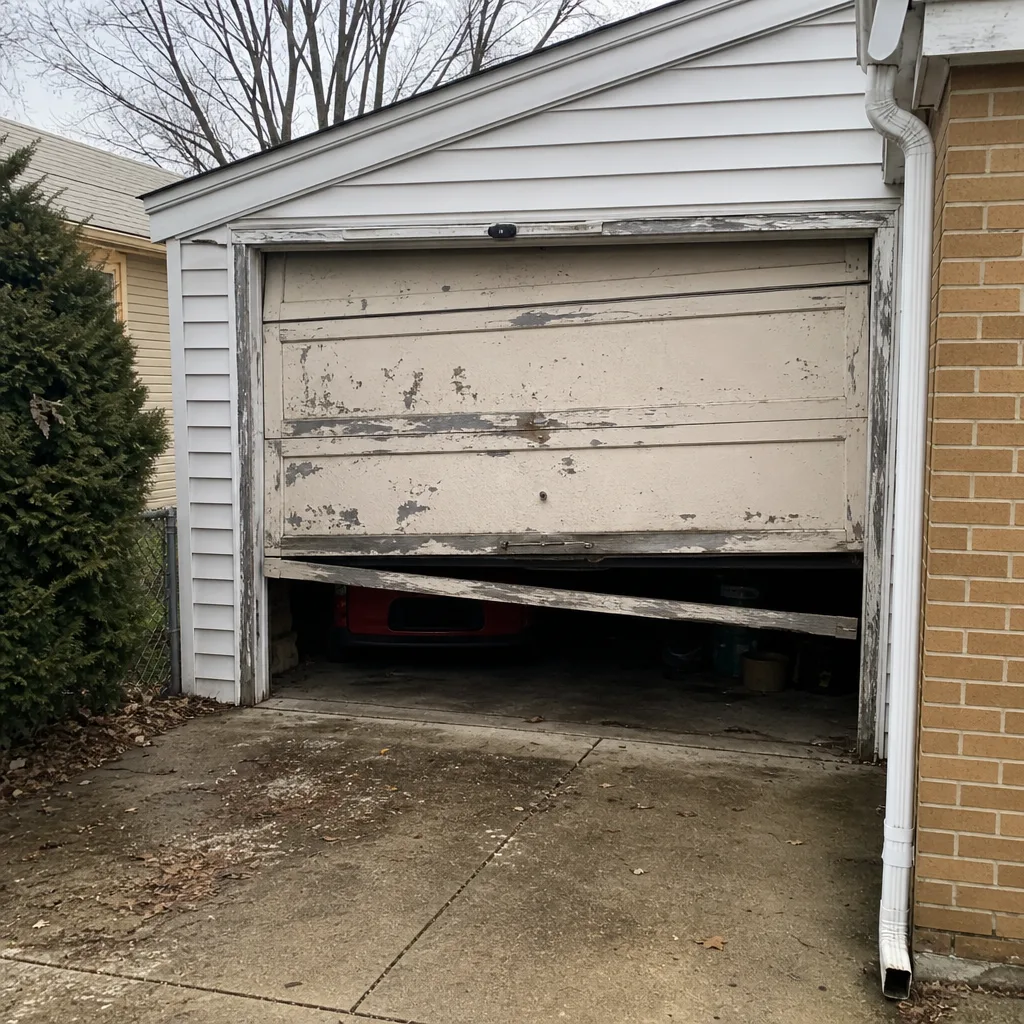 Before
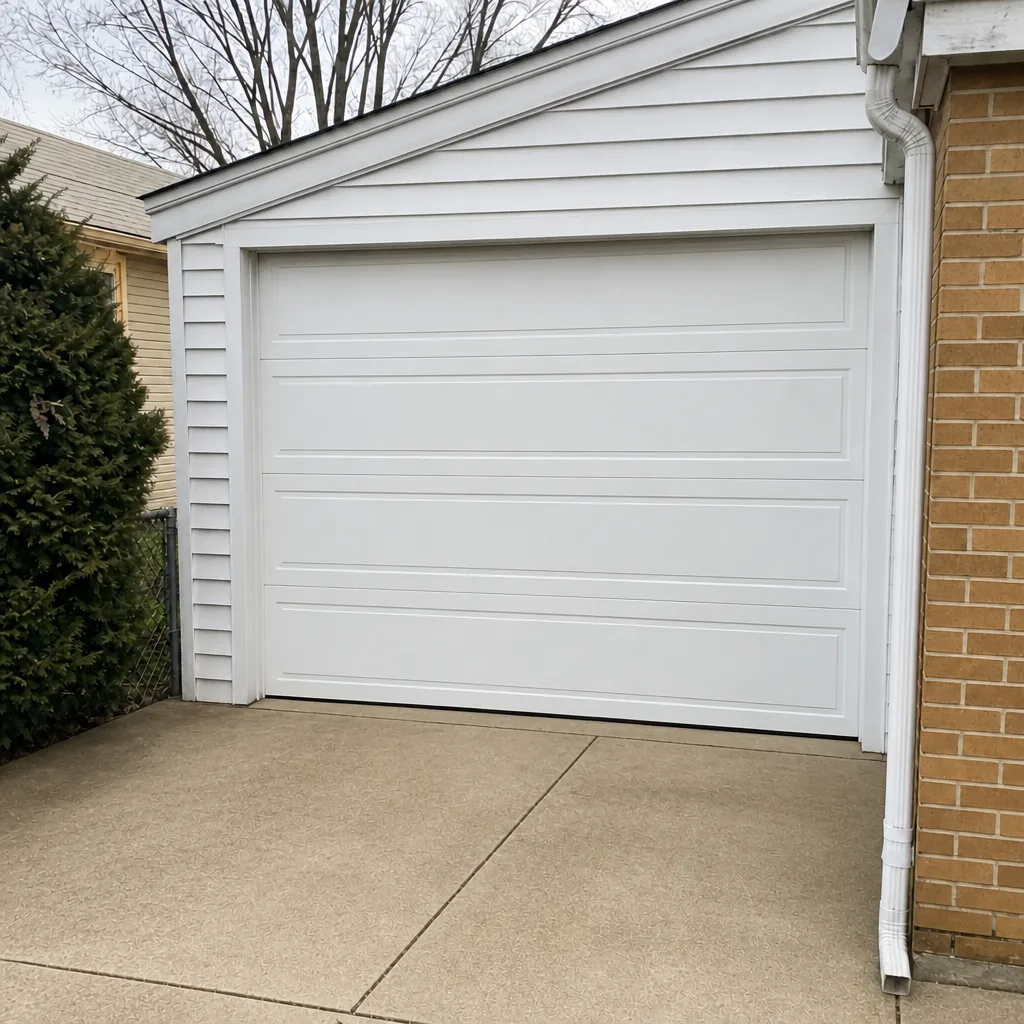 After
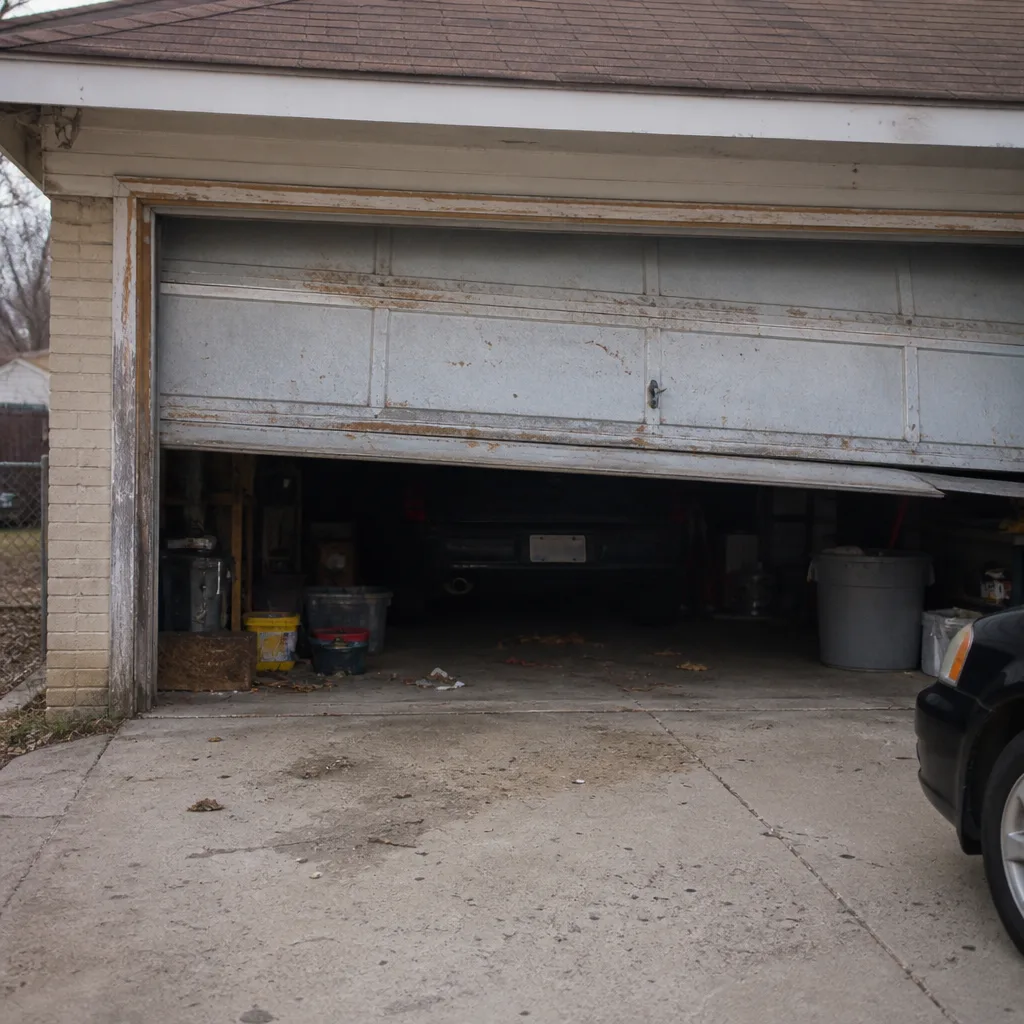 Before
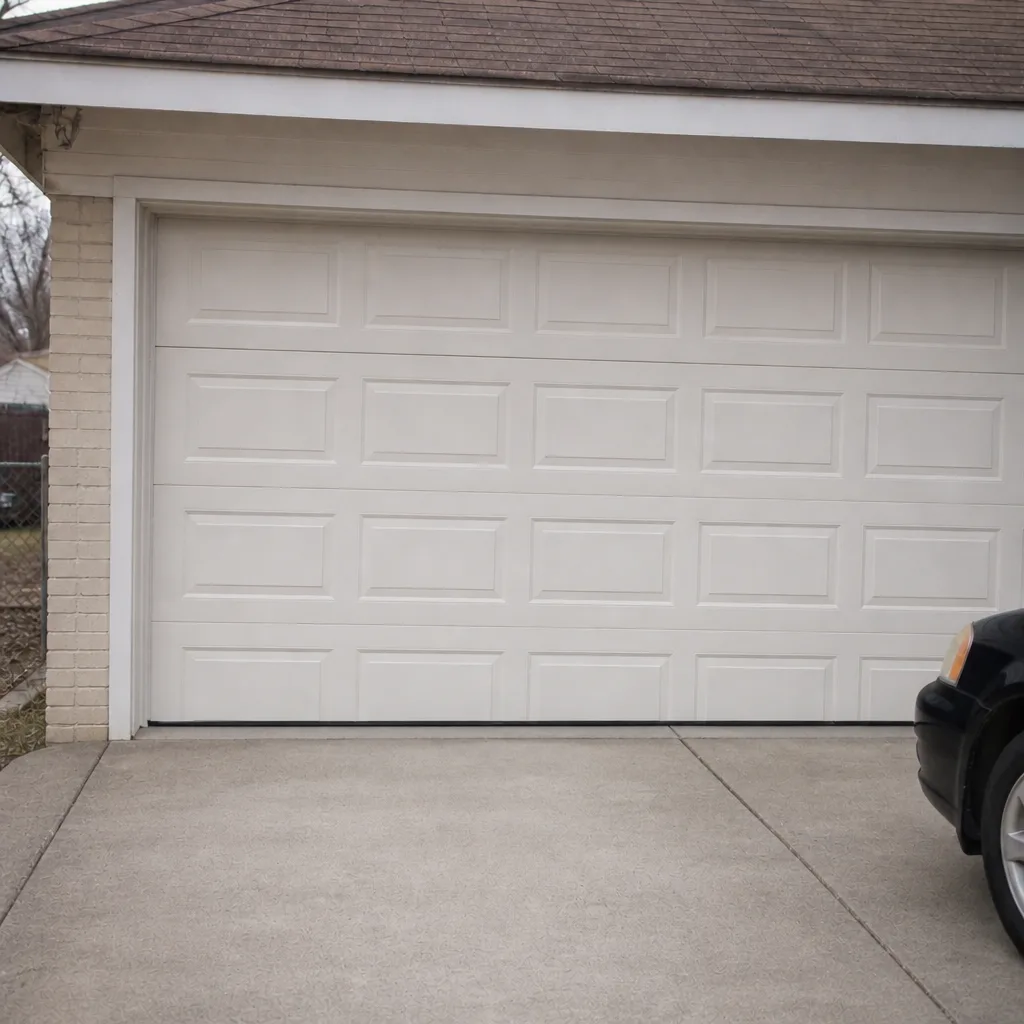 After
When to Call a Professional
Call a professional when the door won’t open, when you can see a gap in a spring, when the door hangs crooked, or when it comes down heavier or faster than it should. Call when the opener runs but the door doesn’t, or when a remote has stopped working despite fresh batteries. Call when the door is a foot off the floor at rest or when you hear a loud snap from the springs. And call if the opening looks out of square or the door’s bottom panel is hard against the frame. Garage Door Repair Garfield Ridge offers free estimates in Garfield Ridge. Call (877) 492-2475 and we’ll get someone out to look. Same-day service is available on repairs, and our technicians have up to 11 years of experience with doors and openers.
Frequently Asked Questions
Spring repair is usually priced for one spring, typically in the high hundreds, and a matched pair is usually replaced together at about twice the single figure. You get the exact number in a free written estimate before any work starts, so call (877) 492-2475 for an exact quote. Estimates are free.
We offer same-day service for repairs, and fast dispatch runs from 7am to 7pm, Sunday through Friday. Call us and we’ll book the earliest opening. If your door is stuck closed or open, call (877) 492-2475. We answer 24/7.
Many Garfield Ridge garages were built in the 1950s to 1970s around openings that don’t match today’s standard door sizes or header heights. That can mean a custom or modified door is needed, and possibly header work to raise the opening. The only way to know is a physical measure before ordering.
The local pros we connect you with are licensed and insured as their state requires. Our technicians have up to 11 years of experience with garage doors and openers across major brands. Call (877) 492-2475 for a free estimate.
No. The written estimate sets the price, and the price is agreed before any work starts. If the on-site check uncovers something not on the original estimate, you get a revised written number to approve first. Call (877) 492-2475 for a free estimate.
We work on the brand you already have, including LiftMaster, Chamberlain, Craftsman, Raynor, and other major names. That covers both openers and doors, and parts supply is available separately. Call (877) 492-2475 for an exact quote, and estimates are free.
The Bottom Line
Garage doors in Garfield Ridge ask more of a homeowner than in a newer suburb. Alley-loaded garages leave less clearance. Older bungalow and ranch openings often need custom sizing before a standard door fits. The freeze-thaw cycles wear springs and test materials every winter. Handle those realities up front with a proper measure, an honest diagnosis, and a written estimate, and you avoid the most expensive mistake of all: paying for the wrong fix twice. When the door needs more than you can safely do, a garage door specialist is the right call.
Written by the team at Garage Door Repair Garfield Ridge.
Get a Free Estimate
Whether it’s a broken spring, a stuck opener, a door that won’t fit the way you hoped, or a full replacement on an older Garfield Ridge garage, we’ll diagnose it straight and quote it in writing before work starts. Call (877) 492-2475 for a free estimate. We answer 24/7. Fast dispatch from 7am to 7pm, Sunday through Friday.