
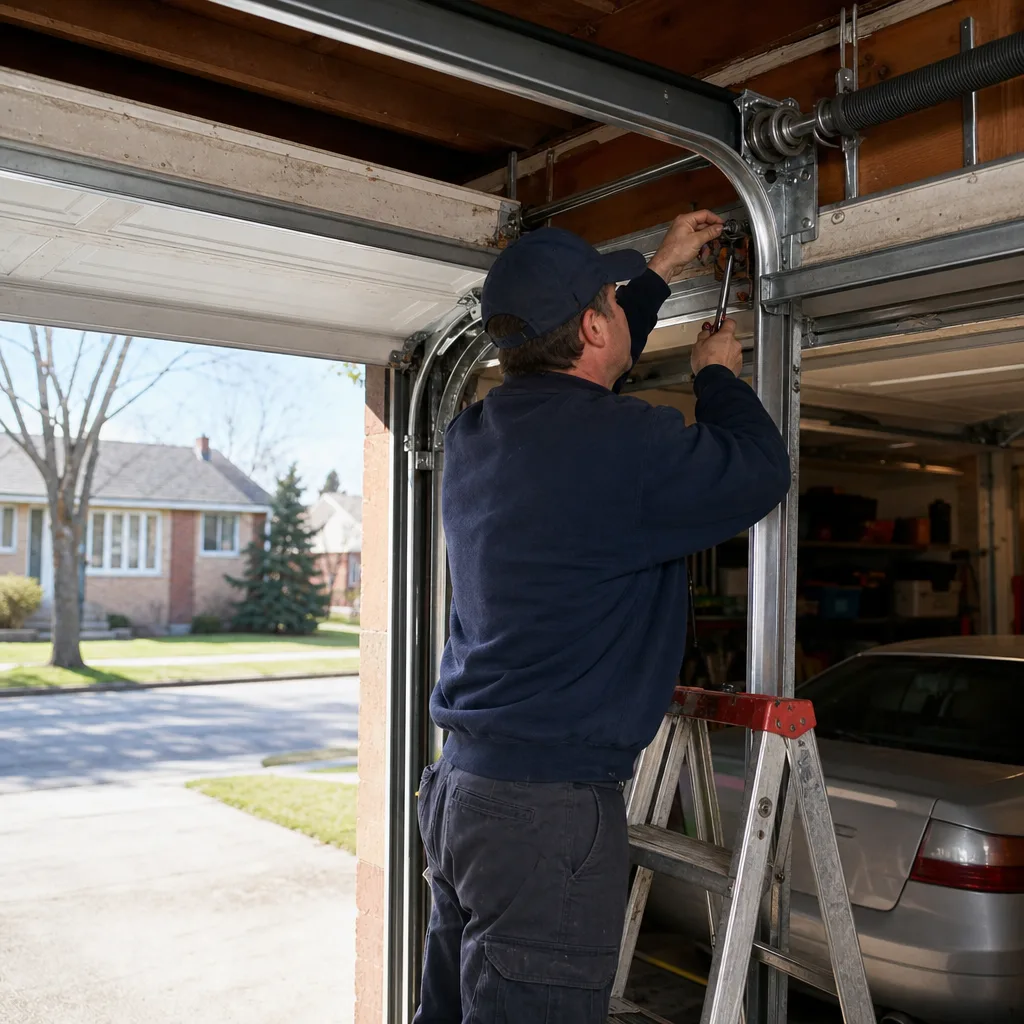
Last updated November 21, 2026
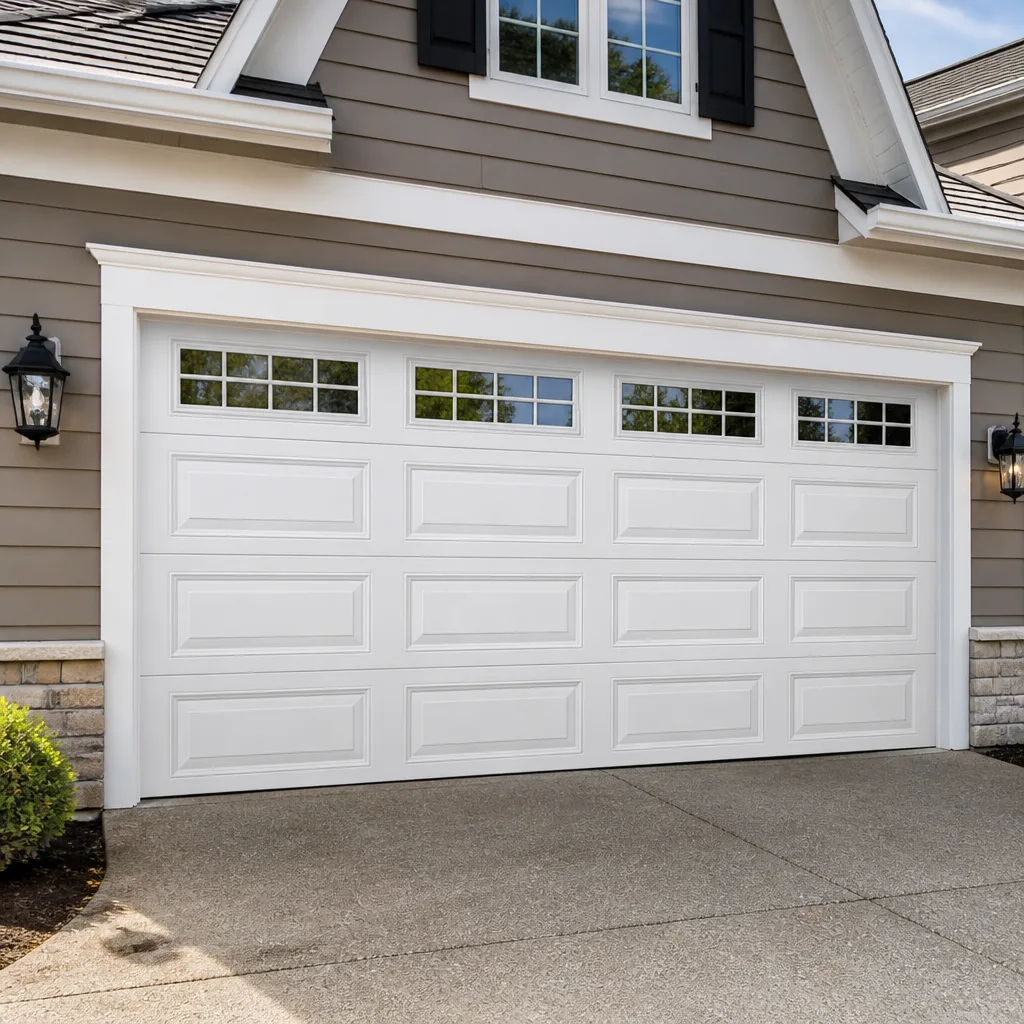 Raised-panel steel
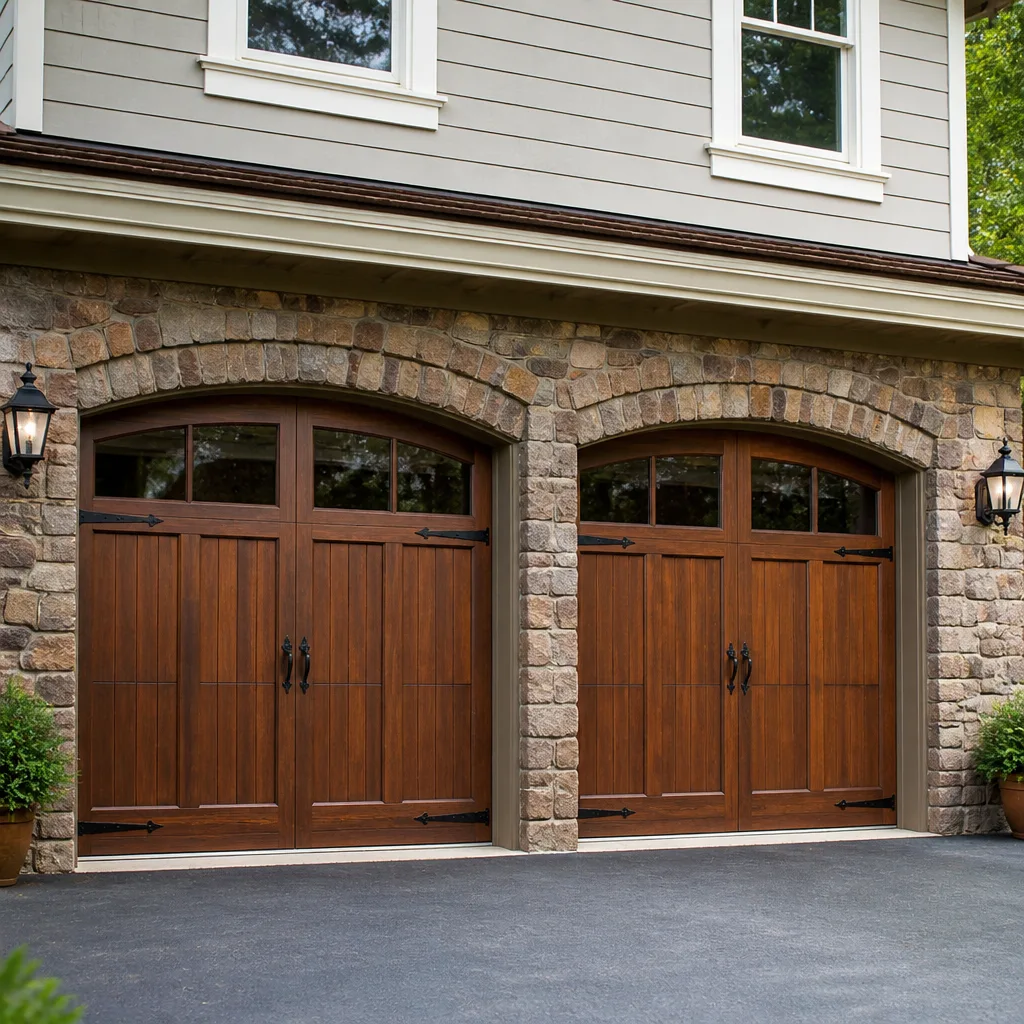 Carriage house
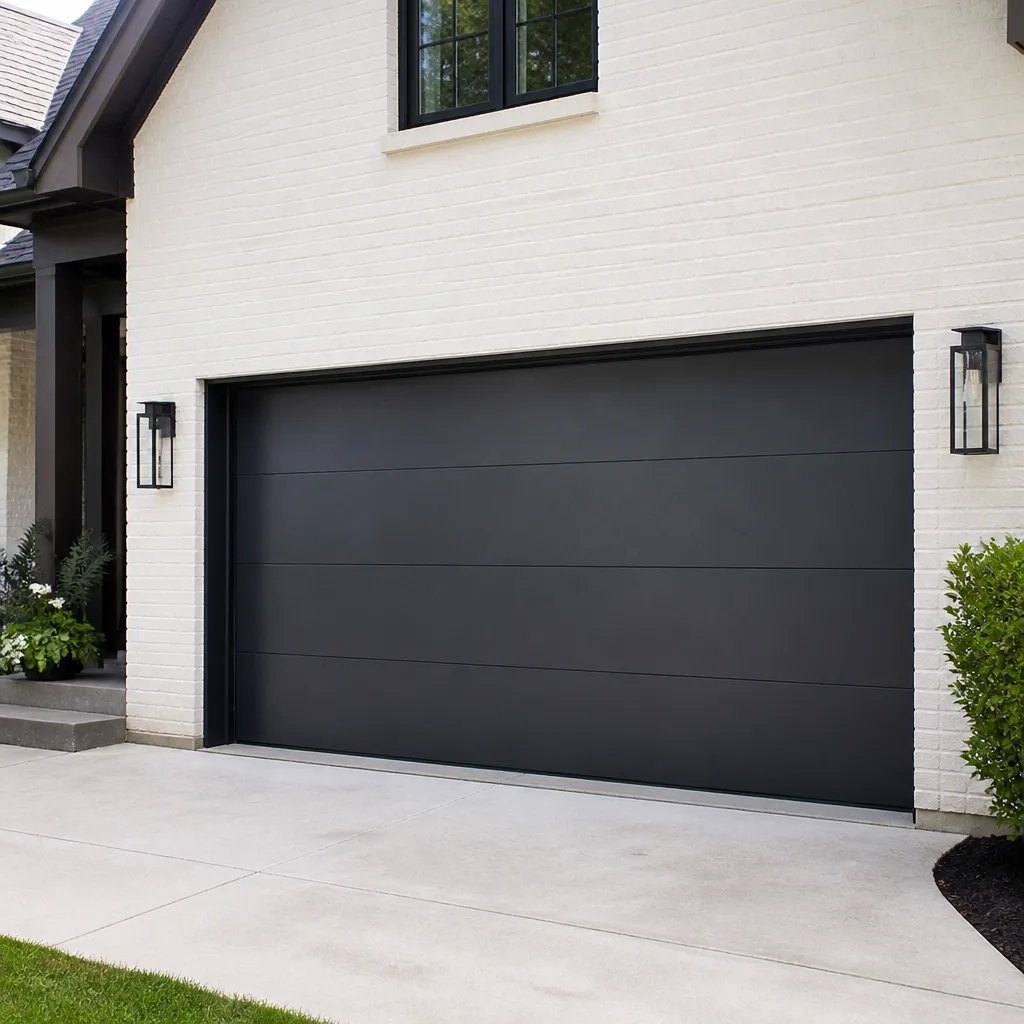 Modern flush
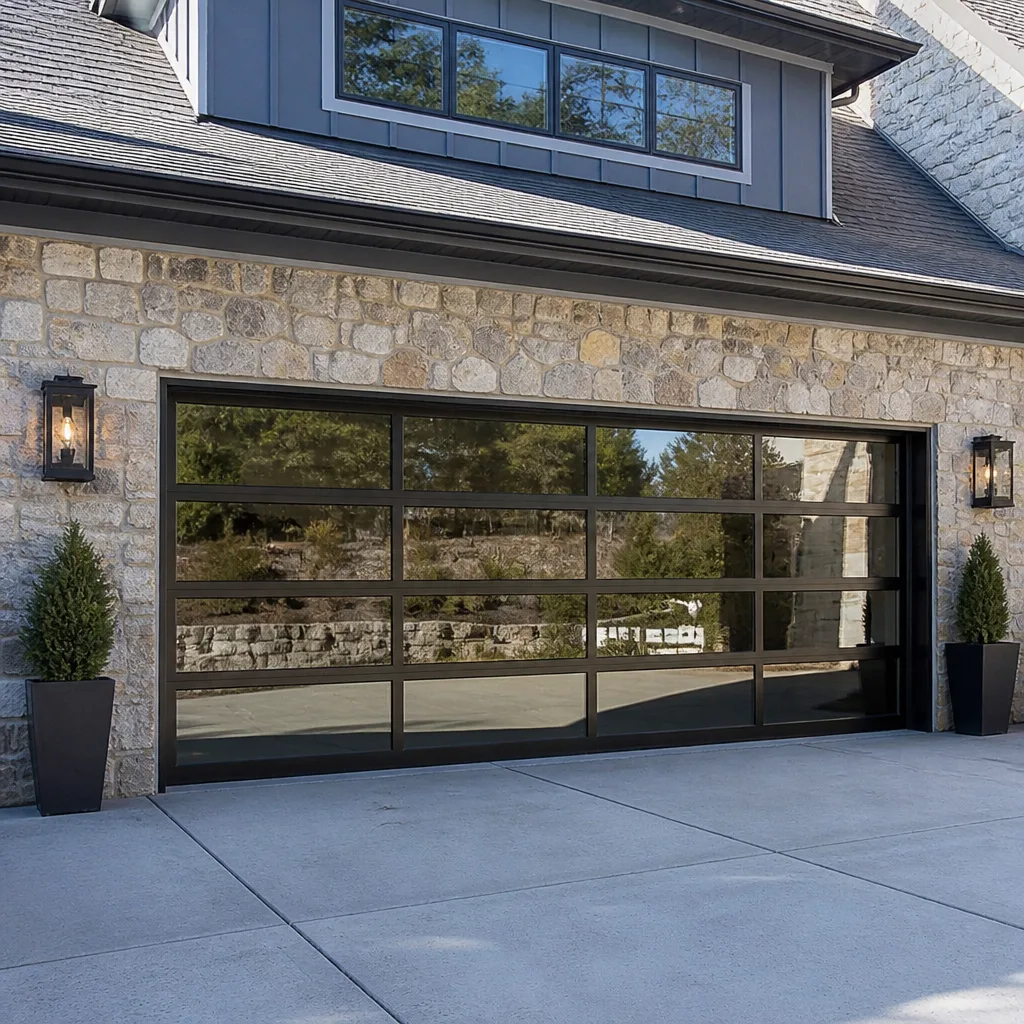 Full-view glass
 LiftMaster openers
 Chamberlain openers
Full 25-point door and opener safety check with every visit - springs, cables, rollers, tracks, and your LiftMaster or Chamberlain opener included
You get a price before we start. It does not change when the pro arrives.
Get your free estimateDIY vs Professional Garage Door: The Garfield Ridge Homeowner’s Decision Guide
Replacing a bottom weather seal is a legitimate 20-minute job with a screwdriver and a pair of snips. Replacing a torsion spring is a physics problem, not a handyman problem. The difference between those two tasks isn’t about how handy you are. It’s about how much energy is stored in the part you’re touching and what happens when it lets go the wrong way.
Most DIY-versus-pro advice you’ll find online draws the line in the wrong place, either scaring homeowners off simple maintenance or waving them toward repairs they shouldn’t touch. This guide draws that line task by task. You’ll learn which jobs are genuinely safe to handle at home, which ones have failure modes that follow you for years, and how a hybrid approach keeps a Garfield Ridge door running longer with fewer service calls.
Quick Answer
Lubrication, sensor alignment, remote programming, and weather seal replacement are safe DIY jobs. Spring replacement, cable replacement, and track realignment are not, because those parts store and release dangerous energy or move the entire weight of the door. Professional help is worth it whenever the repair involves the door’s lifting system, when the door is out of balance, or when a new door needs to be measured, ordered, and installed so the warranty holds. Everything in between is a judgment call this guide helps you make.
Styles & brands we work with
- Raised-panel steel
- Carriage house
- Modern flush
- Full-view glass
- LiftMaster openers
- Chamberlain openers
Table of Contents
- The Definitive Task-by-Task Breakdown
- Why Torsion Spring Replacement Is Different From Every Other Job
- The Hidden Cost of DIY Door Installation
- What a Professional Does in the First Ten Minutes
- The Smart Hybrid: DIY Maintenance That Reduces Service Calls
- How Garfield Ridge Weather Changes the Calculus
- Signs You’re About to Make the Wrong Call
- When to Call a Professional
- Frequently Asked Questions
The Definitive Task-by-Task Breakdown
Garage door work splits into three tiers, and the tier a task belongs to depends on stored energy, weight, and consequences. A task is DIY-safe when a mistake costs you a part or a call to a professional. A task belongs to the pro column when a mistake can injure you, damage the door framing, or leave you with a repair bigger than the one you started.
Safe for most homeowners:
- Lubrication. Hinges, rollers, and the opener’s rail take a garage-door-rated lubricant a couple of times a year. This is the single easiest way to extend roller and hinge life.
- Safety sensor alignment. If the door reverses for no reason, the sensors near the floor are usually out of line or dusty. Wiping the lenses and nudging the brackets back into line is a ten-minute fix.
- Remote and keypad programming. Pairing a remote or changing a keypad code is a menu task, and most Genie and LiftMaster units walk you through it in the manual.
- Weather seal replacement. The bottom rubber or vinyl seal slides out of the retainer and the new one slides in. If the retainer itself is bent or rusted, that’s when it moves into the pro column.
- Visual inspection. Look at cables for fraying, springs for gaps, and the door’s panels for cracks. Checking costs nothing and catches problems early.
Belongs to a professional:
- Torsion and extension spring replacement. The most dangerous job in the trade, and the one most general handymen will not touch.
- Cable replacement. Cables sit under hundreds of pounds of tension and can whip if they slip.
- Track realignment. Tracks hold the door in its plane; a bent or out-of-square track wears rollers and stresses the opener.
- Panel replacement on a damaged sectional door. Panels have to match the door’s model and hinge spacing, and the lifting system needs rebalancing afterward.
- Any repair on a door that’s more than a few years old and has never been serviced. Old springs and cables behave differently, and a pro will catch what a first-timer won’t.
Everything in that second list is work we handle under our garage door repair service. If you’re not sure which tier your problem falls into, that’s a good reason to call and ask.
Why Torsion Spring Replacement Is Different From Every Other Job
A torsion spring is a tightly coiled steel rod that holds the entire weight of the door. When the door is down, the spring is wound tight and storing energy. When the door goes up, the spring releases that energy to lift the door. A wound spring on a standard residential door can carry a few hundred pounds of force in its coils. If a spring is released without the tension being taken off first, that energy goes wherever the metal points.
That’s why this specific job doesn’t behave like any other garage door task. With a stuck roller or a misaligned sensor, the worst case is that the door stays home for another day. With a spring under tension, the worst case is a wound steel rod or a winding bar leaving the housing with nothing to stop it. A professional technician winds and unwinds springs using steel rods inserted into the housing, a controlled process that depends on knowing the exact number of quarter-turns the door needs. Guess at that number and the door either won’t lift or won’t stay down.
There are two spring systems on residential doors, and both are pro work:
- Torsion springs mount on a shaft above the door. They’re wound with bars from the outside and are the most common setup on newer Garfield Ridge homes.
- Extension springs run along the sides of the track, stretched horizontally. They’re usually protected by a safety cable, and a broken spring can still swing hard enough to damage the door or track.
What we recommend instead of a DIY attempt: if you hear a loud bang from the garage, see a gap in a spring, or find the door suddenly heavy to lift, stop using the door and call. Springs are a named front-line service at our shop, and our technicians train specifically in torsion and extension systems. Trying to save on this one repair is the most common way we see a $300 job turn into a bigger repair.
The Hidden Cost of DIY Door Installation
A new door looks like a straightforward install: level the tracks, bolt up the panels, hook up the opener. In practice, a door that’s slightly out of square costs you money for years in ways you won’t notice at first. Here’s where the hidden costs come from.
- Voided warranties. Door manufacturers like Clopay and Amarr write their structural warranties to cover their own product, and many require professional installation to keep that coverage in effect. A new door installed by a homeowner can end up with a warranty that doesn’t apply.
- Tracks that are out of square. A track that’s off by a small amount still works, but every roller inside it wears unevenly. The door gets noisier, the rollers fail years sooner, and the opener works harder every time the door moves.
- Opener strain. An opener is designed to lift a balanced door. An unbalanced door forces the motor to lift the entire weight, which shortens the life of the gear and the motor itself. Homeowners installing a door and reusing their opener often discover this a season or two later.
- Panel mismatch. Sectional doors use model-specific panels and hardware. A panel that’s close but not right creates gaps, binds against its neighbors, and puts stress on the hinges.
- Spring sizing. A replacement door often needs a different spring size than the old one, because the weight of the new door is rarely identical. A door installed with the wrong springs runs hard and wears faster from day one.
The pattern here is that the cost of a DIY door install doesn’t show up on installation day. It shows up over the following years in roller replacement, opener repair, and a door that never quite feels right. If you’re replacing a door and want the warranty and the balance done correctly, our garage door installation starts with a free measure and a written price, so you know the full scope before anyone orders anything.
What a Professional Does in the First Ten Minutes
Before a technician touches a spring or a track, three things happen. They’re the same three steps on every door, and they’re the reason a professional repair holds. A homeowner can do parts of these steps, but putting them together is where training matters.
1. Weight measurement. The technician raises the door partway and weighs its travel with a scale under the bottom edge, or estimates by lifting it a specific distance. The number is the door’s working weight, and every calculation that follows depends on it.
2. Spring sizing. With the weight known, the technician works out the spring’s wire size, inside diameter, and length. That combination gives the door the right lift force at the right number of turns. Guessing at spring size is the most common reason a DIY spring replacement ends up under-built or wildly over-tensioned.
3. Balance point verification. The technician disconnects the opener and raises the door by hand to the halfway point. A balanced door stays there. If it drops, the springs are weak or the wrong size; if it rises, the tension is too high. This is the check that confirms the door will lift evenly and won’t strain the opener.
Only after those three steps does any actual repair start. For a spring job, that sequence is what prevents the door from running hard, wearing through a new spring early, or overloading the motor. For an opener problem, it’s what separates a real diagnosis from a guess. We put the same three steps behind every call we send out for garage door opener repair, because an opener is only as good as the door it’s lifting.
The Smart Hybrid: DIY Maintenance That Reduces Service Calls
The best approach to garage door care isn’t all-DIY or all-professional. It’s a hybrid: you handle the low-risk maintenance on a regular schedule, and a professional handles the high-energy work and the periodic full inspection. Homeowners who follow this pattern go longer between paid repairs and catch problems while they’re still small.
Here’s the maintenance calendar that works:
- Every three months. Lubricate hinges, rollers, and the opener rail. Wipe down the sensor lenses. Run the door and listen for changes in sound.
- Every six months. Look at the springs for gaps or shine where the metal has started to wear. Check that the safety reverse engages with a small obstruction. Test the door’s balance by hand with the opener disconnected.
- Once a year. Clean and inspect the bottom seal. Tighten any visible track bolts. If the door has never had a professional inspection, book one, especially if the door is more than a few years old.
- After any storm. Look at the tracks and panels for anything that shifted. Strong wind and impact damage can knock a track slightly out of line without being obvious.
The point of this schedule is to spend a little effort keeping small problems small. A worn roller caught during lubrication gets replaced for far less than a roller that seizes and chews through a hinge. A weather seal replaced before winter keeps wind and meltwater out of the frame. Those small jobs are exactly what you can do at home. The heavier work – springs, cables, tracks, openers, new doors – stays with a professional.
How Garfield Ridge Weather Changes the Calculus
Garfield Ridge sits on the southwest side of Chicago, and the garage door here lives through real seasonal swings. That affects both DIY maintenance and when a pro repair is worth doing.
Winter is the hard season for a garage door. Freeze-thaw cycles work on the bottom seal and the frame, and meltwater that gets past a worn seal can freeze under the door. Old weather seals stiffen and crack in the cold, and a cheap DIY replacement seal can go hard within a season. If your seal is at the end of its life in October, replacing it before the first hard freeze saves you a door that fights you all winter.
Cold also affects springs. A spring that’s near the end of its life is more likely to fail on the first cold morning after a warm stretch. If a technician has measured your door’s weight and knows the spring is older, that’s information worth acting on before a cold snap rather than after. Neighboring areas like Clearing, Archer Heights, and Midway share the same pattern, and it’s the same story across Garfield Ridge homes built with the standard 16-foot and 8-foot door sizes.
Summer brings its own effects. Heat expands the door and track slightly, and a door that was quiet all spring can start to bind in July. Most of that is a lubrication or balance issue, not a sign the door needs replacement. The pattern to remember: winter breaks things, summer exposes things. A professional inspection in spring and fall catches both.
Signs You’re About to Make the Wrong Call
The mistake most homeowners make isn’t attempting a repair they shouldn’t. It’s misjudging which repair they’re looking at. These are the situations where the job turns out to be bigger than it looks.
- You hear a loud pop from the garage. That’s usually a spring letting go. It’s not a sound to investigate by hand.
- The door feels much heavier than usual. Something in the lifting system has failed. Stop lifting it, and call.
- The door lifts on one side and not the other. A cable or spring has likely failed on one side. Running the opener makes it worse.
- The door is visibly crooked at rest. A track or hinge has shifted, and the door needs to be rehung and rebalanced.
- Your opener’s motor runs but the door doesn’t move. This can be a stripped gear, a broken spring, or a snapped cable. Which one matters, and a visual inspection can’t always tell, because the failure may be under tension.
- A panel is dented or bent. The dent itself is cosmetic. The bent track underneath it is not. Check the travel before deciding.
- You’ve replaced a part and the door still acts wrong. This is the most common spot where homeowners should call, and no one judges you for it. A specialist learns something every time they fix a door, and years of that is what you’re paying for.
Our technicians have up to 11 years of experience across torsion and extension systems and the eight leading brands, including Genie, Clopay, Amarr, and Wayne Dalton. When a spring snaps or a door starts to feel wrong in Garfield Ridge, we’re the call that will tell you straight what’s happening and what the fix costs.
When to Call a Professional
Call a professional any time the door’s lifting system is involved, the door is out of balance, a cable has snapped, the tracks have shifted, or the door works but the opener doesn’t. Call if you hear a hard pop from the garage, if the door feels suddenly heavy, or if the door travels unevenly. Call before you buy a new door if you want the warranty to hold. And call when you’ve replaced a part and the door still isn’t right. A trained eye catches the real problem in the first visit, and we do it as a specialist rather than a generalist.
Garage Door Repair Garfield Ridge offers free estimates in Garfield Ridge at (877) 492-2475. We answer 24/7, and fast dispatch runs from 7am to 7pm, Sunday through Friday. The price is quoted and agreed before any work starts, so the written estimate is the number the repair costs.
See the difference
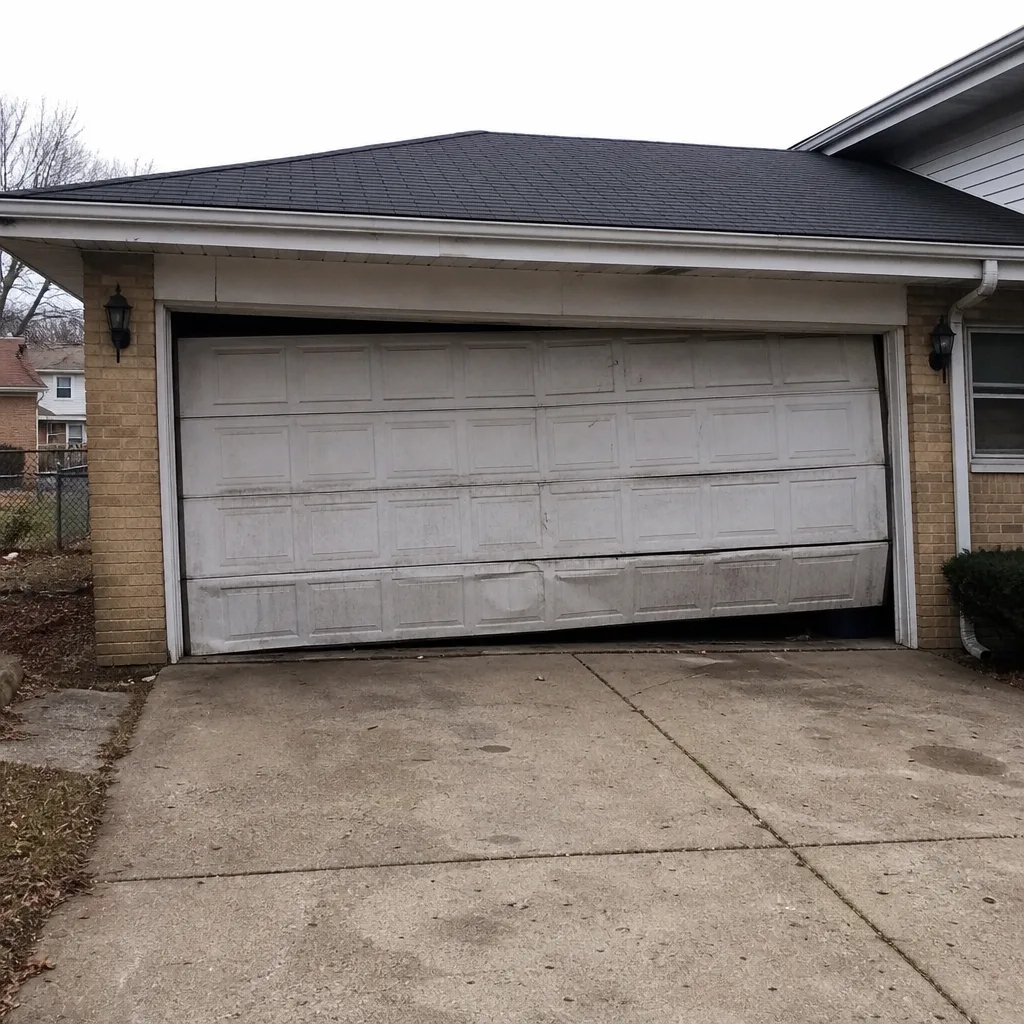 Before
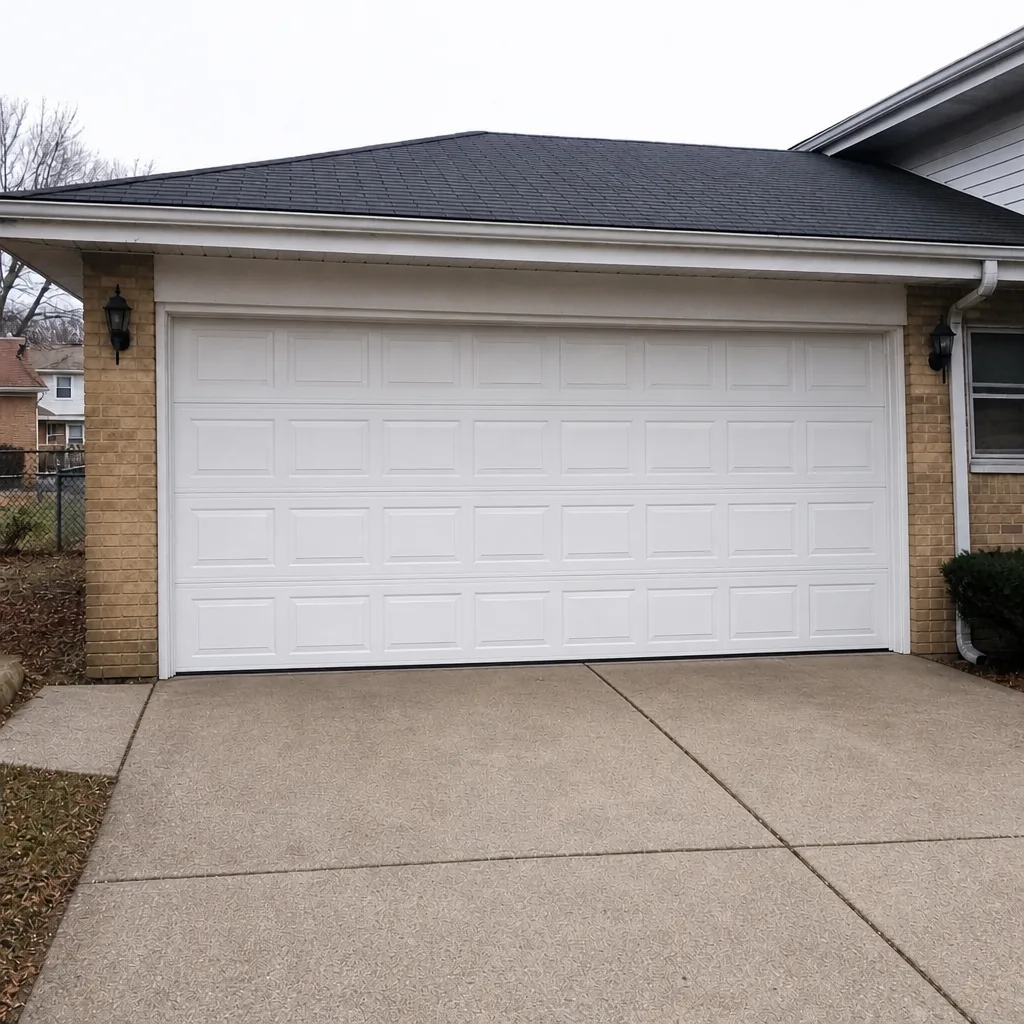 After
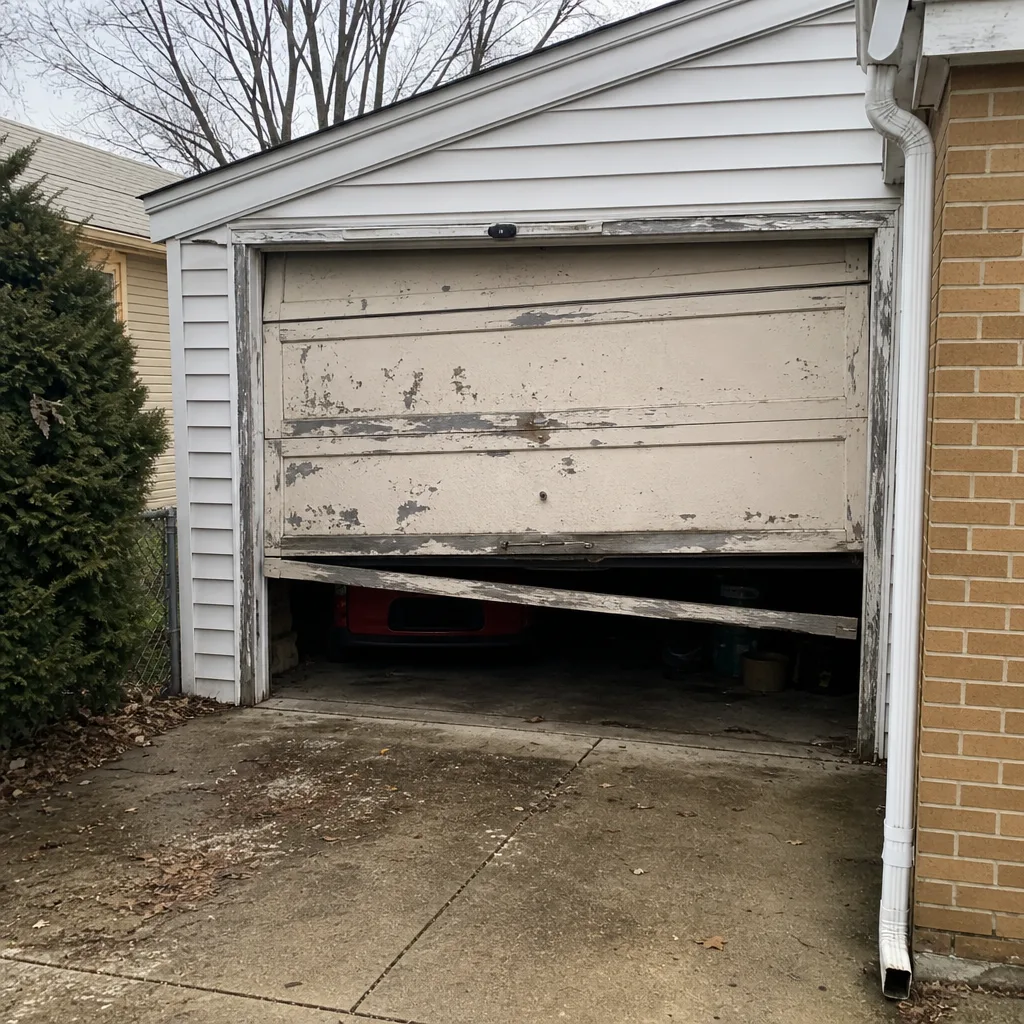 Before
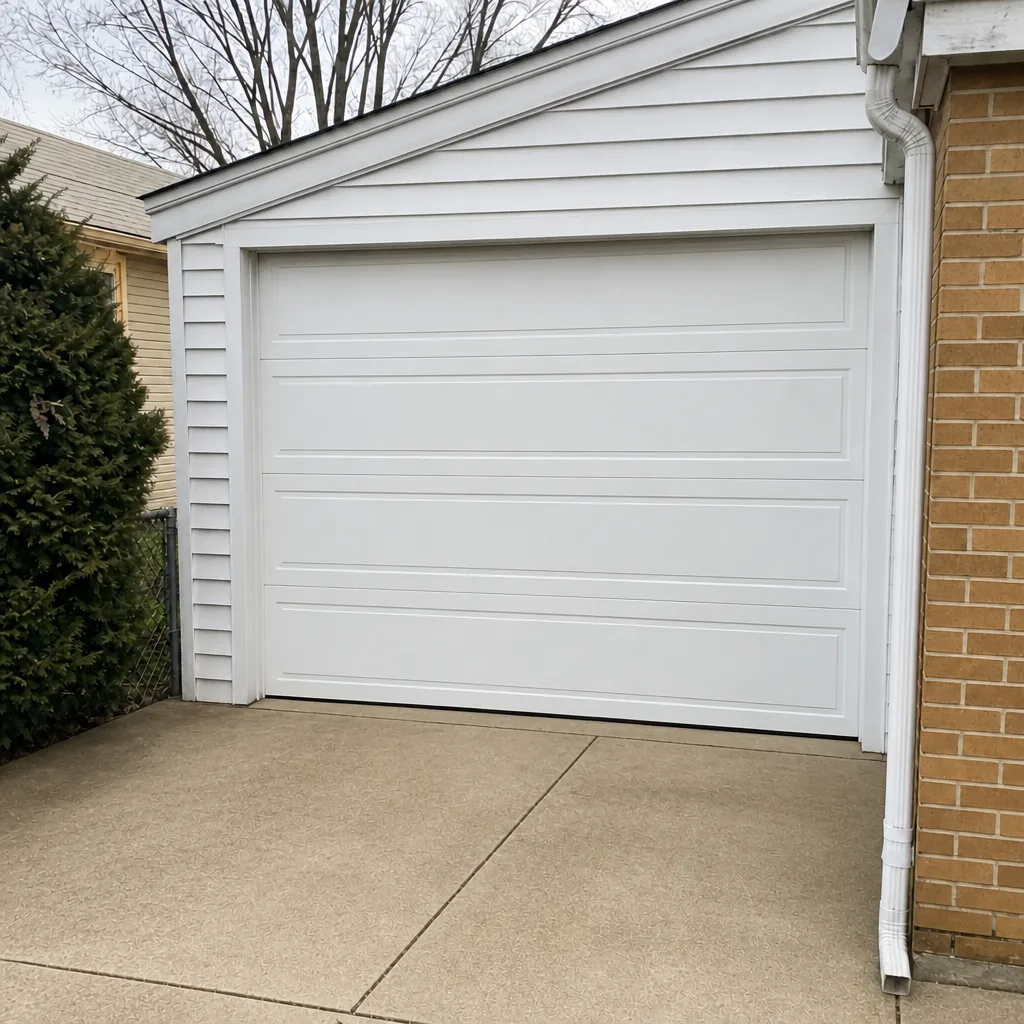 After
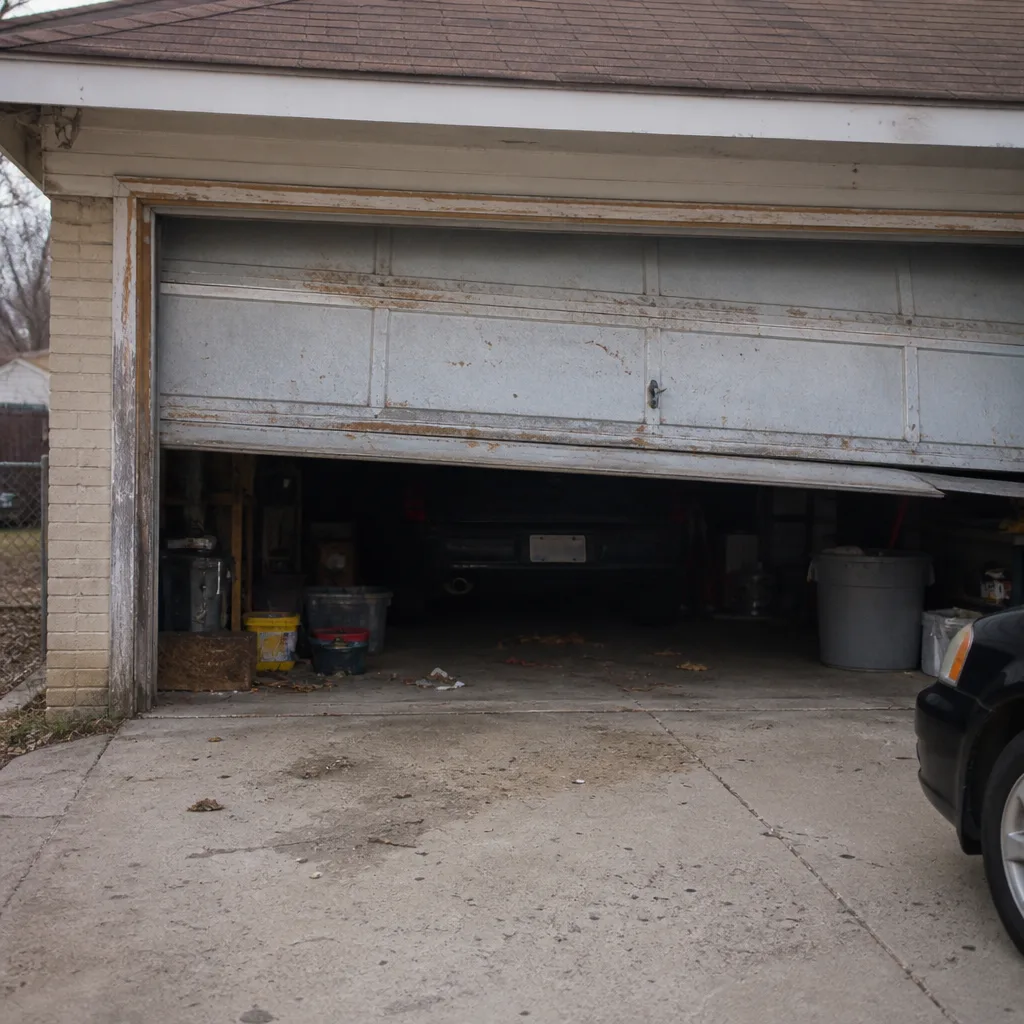 Before
 After
Common Mistakes to Avoid
- Winding a torsion spring without the right rods and the right number of turns. This is the mistake that causes the worst injuries in the trade. It’s the one we most want homeowners to skip entirely.
- Reusing OPENER hardware when installing a new door. An opener sized for the old door’s weight and travel can strain under a new door. Match the opener to the door’s actual weight.
- Replacing a single spring on a matched pair. When one spring fails on a paired system, the other is usually the same age and close to failing. A matched pair costs about twice the price of one spring and saves you a second call.
- Skipping the weather seal replacement before winter. A cheap seal that stiffens in the cold lets meltwater into the frame. Buy the right grade and replace it before the freeze.
- Repeatedly running the opener on a door with a broken spring. This strips the opener’s gear and turns a spring repair into a spring-and-opener repair.
- Buying a new door without measuring the actual opening. Garfield Ridge homes use a mix of 16-foot and 8-foot doors, and openings vary in height. A wrong measurement means a wrong door.
- Assuming an old, wobbling track just needs a little push. Tracks are structural, not adjustable by hand. A home tweak often moves the door a small amount out of square, which wears the rollers faster.
Frequently Asked Questions
DIY-safe work involves parts with no stored energy: seals, sensors, remotes, and lubrication. Professional-only work involves parts under tension (springs, cables) or the door’s structural alignment (tracks). The line is energy, not skill, so even a homeowner who’s done every DIY job on the house shouldn’t touch a wound torsion spring. If you’re not sure which side your repair is on, call (877) 492-2475 and ask.
You can, but the warranty and the balance are usually the reasons a pro is worth it. Manufacturer warranties on most sectional doors, including the major brands, typically require professional installation to stay in effect. A door installed without a balance check usually runs against the opener and wears through hardware early. Our installation starts with a free measure and a written price, so you can compare the full cost before deciding.
No, but a single spring is roughly half the price of a matched pair, so replacing one is cheaper up front. The catch is that the second spring is usually the same age as the first and close to failing, so a paired replacement saves you a second call. A pair typically costs about twice the price of one spring. Call (877) 492-2475 for an exact quote on your door in Garfield Ridge, and we’ll tell you what the second spring’s condition looks like.
Disconnect the opener, lift the door by hand to about halfway, and let go. A balanced door stays put. One that sinks has weak springs; one that rises too easily is over-tensioned. Either way, an unbalanced door strains the opener. Call us to verify the balance and measure the spring sizing – estimates are free.
Rules vary, and we can’t say for certain without checking. Most municipalities require a permit for a structural or opening change, and many don’t for a straight replacement of the same size. The fastest answer comes from Garfield Ridge’s building department, or from us when we do the measure. If you’re not sure, ask before you order the door.
Yes, weather seal replacement is one of the DIY-safe jobs, provided you buy a seal graded for cold. A cheap seal will go stiff in the first hard freeze and may not last a season. The other thing to check is the retainer itself: if it’s bent or rusted, replacing the retainer is a bigger job. For an exact quote on the seal and retainer, call (877) 492-2475 – estimates are free.
The Bottom Line
The DIY-versus-professional question for a garage door comes down to stored energy and consequences. Lubrication, sensor alignment, remote programming, and weather seals are safe to do yourself, and doing them on a schedule keeps your door running longer and your service calls fewer. Springs, cables, tracks, and new doors belong with a professional, because a mistake there can hurt you or cost you years of early wear. The smart hybrid gets the best of both: maintenance at home, high-energy repairs in a trained hand. Our technicians have up to 11 years of experience, we handle every major brand, and Garage Door Repair Garfield Ridge is here when you need the job done right the first time.
Call (877) 492-2475 for a free estimate. We answer 24/7, with fast dispatch from 7am to 7pm, Sunday through Friday. Same-day service is available on repair calls, and the price is agreed in writing before we start.
Written by the team at Garage Door Repair Garfield Ridge.