
Last updated November 21, 2026
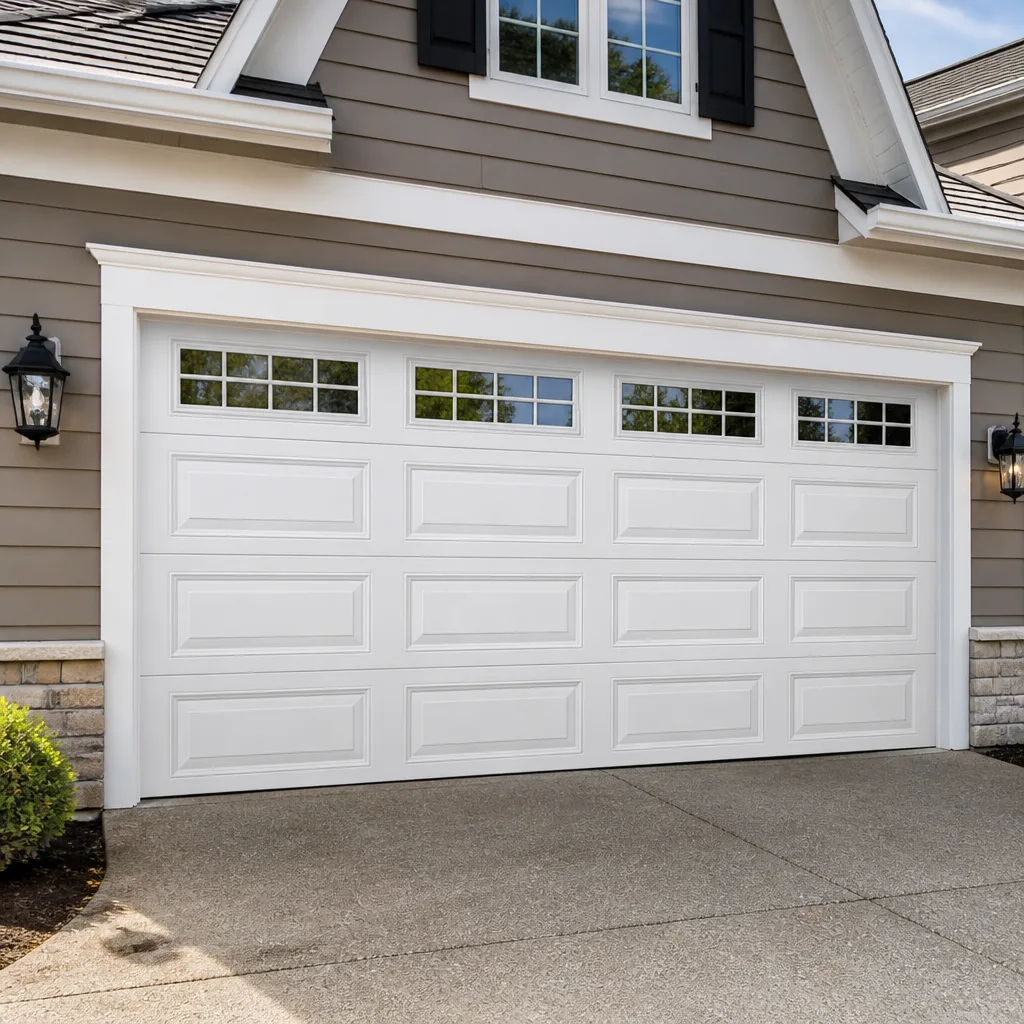 Raised-panel steel
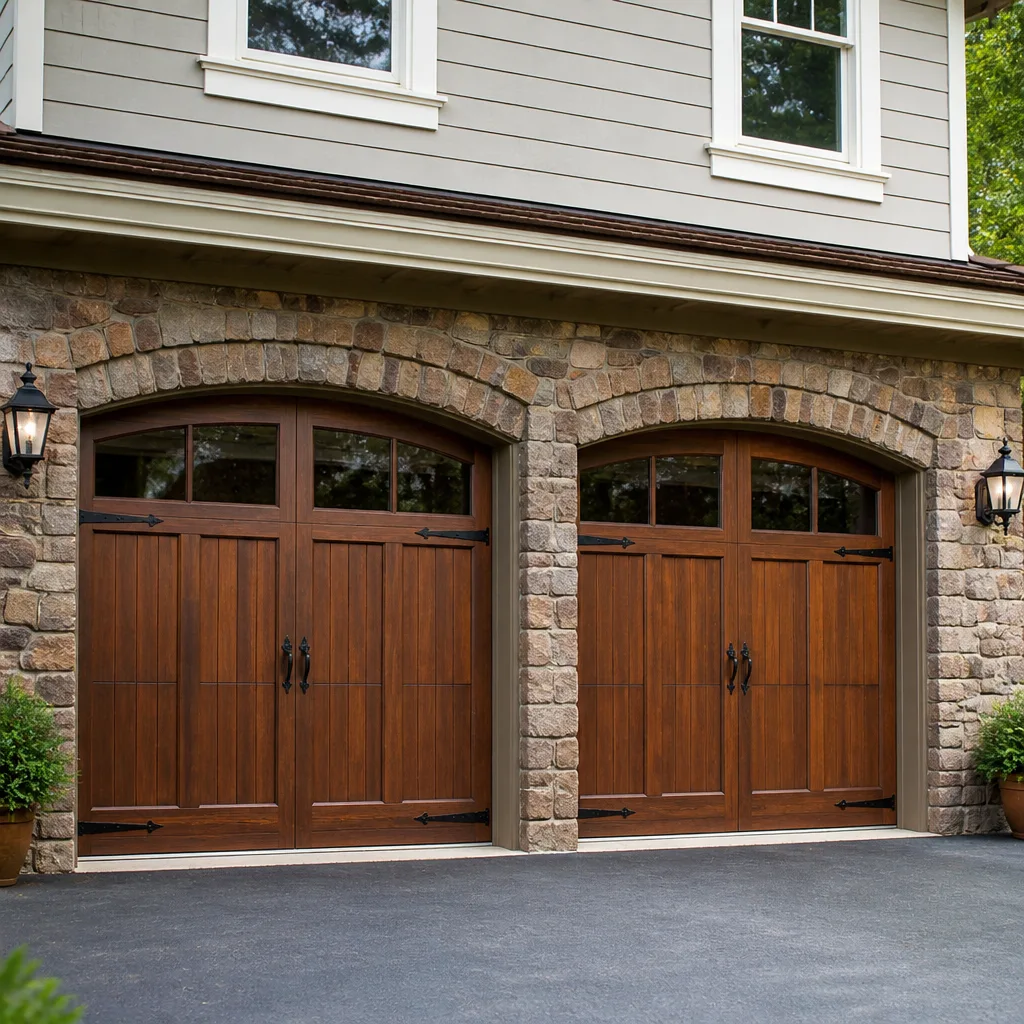 Carriage house
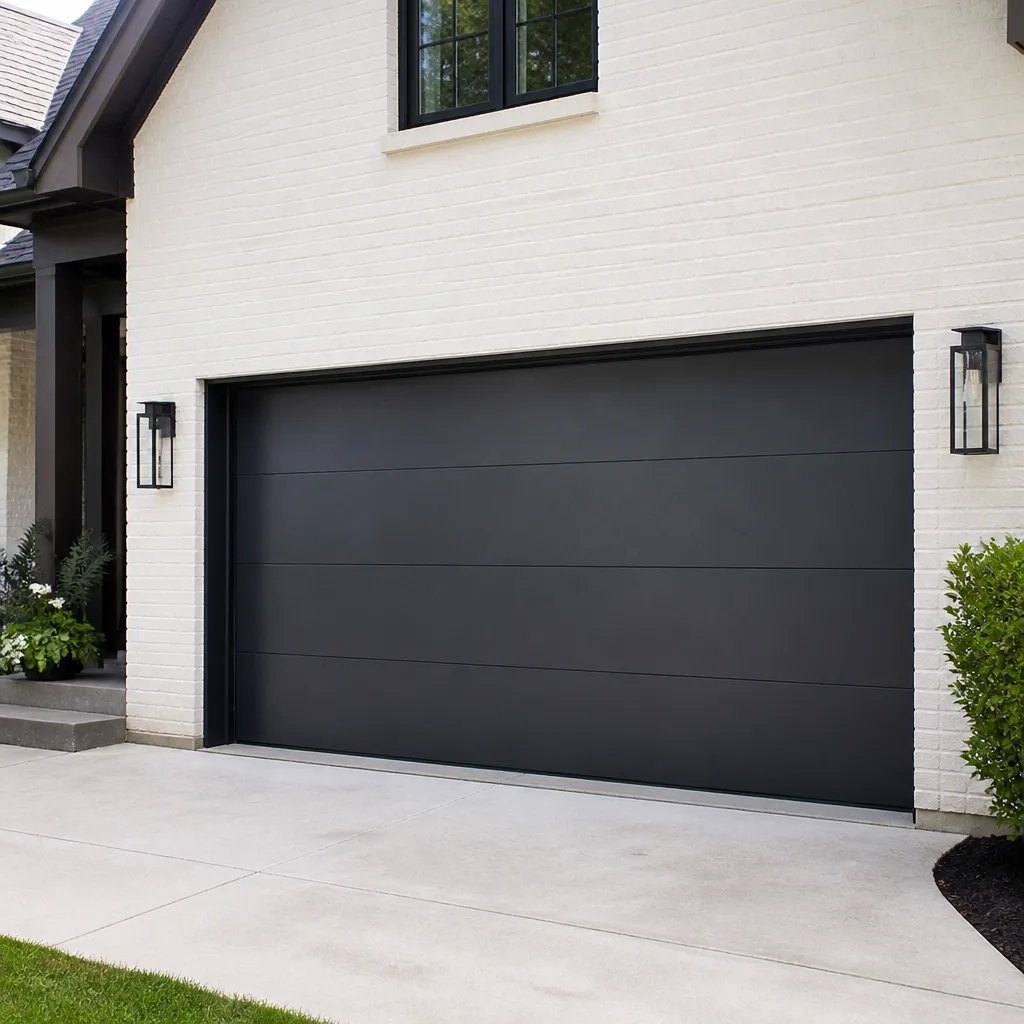 Modern flush
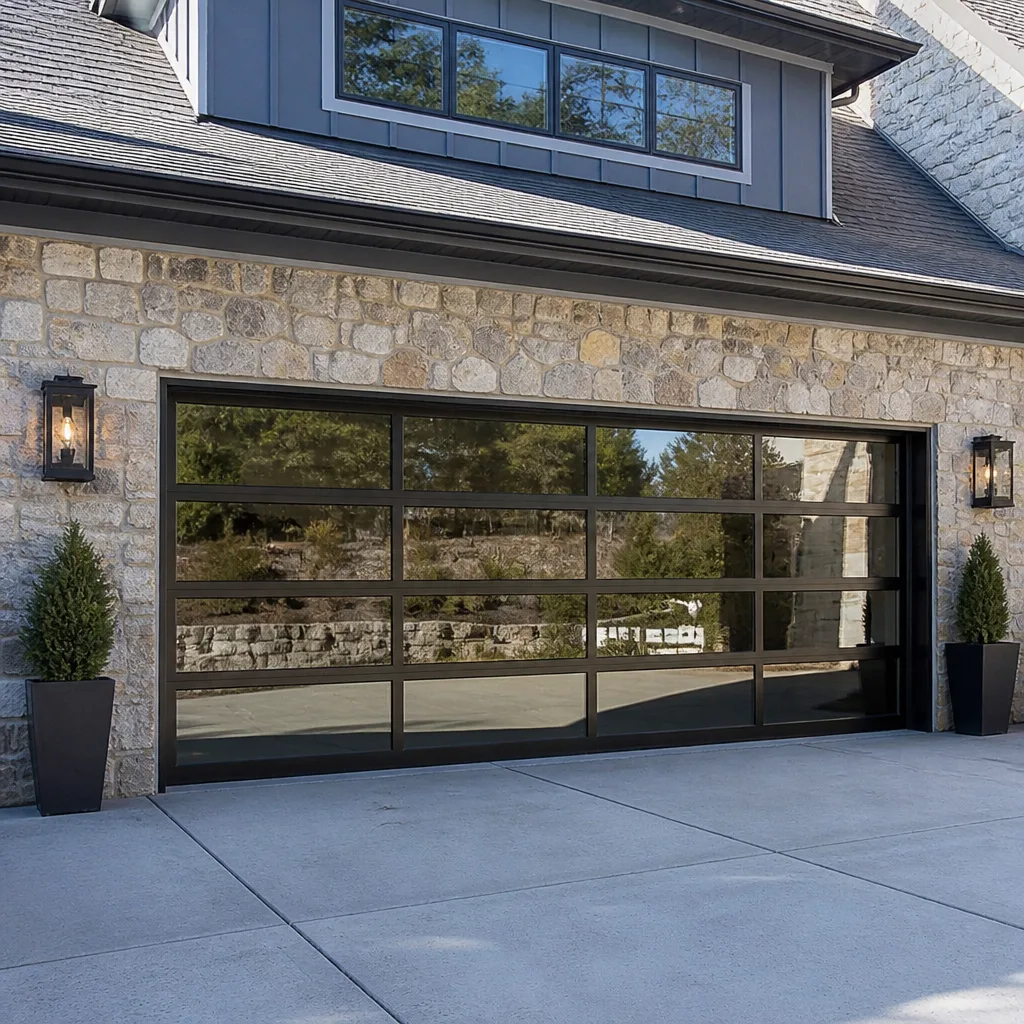 Full-view glass
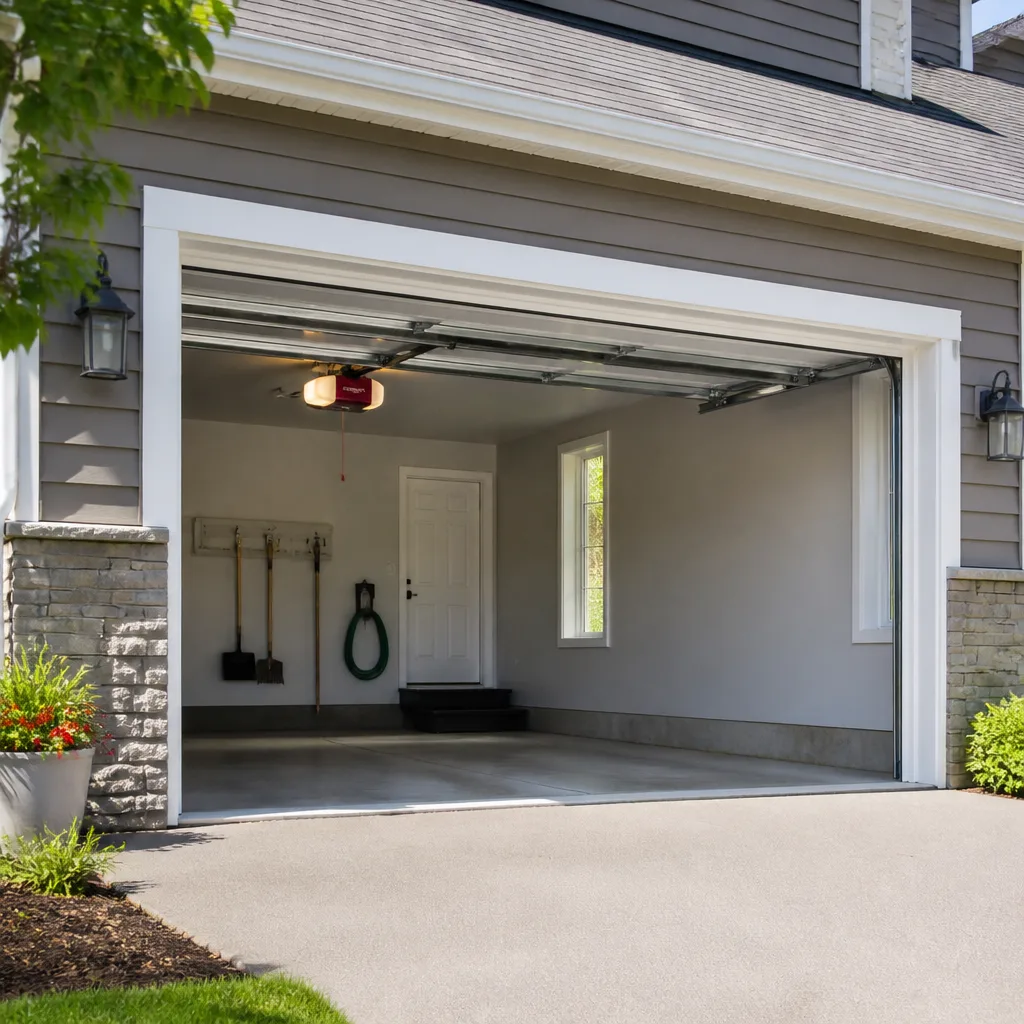 LiftMaster openers
 Chamberlain openers
Full 25-point door and opener safety check with every visit - springs, cables, rollers, tracks, and your LiftMaster or Chamberlain opener included
You get a price before we start. It does not change when the pro arrives.
Get your free estimateGarage Door Emergency Preparedness Guide for Garfield Ridge Homes
Most garage door “emergencies” aren’t caused by the door at all. They’re caused by what a homeowner does in the first ten minutes after something fails. A snapped spring in Garfield Ridge doesn’t have to trap your car, and a door that won’t close doesn’t have to stay open all night. What decides the outcome is whether you knew where the manual release cord was before the power cut out, whether you knew not to force a door with a cable off its drum, and whether you had the measurements and opener model ready when you called. This guide walks through all of it, calm and in order, so the next time something goes wrong you’re not standing in a dark garage guessing.
Quick Answer
Garage door emergencies in Garfield Ridge fall into three groups – weather-related, mechanical failure, and security breach – and each needs a different first move. For a mechanical failure with a stuck door, pull the red manual release cord (never with the door open and hanging) to run the door by hand, or tie it down and call a specialist. For a door that won’t close, secure it with a manual slide bolt and call us at (877) 492-2475. We answer 24/7.
Styles & brands we work with
- Raised-panel steel
- Carriage house
- Modern flush
- Full-view glass
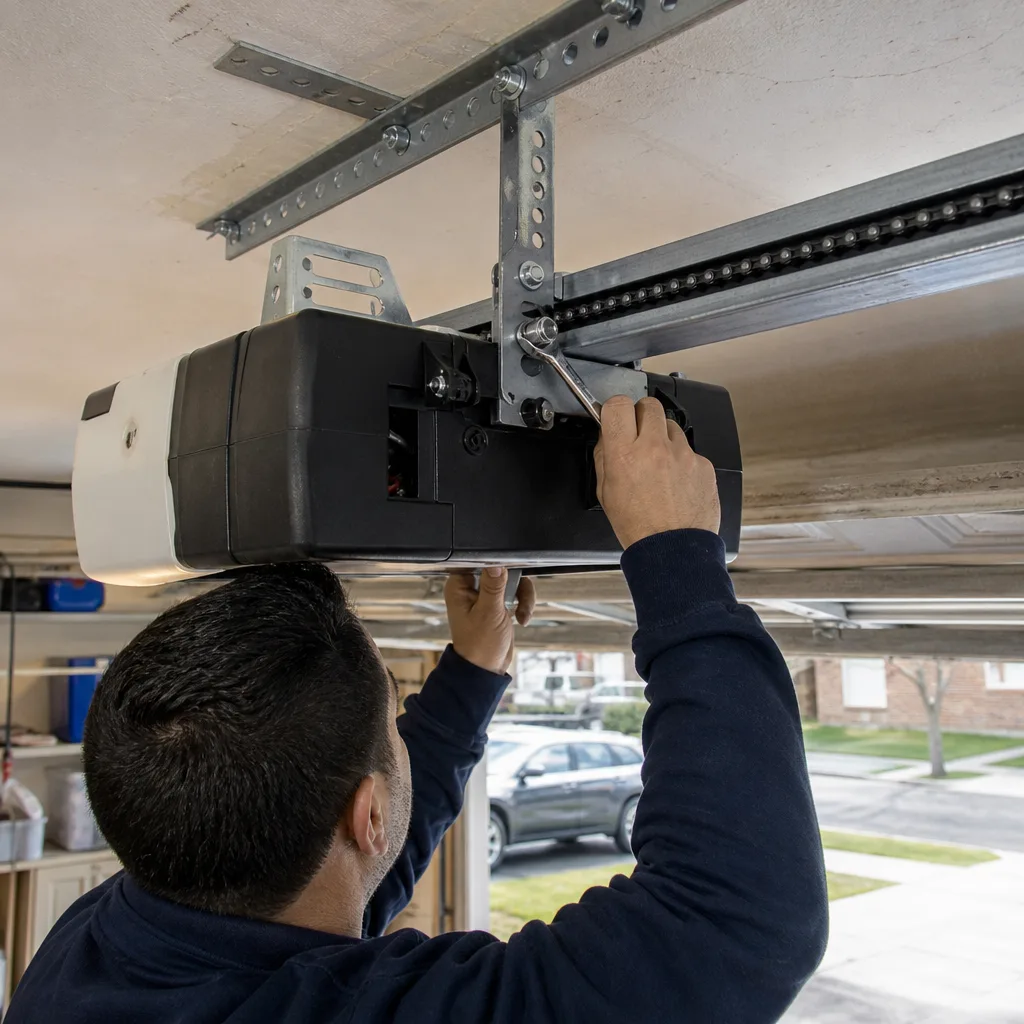
- LiftMaster openers
- Chamberlain openers
Table of Contents
- The Three Categories of Garage Door Emergency in Garfield Ridge
- How Do You Manually Release a Garage Door When the Opener Fails?
- What Do You Do When the Door Won’t Close and You Need to Leave?
- Is It Safe to Leave a Failed Door in Place, or Do You Call Immediately?
- What Do You Do When a Garage Door Freezes Shut in a Garfield Ridge Winter?
- What Information Should You Have Ready Before You Call?
- What Happens During a Power Outage?
- After the Emergency: What to Check Before You Relax
The Three Categories of Garage Door Emergency in Garfield Ridge
When we answer a call from a Garfield Ridge homeowner, the first thing we listen for is which category the call falls into. It changes what we tell you to do in the next five minutes. Not every failure is the same kind of problem, and treating them all the same is how a small issue becomes a big one.
1. Weather-related failures
Garfield Ridge gets cold winters with ice that binds the bottom seal to the concrete, and summer storms that can drive water under a poorly seated threshold. A frozen seal isn’t broken – it’s stuck. A door that struggles against ice all winter will eventually strain the opener, strip a gear, or snap a spring, and the damage shows up long after the freeze. Keep the threshold clear and the door will handle most winters without complaint.
2. Mechanical failure
This is the category that produces the spring snap, the snapped cable, the door that comes off one track, or the opener motor that hums without lifting. Mechanical failure is the emergency that most needs someone who knows how the door was built. Our technicians have up to 11 years of experience and specialize in torsion and extension spring systems – the most dangerous repair in the trade and the one generalists usually decline.
3. Security breach
A door that won’t close, or a door that’s been forced, leaves your home open. That’s a security problem even if the door itself isn’t dangerous. The right move is to secure the opening, not to force the door shut and damage the panel or track further.
How Do You Manually Release a Garage Door When the Opener Fails?
Every standard garage door opener has a red manual release cord and handle hanging from the trolley. Pulling it detaches the door from the opener so you can move the door by hand. It’s the single most useful emergency feature on the whole system – and the one most homeowners pull incorrectly. Here’s how to use it right, with the caveat that matters most: never pull the release unless the door is fully closed and you’re sure there are no broken springs or loose cables.
The correct manual override procedure
- Close the door first if it will move at all. The release should only be pulled when the door is down. Pulling it with the door open can let the door slam down.
- Look at the springs and cables before you touch anything. If a spring coil is broken (a visible gap in the coil), or a cable is loose or off the drum, stop here and do not attempt to lift the door. Tie it in place and call us.
- Grip the red handle firmly and pull straight down toward the floor with steady pressure, not a jerk. You’ll feel the trolley disconnect from the carriage.
- Lift the door by hand from the bottom edge only if no spring is broken and the door lifts with reasonable effort. If it’s heavier than half your body weight, stop.
- Prop the door safely if you need to leave it open. Never leave a manually released door sitting open above you without a brace or clamp.
Why pulling it incorrectly causes a second problem
If the door is open when you pull the release, the trolley can slide down the rail while the door hangs – then you can’t reconnect it, because the trolley and carriage don’t line back up. Reconnecting the trolley is a service call, not a DIY fix. The good news is that with the door down and the release pulled straight, the reconnection is usually simple once the door is repaired. We handle that reconnection as part of the visit, along with the reason the opener failed. If you’re not sure whether to attempt the release at all, call us first at (877) 492-2475 – a two-minute call can save a larger repair.
What Do You Do When the Door Won’t Close and You Need to Leave?
A door that won’t close leaves your home exposed. The right answer is not to force it, and it’s not to leave it open. Secure the opening with a manual slide bolt on the inside track, close the door by hand as far as it will go, then lock it in place until a technician arrives. It’s a temporary move that protects the house while it buys you the hours you need.
The temporary security sequence
- Release the opener correctly by pulling the red cord with the door down.
- Lower the door by hand until the bottom seal meets the floor. If it won’t meet the floor, don’t force it – something is out of line, and forcing it may bend a panel.
- Slide the manual bolt through the door’s side track and into the frame on each side. Most residential doors already have a lock bar or you can fit a simple slide bolt to the track for exactly this purpose.
- Check the doorway from outside – if there’s a gap at the bottom or side, note it and tell the technician when you call.
- Leave the opener disconnected so no one hits the remote and drags the door open with the bolts in place.
What not to do
Don’t wedge the door with a brick or a board and call it done – a door held open by a prop is not locked, and it’s a fall hazard. Don’t tape the photo-eye sensors together to fool the opener into running; that removes a safety feature and doesn’t fix the reason the door won’t close. And don’t keep hitting the remote hoping the door catches. Repeated attempts on a binding door can turn a small repair into a full replacement.
Is It Safe to Leave a Failed Door in Place, or Do You Call Immediately?
Some failures are safe to leave in place for a few hours with the door secured. Others need a professional call within minutes, not a weekend. The dividing line is whether the door is under control. Anything involving a spring, a cable, or a door off its track is a call-now situation, not a make-it-work situation.
Call immediately if you see any of these
- A broken spring. A gap in the coil means the door has lost its counterbalance and the full weight of the door is now on the opener, the cables, or you. Don’t lift it. Don’t run the opener.
- A cable off its drum. That cable can whip loose and is under heavy tension. Keep everyone clear, block the door, and call.
- A door hanging off one track, or a bent panel at the hinge. The door can drop or come the rest of the way out of the track. Don’t try to push it back in.
- An opener that hums but doesn’t move the door, with the door still attached. Stop running it. The motor is trying to lift the door and failing, which can strip the gear or burn out the opener.
- A door with a gap or a panel that’s come loose after a storm. Water and wind get in fast, and the panel can fail further.
Safe to secure and wait for a scheduled estimate
- A dead opener or a snapped belt with the door balanced and closed – secure it, call, and get a written quote the same week.
- Photo-eye sensors knocked out of line – the door won’t close, but it’s not dangerous. Secure it and schedule a repair.
- A remote or wall button that’s stopped responding – usually a battery or a wiring issue. Safe to leave closed.
If you’re not sure which side of that line you’re on, call us. We’ll ask a few questions about the door’s condition and tell you honestly whether to wait or secure it. A free estimate is all it takes to get the answer.
What Do You Do When a Garage Door Freezes Shut in a Garfield Ridge Winter?
When the bottom seal has bonded to the concrete and the opener is straining to lift a frozen door, the correct move is to disconnect the opener from the door before it strains any further. Ice is strong. The opener’s gear is the weakest part of that fight, and a burned-out motor is a more expensive fix than a thawed seal. Garfield Ridge winters make this a repeat problem for doors that face north or sit under a dripline.
What to do (in order)
- Pull the manual release with the door down so the opener stops fighting the ice.
- Break the ice without force. Warm the bottom seal by pouring warm – not boiling – water along the floor line, or use a heat lamp safely away from the door. Never chip at the ice with a shovel or a hammer; the bottom panel dents and the seal tears.
- Clear the threshold of snow and refrozen slush once the door is loose.
- Reconnect the opener once the door lifts freely, and re-engage the trolley.
- Test the door through one full open-and-close cycle, watching the seal to make sure it doesn’t catch again.
What not to do
Don’t keep pressing the opener hoping the ice gives way – that’s how gears strip and the motor overheats. Don’t pull the door by the bottom edge with the opener still attached; you’re pulling against the motor and the springs at once. And don’t leave the door partly open above a frozen threshold, because the ice can catch the seal on the way back down and tear it.
A frozen seal is a weather problem, not a door problem, and it will keep happening every winter until the seal is replaced, the threshold is leveled, or the track is aligned. That’s a job we cover as part of garage door repair, and it’s worth doing before the next freeze rather than after.
What Information Should You Have Ready Before You Call?
The faster we know what door and opener you have, the faster a technician arrives with the right parts. Calls with four details handled in minutes; calls without them turn into a second visit. Before you dial, take five minutes to gather four facts.
Have these four details ready
- Door size. Measure the width and height of the door at the inside face of the frame. A standard single door is usually around 8 to 9 feet wide; a double is closer to 16 feet. Write it down.
- Opener model. Look at the housing on the ceiling for the make and model label. LiftMaster, Chamberlain, Genie, Craftsman – we work on all of them and know the parts. Knowing whether it’s a belt, chain, or screw drive helps.
- Spring configuration. Note whether you have a torsion spring (a horizontal spring mounted on a metal shaft above the door) or extension springs (coils alongside each side track). If torsion, count the springs on the shaft – one or two – and note any color banding.
- What the door is doing. “Won’t close,” “spring gap,” “hangs on one side,” “grinding on the way up” – describe it in your words. You don’t need to diagnose it.
Why this matters
We carry parts for the brands most Garfield Ridge homes rely on, and the technician packs for the job described rather than the job assumed. We work with the door and opener you already have, including Amarr and Wayne Dalton doors and Raynor or LiftMaster operators – you don’t have to rip out a working opener just because it’s a different make than we stock most often. If we need a part we don’t carry, knowing the exact model means the technician brings it on the first visit instead of a second one.
What Happens During a Power Outage?
A garage door opener doesn’t operate without power, and no opener lifts a door with the battery dead. If the power goes out and you need to leave, pull the red release cord with the door closed, lift it by hand if the springs are intact, and prop or clamp it safely. When the power is back, the door will reconnect to the trolley on the first open cycle.
The outage checklist
- Check the springs first. A power outage doesn’t cause a spring failure, but if a spring was already broken, the door won’t lift by hand. Don’t force it.
- Use the manual release only with the door fully closed.
- Close the door behind you. An open garage door in a power outage is an invitation for a security problem.
- Don’t leave the opener in a running state when the power restores. Run the door through one full cycle to confirm the trolley reconnected.
If your opener has a battery backup, it will lift the door once or twice before you need to release it. Either way, the manual release is the fallback that always works. If the power returns and the door still won’t run, that’s a call for garage door opener repair, and we’ll diagnose it rather than guess.
After the Emergency: What to Check Before You Relax
Once the immediate problem is handled, a quick inspection is what prevents the next call. Most emergency failures leave a smaller issue behind – a track out of line, a sensor knocked out, a seal torn by ice. Catching that in five minutes saves a lot of future frustration.
Run this five-point check
- Watch the door through a full open and close. It should move evenly on both sides with no hesitation.
- Check the balance. With the opener disconnected, lift the door to halfway and let go. A balanced door stays put. A door that falls means the springs are out of balance.
- Test the safety reverse. Place a roll of paper towel or a 2×4 flat on the floor in the door’s path and close the door. It should reverse on contact.
- Check the photo-eye sensors. Wave an object between them while the door is closing; the door should reverse. If it doesn’t, the sensors are misaligned or dead.
- Look at the tracks and rollers. Any bend, any roller out of the track, any grinding sound means a repair is due, not optional.
If the check turns up a problem, we’d rather see it now than after it fails on a Sunday. That’s the same visit that handles the original issue – one diagnostic, one written estimate, one repair.
See the difference
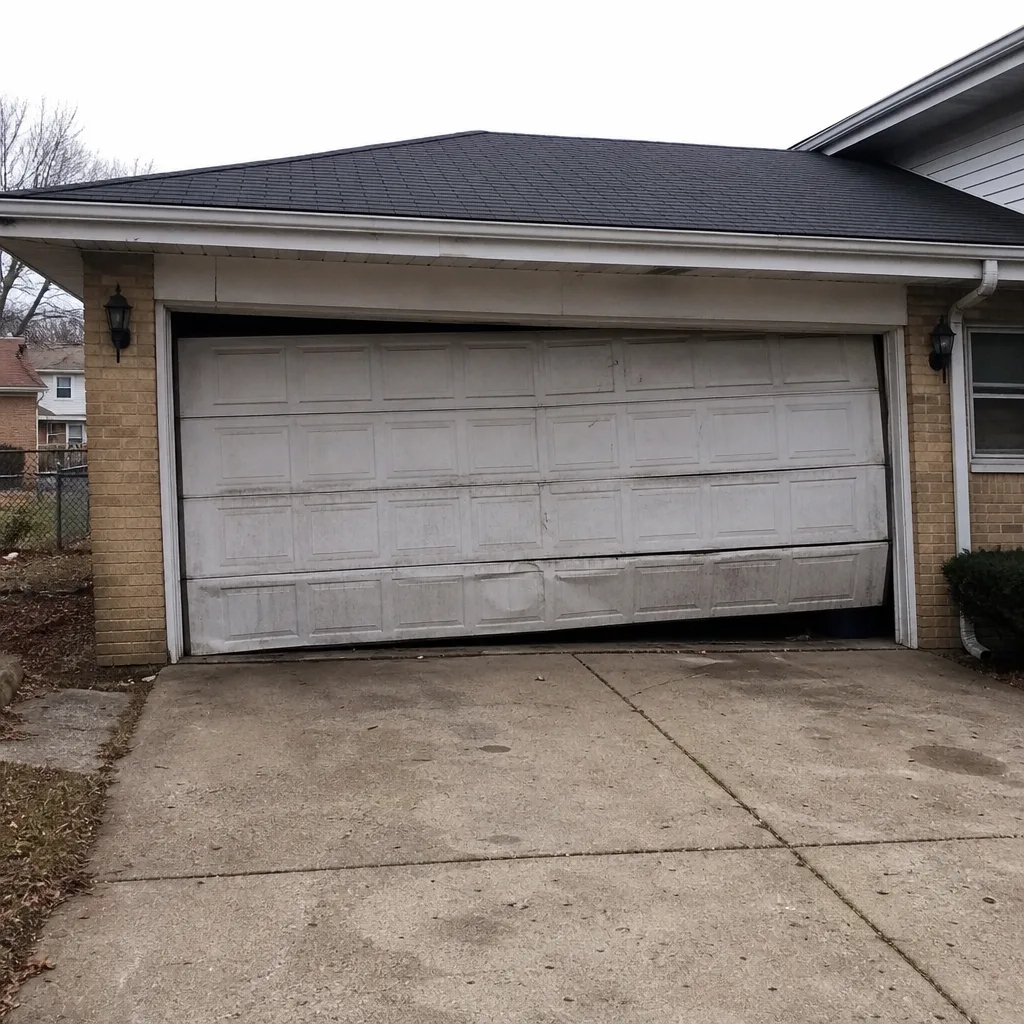 Before
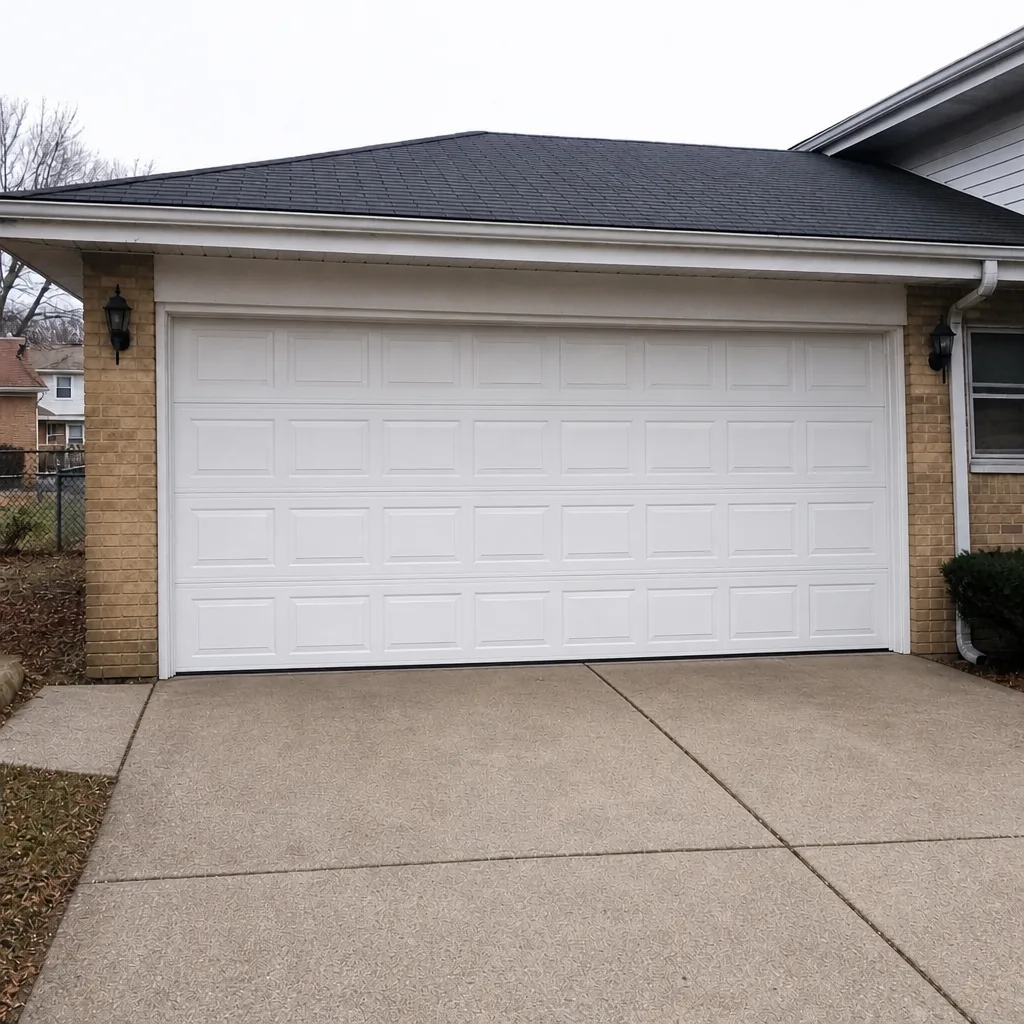 After
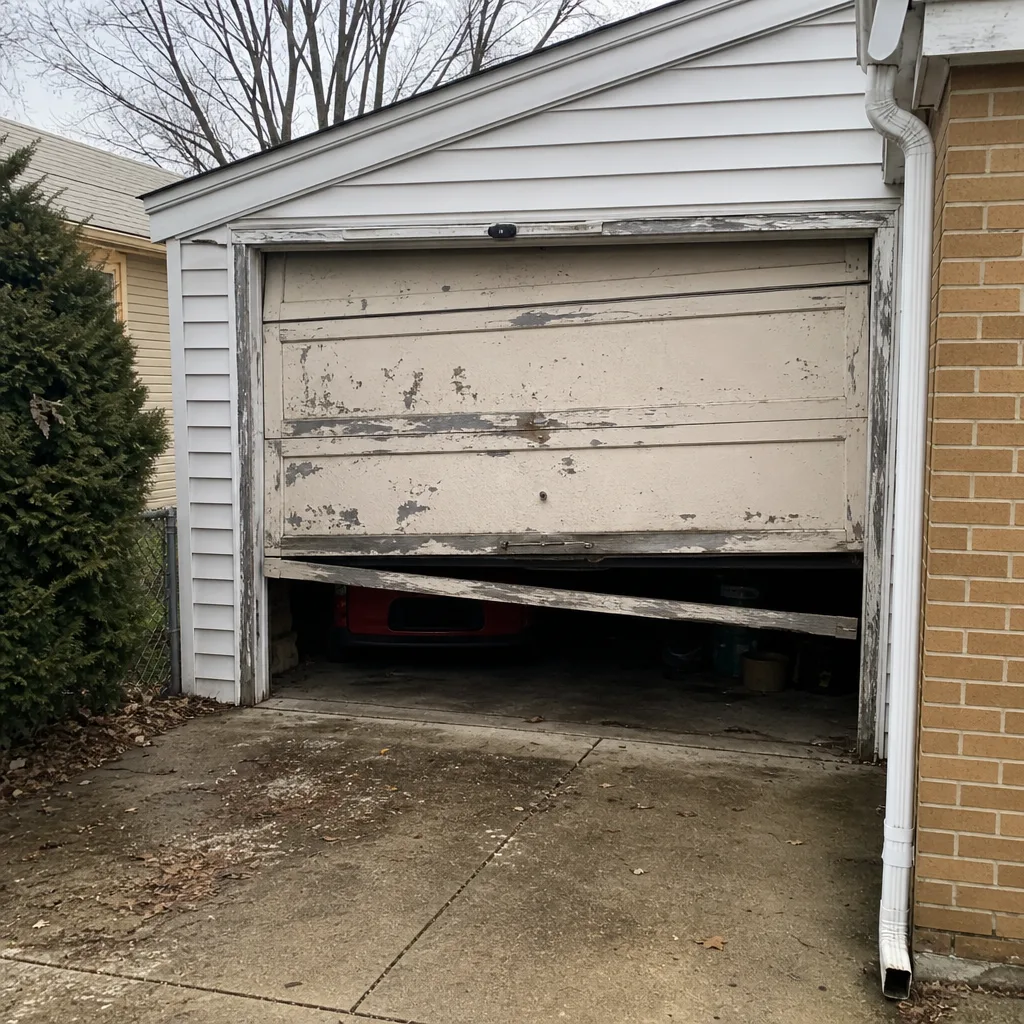 Before
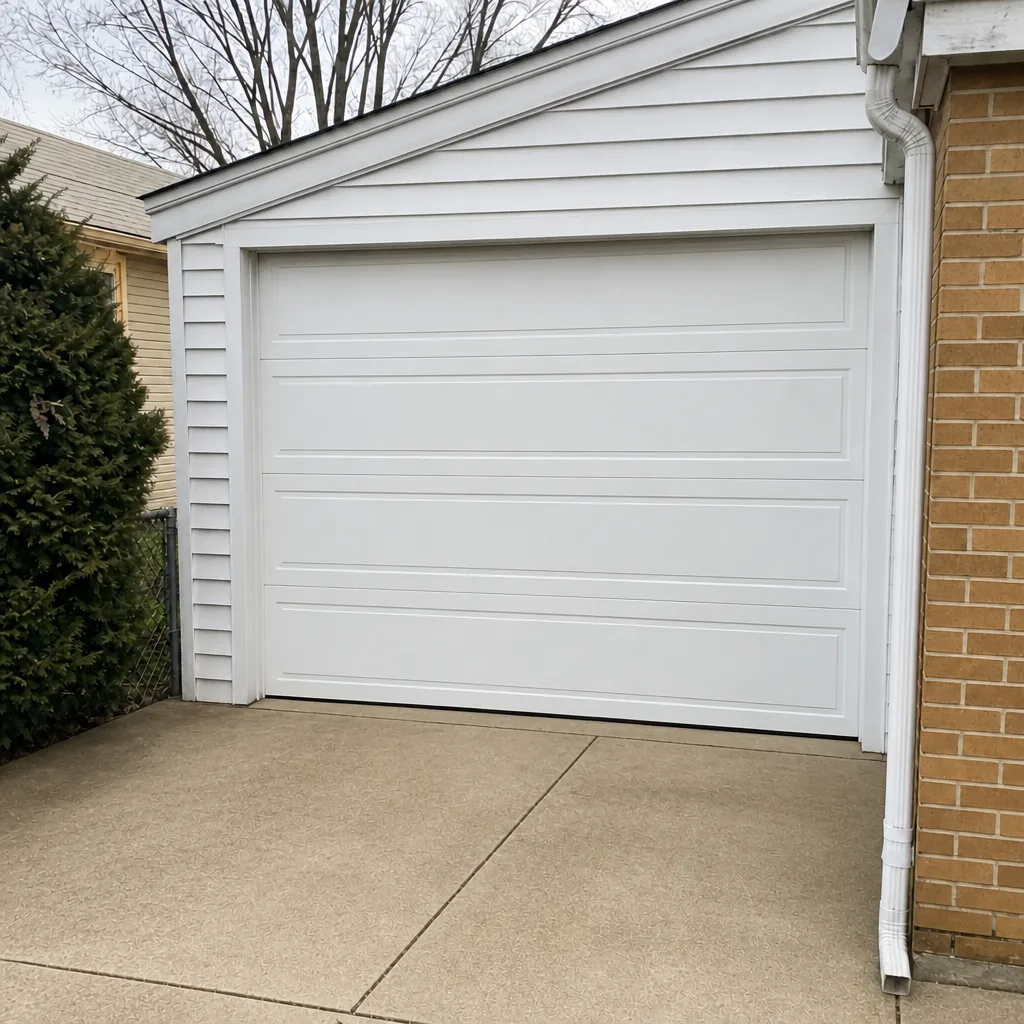 After
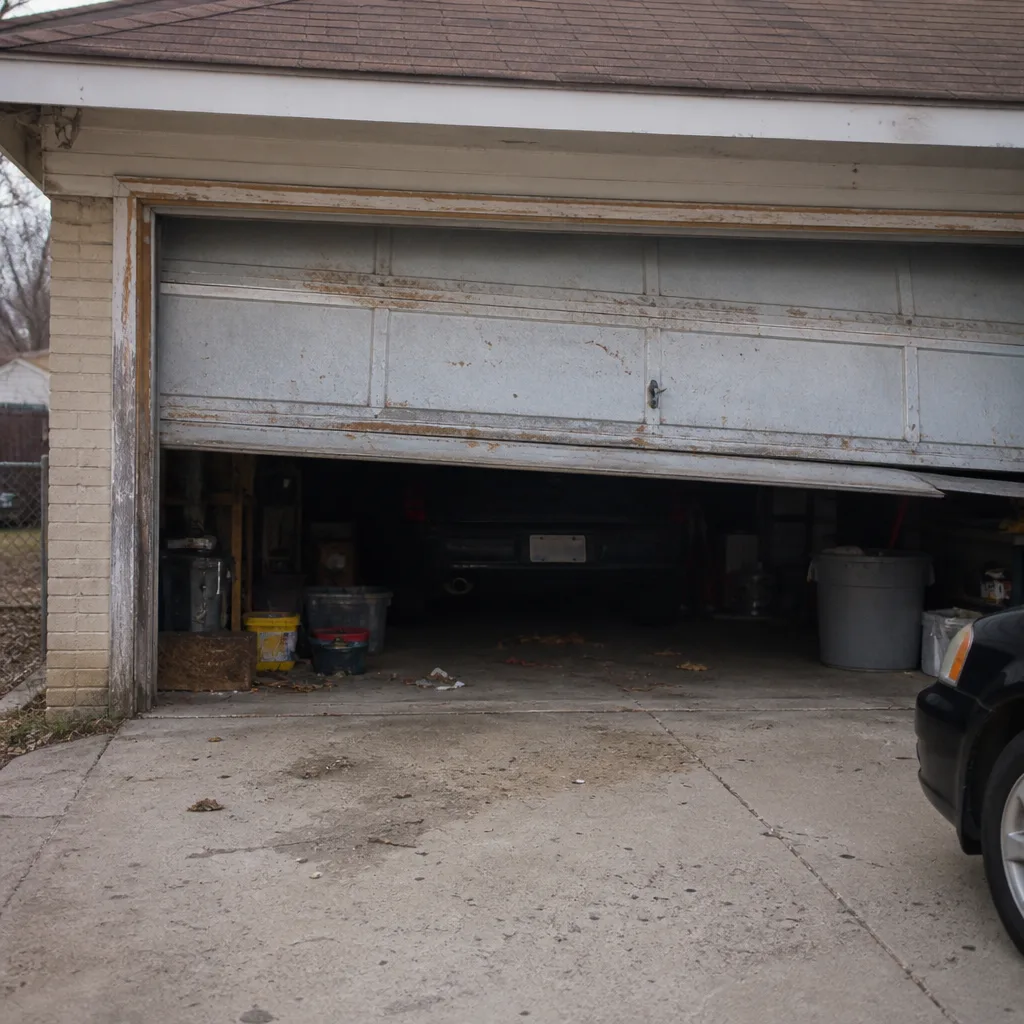 Before
 After
Common Mistakes to Avoid
- Pulling the release cord with the door open. It’s the most common reason a simple opener failure turns into a trolley reconnection call. Always close the door before pulling the red handle.
- Forcing a door with a broken spring. Once a spring snaps, the door’s full weight is on the opener and cables. Running the opener grinds the gear and can drop the door. Stop and call.
- Chipping at a frozen bottom seal. A hammer or shovel on the seal guarantees a torn bottom panel and a bigger bill. Warm the seal with warm water and be patient.
- Taping over the photo-eye sensors. It’s tempting when the door won’t close, but taping the sensors disables a safety feature and conceals the real problem. It also leaves the door in a state where it can close on a person or pet.
- Wedge the door shut and hoping. A brick or board isn’t a lock. A slide bolt through the track is.
- Calling without the door size and opener model. A technician who knows what they’re walking into brings the right parts on the first visit. Without that, the fix can wait.
- Using a generalist for a spring or cable job. Springs and cables are the highest-risk repair in the trade, and many handymen decline or subcontract them. A garage door specialist handles them as a frontline service with the right training and tools.
When to Call a Professional
Call a professional immediately for a broken spring, a cable off its drum, a door off its track, a bent panel that’s lost structural shape, or any situation where the door is heavier than it should be or hanging at an angle. These are not DIY jobs – springs and cables store dangerous tension, and a door that drops can cause serious injury. Also call when the opener hums without lifting, when the door reverses on its own, or when a remote no longer works after a battery change. For cleaning, lubrication, and sensor realignment, you can usually wait for a scheduled visit. Garage Door Repair Garfield Ridge offers free estimates in Garfield Ridge – call (877) 492-2475. We answer 24/7. Fast dispatch from 7am to 7pm, Sunday through Friday.
Frequently Asked Questions
What do I do first when my garage door spring breaks in Garfield Ridge?
Stop using the door and don’t try to lift it by hand. A broken spring means the full weight of the door is on the opener and cables. Secure the door closed, keep everyone clear, and call a garage door specialist – spring repair is the most hazardous repair in the trade and needs a trained technician. Garage Door Repair Garfield Ridge hand