
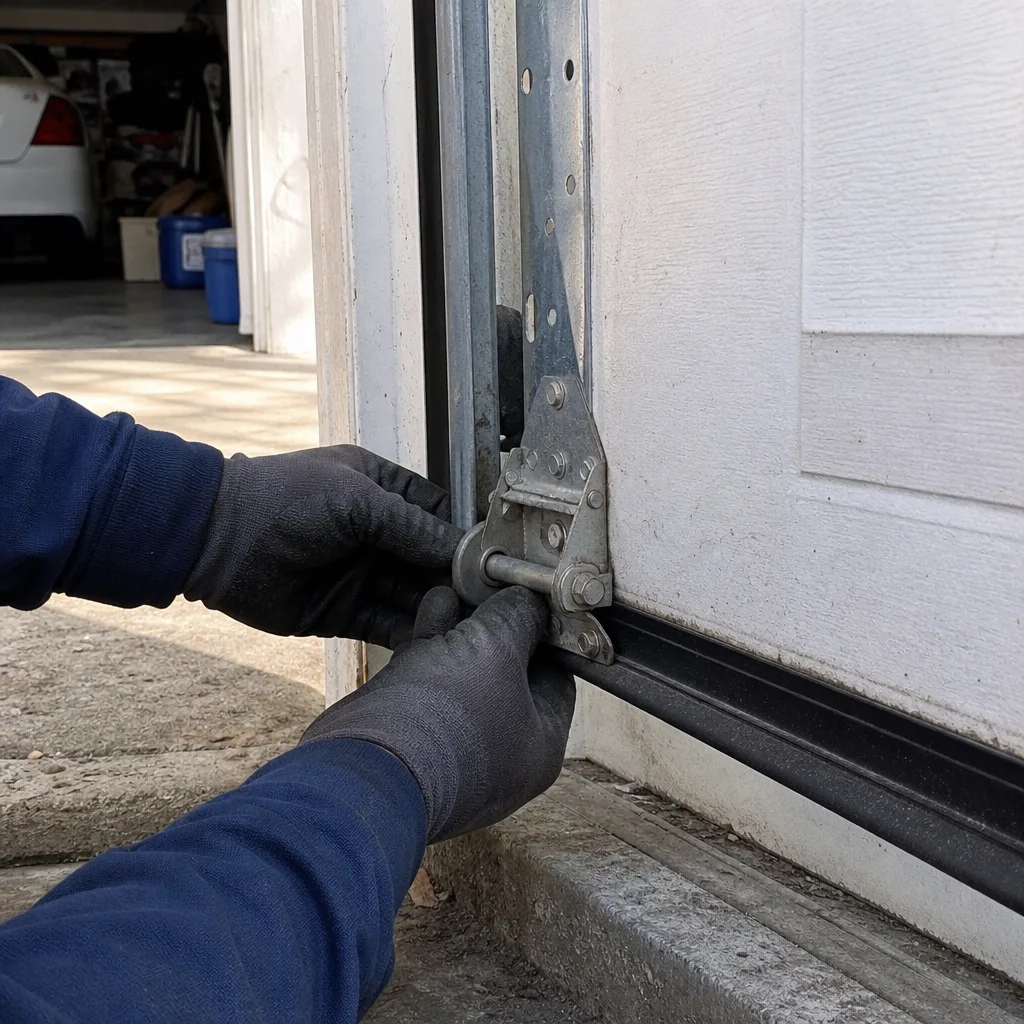
Last updated November 21, 2026
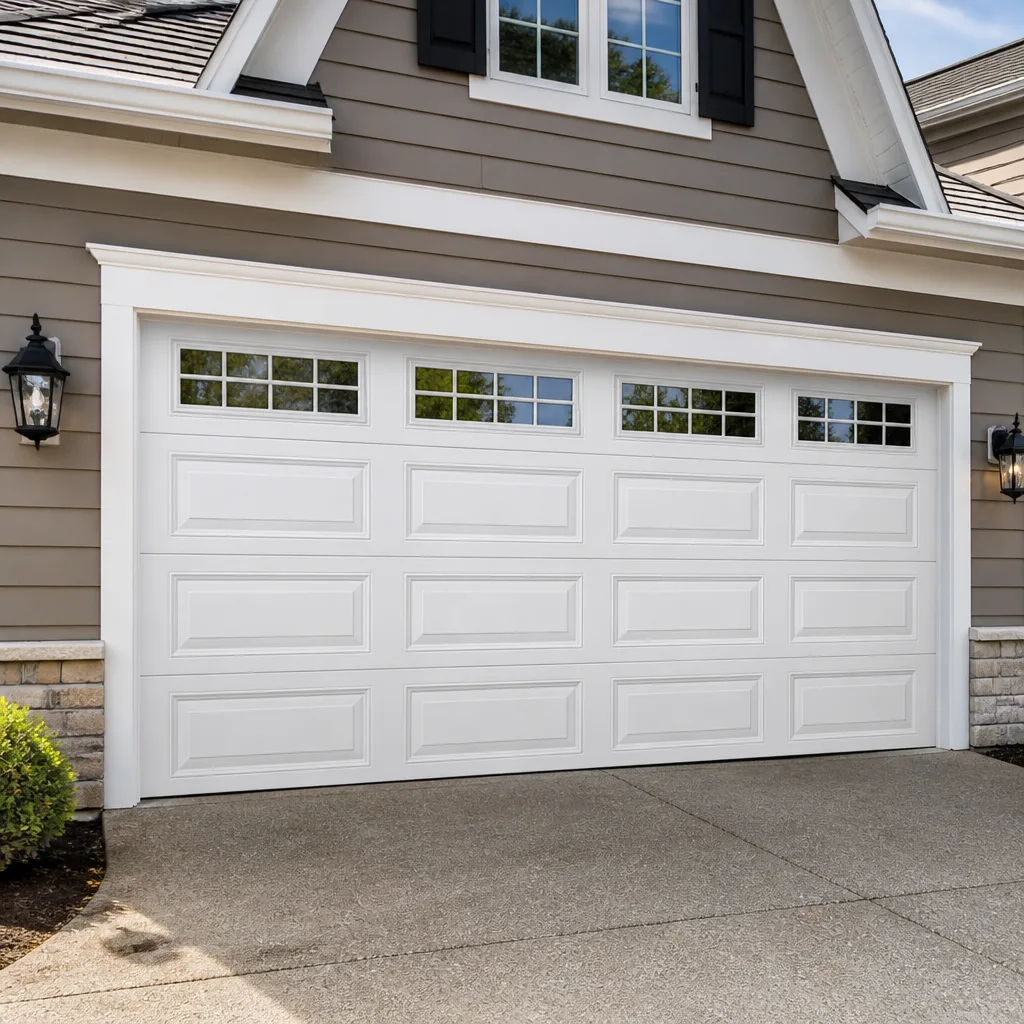 Raised-panel steel
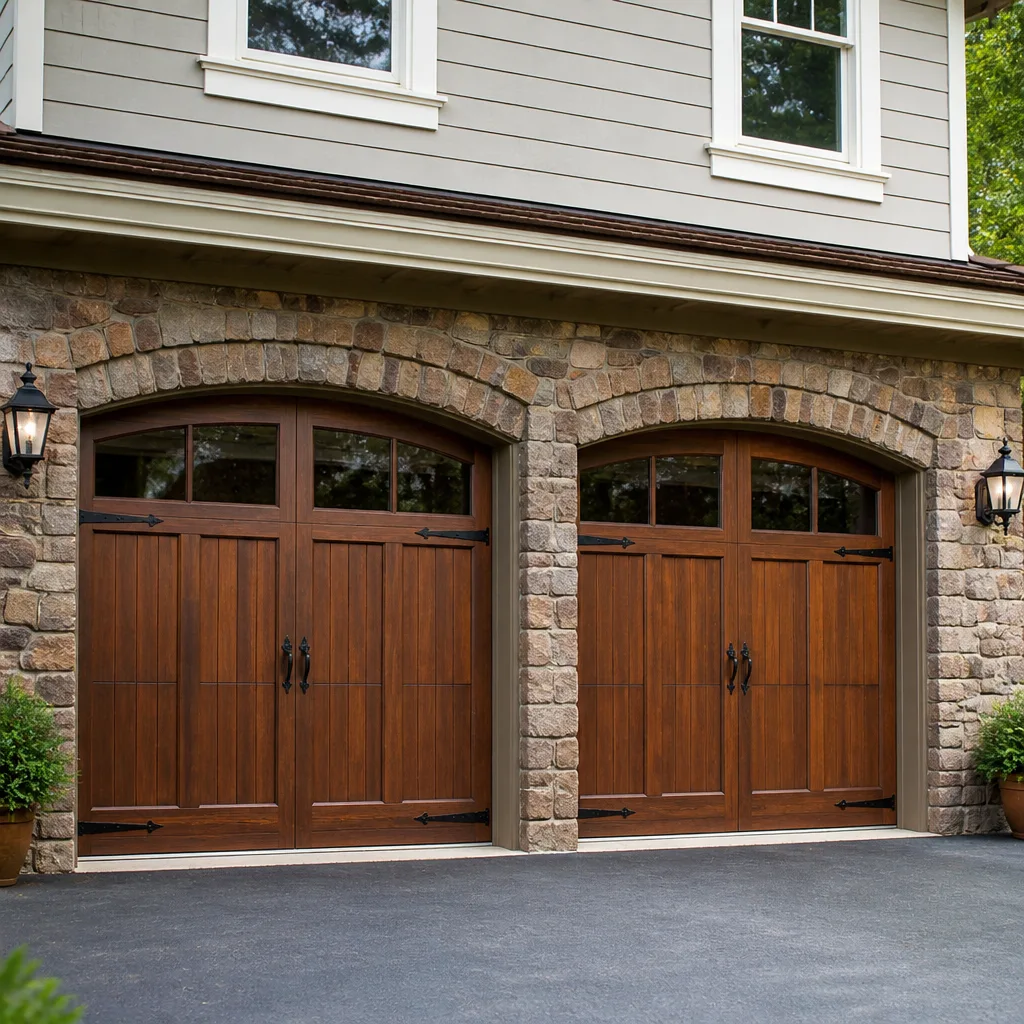 Carriage house
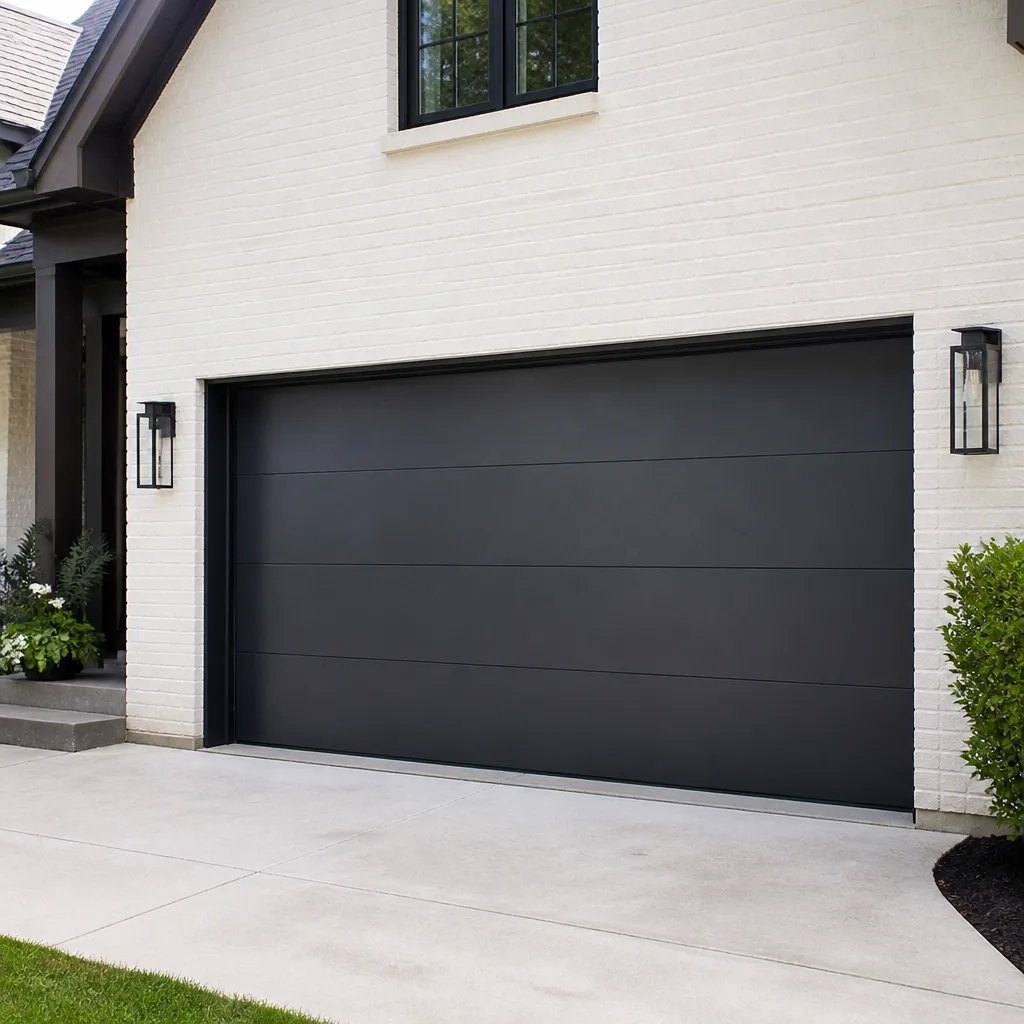 Modern flush
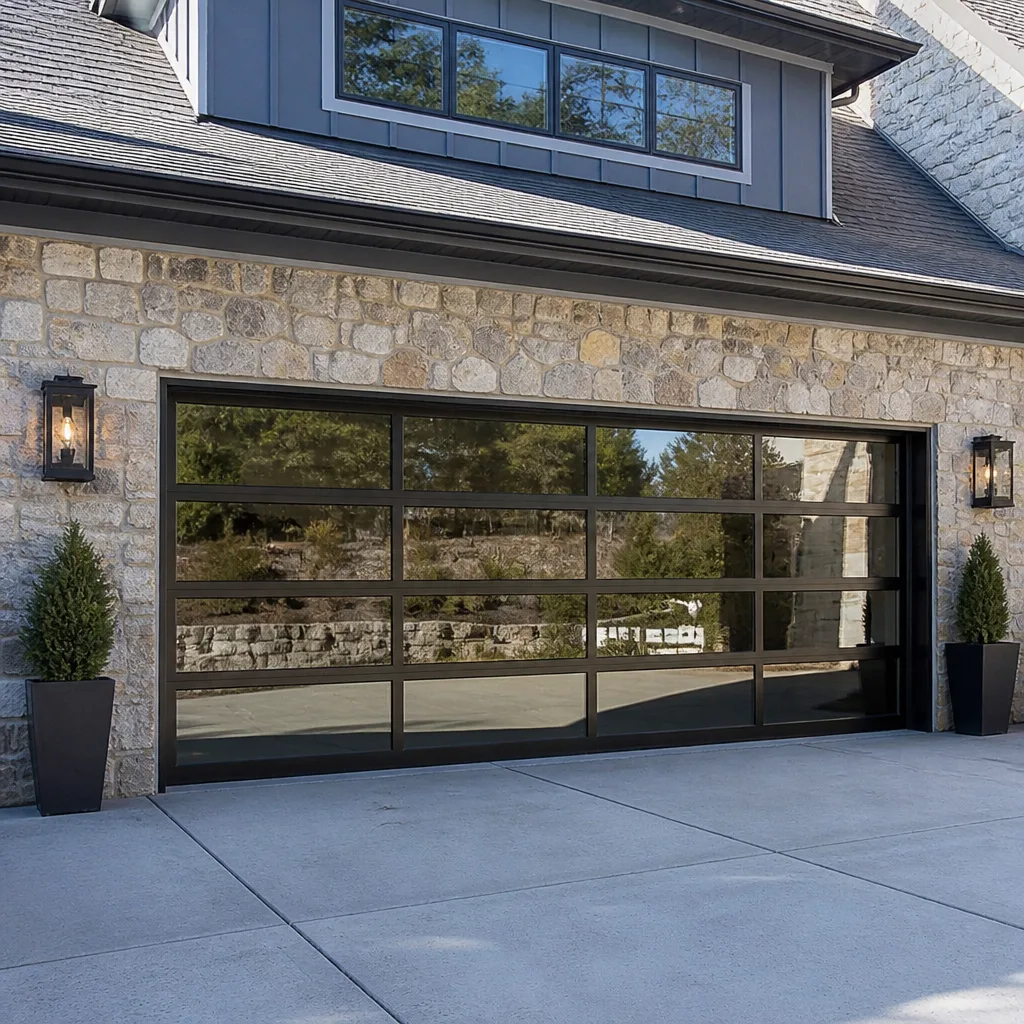 Full-view glass
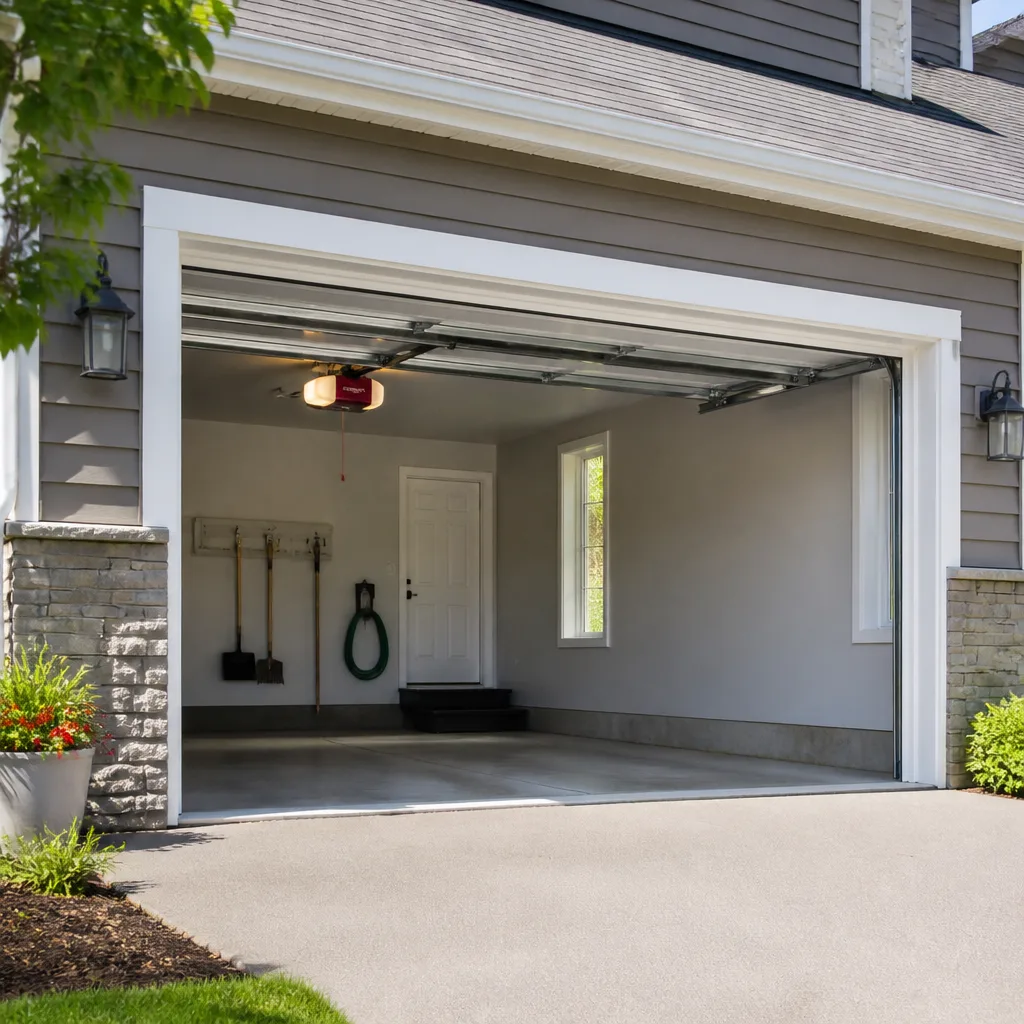 LiftMaster openers
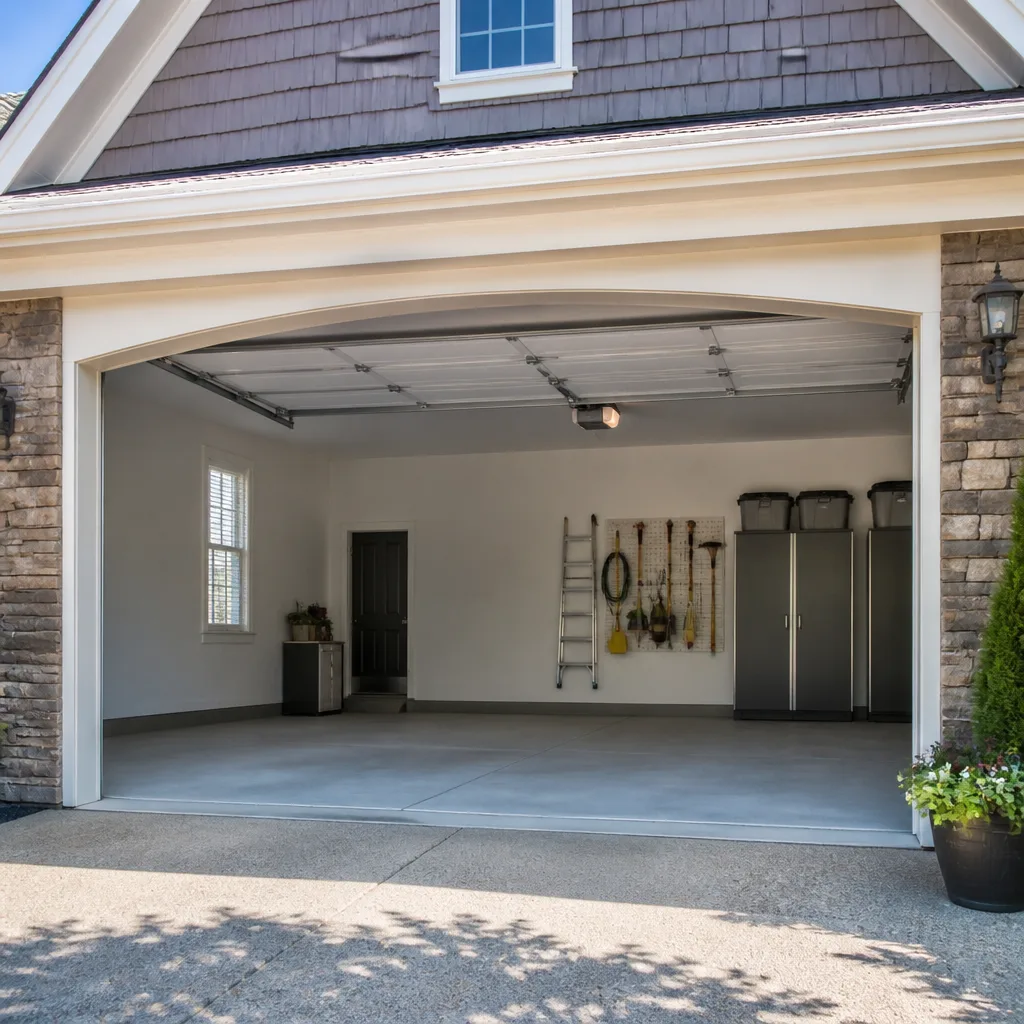 Chamberlain openers
Full 25-point door and opener safety check with every visit - springs, cables, rollers, tracks, and your LiftMaster or Chamberlain opener included
You get a price before we start. It does not change when the pro arrives.
Get your free estimateChoosing the Right Garage Door Brand: A Buyer’s Guide for Garfield Ridge
Two garage doors can leave the same factory with the same logo stamped on the box and still differ by more than a decade in how long they last. The brand name tells you who built it. It tells you almost nothing about the steel gauge, the insulation method, or the cycle rating on the springs – and those three specs are what actually decide whether a door still runs quietly and evenly twelve winters from now. This guide is written for buyers in Garfield Ridge who want to sort out what matters from what’s marketing. We’ll walk through the specs that predict longevity, how the major brands stack up in their mid-tier lines, how Chicago’s freeze-thaw cycle works against certain builds, and what a “lifetime warranty” really covers.
Quick Answer
The right garage door brand for your Garfield Ridge home is the one whose specific product line gives you the steel gauge, insulation construction, and spring cycle rating your garage actually needs – not the brand with the best-known name. For most attached garages in Chicago’s climate, that means a two-layer or three-layer door using injected polyurethane insulation, at least 25-gauge steel, and torsion springs rated for 15,000 cycles or more. Evaluate the spec sheet, not the logo.
Styles & brands we work with
- Raised-panel steel
- Carriage house
- Modern flush
- Full-view glass
- LiftMaster openers
- Chamberlain openers
Table of Contents
- The Three Specs That Actually Predict How Long a Door Lasts
- How the Major Brands Compare in Garfield Ridge
- Why Insulation Method Beats R-Value in Garfield Ridge
- Matching Brand Tier to Your Garage Type
- What “Lifetime Warranty” Actually Covers
- Seven Steps to Evaluate a Door Before You Buy
- Openers Are a Separate Brand Decision
- Common Mistakes to Avoid
- When to Call a Professional
The Three Specs That Actually Predict How Long a Door Lasts
A brand is a promise about how its products are generally built. A spec sheet is the part that’s specific to your door. When we evaluate a door for a Garfield Ridge homeowner, we look at three numbers before we look at the name on the front. Each one has a much larger impact on lifespan than the brand label does.
1. Steel gauge
Sheet metal is measured in gauge, and lower numbers mean thicker steel. On residential garage doors, you’ll see 24-gauge, 25-gauge, and occasionally 26-gauge listed on spec sheets. Twenty-four gauge is meaningfully stiffer than twenty-five. That matters most on doors wider than a single car, where thinner panels flex under wind load and start to bow at the center. A bowed panel pulls away from the weather seal, and warmth escapes the way water finds a crack. Over several seasons, that flex also works the hinges and rollers harder, so hardware wears faster. Two doors from the same manufacturer can differ between 24-gauge and 25-gauge depending on the tier.
2. Insulation construction
There are two common ways to insulate a residential door. Polystyrene board is a panel of foam glued inside the door’s frame. Injected polyurethane is pumped into the cavity between the front and back steel skins while it’s liquid, then expands to fill every gap. The difference isn’t just thermal. Injected polyurethane bonds the front and back skins into a single structural sandwich, which noticeably stiffens the door. Polystyrene adds a layer of insulation and nothing else to the panel’s rigidity. On attached garages in cold climates, this structural difference is what we care about most (see the insulation section below).
3. Torsion spring cycle rating
Garage doors are lifted by torsion springs, and every spring has a cycle rating – how many open-and-close cycles it’s expected to survive before it fails. Cheap springs are rated for around 10,000 cycles. Standard springs are typically rated for 15,000. Higher-tier doors use springs rated for 20,000 or 25,000 cycles. A family that uses the garage door four times a day is looking at roughly 1,460 cycles a year. Do the math on 10,000 versus 25,000 cycles and you’ll see a spring that fails in under seven years versus one that could run fifteen. The spring is the single most likely failure point on any door, and the cycle rating on the spec sheet is a better predictor of your next decade of service than any brand name.
These three specs work together. A thick panel means the springs work less on each lift. Structural insulation means the door stays square, so the springs pull evenly. Higher cycle ratings mean the springs outlive everything around them. A door is only as good as its weakest spec, so look at all three before you decide.
How the Major Brands Compare in Garfield Ridge
We work on the brands Garfield Ridge homeowners already have, which means we’ve seen which tiers hold up in this climate and which start to show their age first. The comparison below is about the general character of each brand’s residential lines – where they tend to lead and where they cut corners. Every one of these manufacturers makes both a value line and a premium line, and the difference between the two is usually larger than the difference between brands.
Clopay and Amarr: steel-first construction
Clopay is one of the most common brands on Chicago-area homes, and its product line runs from entry-level single-layer doors up through fully insulated three-layer doors. Its premium residential lines tend to use 24-gauge steel and injected polyurethane, and they hold up well in freeze-thaw. Its value lines use polystyrene and thinner steel – still a fine door for a shed or detached garage, but not the one to put on an attached garage that’s part of your heated envelope. Amarr follows a similar tier ladder, and its higher-end doors are often the stiffest on the market for their width. On Amarr’s mid-tier doors, you’ll find injected polyurethane on some series and polystyrene on others, so read the spec sheet for the exact model rather than the brand.
Wayne Dalton and Raynor: pragmatic mid-tier
Wayne Dalton has a large footprint in the Chicago market, and its doors are generally well-built across tiers. Where it cuts corners is the same place everyone does – springs. Mid-tier Wayne Dalton doors often ship with springs rated at the lower end of the range, which is the first thing to fail. Raynor (including its Chicago-area lines) is quietly durable and tends to spec higher cycle springs on its premium doors than you’d expect at the price, which makes it a good fit for a door a household opens several times a day. Both brands are solid across value and premium tiers; the spec sheet still tells you more than the sign on the box.
LiftMaster, Chamberlain, and Craftsman: mostly separators
These three names come up in the same breath as door brands, but they are primarily opener manufacturers. LiftMaster is a professional-grade opener brand with a full residential line. Chamberlain is its consumer twin, sold through retail, and shares a lot of internal design. Craftsman is the retail house brand that has been on garage openers for decades, and it remains very common in older Garfield Ridge garages. When you’re shopping for a new door, don’t let opener branding drive the door decision – they’re separate systems, and a door spec sheet never lists the opener brand because they’re chosen independently. Our garage door opener repair team handles all three regularly, so the opener you already own is not a reason to change door brands.
Why Insulation Method Beats R-Value in Garfield Ridge
R-value is the first spec most buyers learn, and it’s the one that gets quoted loudest in showrooms. R-value measures how well insulation resists heat flow: higher is better. What the number doesn’t tell you is how the insulation is constructed, and for Garfield Ridge’s climate, construction matters as much as the number.
Here’s why. Chicago’s winters bring dozens of freeze-thaw transitions and driving snow that pushes against the door face. An attached garage shares at least one wall, often two, with the heated part of a home, and the door itself is the largest single opening in the envelope. When the door is a thin single-layer panel or a polystyrene-insulated door, the panel can flex under wind load and thermal cycling. Flexing pulls the weather seal away from the frame and cracks open the small gaps where heat escapes. Injected polyurethane behaves differently because it’s bonded to both steel skins – the door becomes a cohesive sandwich panel, not a frame with foam inside it. It holds its shape through freeze-thaw far better than polystyrene over the life of the door, and the stiffness reduces the load on hinges, rollers, and springs.
Some polystyrene doors advertise a high R-value. Read the number carefully, then ask how the door is constructed. A high R-value on a door that bows and loses its seal after a few winters is not a good investment in this climate. For a Garfield Ridge attached garage, the order of importance is: injected polyurethane construction, then 24-gauge steel, then R-value. The structural benefit of the injection pays you back in fewer repairs and a door that stays square.
For a detached garage – no shared wall, no heated envelope to protect – a polystyrene door at a lower R-value can be a smart pick. You’re insulating the garage against cold, not sealing it to protect the house, and stiffness matters less because the door isn’t doing double duty in your home’s thermal envelope. Spending the polyurethane premium on a detached garage is spending money on a benefit you don’t collect.
Matching Brand Tier to Your Garage Type
The same brand offers three or four tiers for one reason: different garages call for different specs. Here’s how we’d match tier to use case for a typical Garfield Ridge home.
Attached two-car garage serving as the home’s thermal buffer
Go to the upper tier. That means injected polyurethane, at least 24-gauge steel, and torsion springs rated for 20,000 cycles or more. This garage shares walls with your house, so panel flex, seal gaps, and a mid-winter spring failure are all problems that hit you directly. The premium tier costs more up front and lasts long enough to be the cheaper door over its life.
Attached single-car garage on an older brick home
Most Garfield Ridge bungalows and ranches have a single-car attached garage that was never well insulated. A mid-tier polyurethane door with 25-gauge steel is a reasonable choice here – it stiffens and insulates without paying for a premium panel on a garage whose other walls are still thin. Upgrade the weather seal around the frame at the same time. The seal matters more than the second R-value you’d get from dropping to a value-tier door.
Detached garage or alley-facing garage with no heat
A value-tier or mid-tier polystyrene door is fine. You’re keeping wind and weather out, not weatherproofing a living space. Put the money into higher cycle-rated springs instead of a premium panel – the springs fail before the panel does, and a higher cycle rating is the cheapest way to buy a longer service life on a door in this category.
Light-commercial garage or multi-unit property
Skip the residential tiers. Talk to a specialist about a commercial-rated door with a substantially higher spring cycle rating, heavier steel, and hardware built for daily use. A residential door on a busy commercial or multi-family entrance wears out at a fraction of its expected lifespan, and a specialist should walk the space before recommending a model.
What “Lifetime Warranty” Actually Covers
A “lifetime warranty” is one of the most confusing phrases in the garage door market, because each brand defines “lifetime” differently and excludes different parts. A warranty you can’t read the exclusions of isn’t a warranty yet – it’s a promise you haven’t checked yet. When you compare doors, compare what the warranty actually covers, line by line.
The typical exclusions to look for:
- Springs are almost always excluded, or capped at a cycle count. A “lifetime” warranty on a door usually does not cover the torsion springs that lift it. If springs are covered, the coverage is typically limited to a specific cycle rating and only for a limited time. This is the single most important line to read.
- Finish fading and paint are often excluded after a few years. A door on a south-facing Garfield Ridge garage gets years of UV and thermal cycling. Many warranties cover the finish for a limited term, or exclude fading entirely. Ask specifically.
- Hardware is covered on a short clock. Rollers, hinges, and bearings take the most daily wear and carry the shortest warranty windows – often a few years at most.
- Labor is usually separate. A “lifetime warranty” on parts doesn’t usually include the labor to install the replacement part. That’s a real number to know before you buy.
- Transferability may be limited. Some warranties stay with the door for the life of the home; some only transfer to a new owner within a short window. If you might sell, ask before you buy.
The practical way to read a warranty: find the spring cycle line, the finish-fading line, and the hardware line. If a door’s springs are rated for 15,000 cycles with no coverage and the door itself is covered for life, the “lifetime” is doing most of its work on the part that rarely fails. Frame it that way in your comparison and the marketing fades.
Seven Steps to Evaluate a Door Before You Buy
- Ask for the spec sheet, not the brochure. The brochure says “insulated steel.” The spec sheet says the gauge, the insulation method, and the spring cycle rating. Get the sheet.
- Identify the exact model tier. Every brand’s line has value, mid, and premium doors that share a logo. Write down the exact model code and compare against that – not against the brand’s reputation.
- Check the gauge against the door width. A single-car door can use 25-gauge. A double-car door, especially in a windy alley position, is much better served by 24-gauge.
- Confirm the insulation method from the spec. “Steel-backed” and “sandwich” are not the same as “injected.” Ask specifically whether the insulation is injected into the cavity or a board laid inside the frame.
- Read the spring cycle rating. Anything under 15,000 cycles on a door used daily in Garfield Ridge is a door you’ll be calling a technician about within a decade.
- Match tier to your garage type. Attached, heated, or thermal-buffer garage: upper tier. Detached or unheated: mid or value tier, with upgraded springs.
- Get a written estimate covering parts and labor. A door quote should name the door model, the springs, the opener interface, and the labor to remove the old door and install the new one. Written price, agreed before work starts. That’s the number you’ll actually pay.
If you’re still choosing between doors and want a professional read on the specs, that’s what our garage door installation team does on every quote. We’ll walk the garage, look at the framing and the header, and tell you which specs actually matter for the space you have – not hand you a brand catalog.
Openers Are a Separate Brand Decision
Your door and your opener are two separate systems, and the brands don’t have to match. A LiftMaster opener runs a Clopay door perfectly well, and a Chamberlain opener on a Raynor door is a completely ordinary pairing. What matters is that the opener was sized correctly for the door’s weight and clearances when it was installed.
Two things to check when you’re making door and opener decisions together:
- Weight and balance. A new door should be balanced so a person can lift it comfortably by hand with the opener disengaged. That balance determines how hard the opener has to work. An injected-polyurethane door is heavier than a polystyrene door of the same size; a pre-existing opener may or may not be rated for the new door’s weight. Check before you buy.
- Connection standard. Most modern openers from LiftMaster, Chamberlain, and Genie use a common safety-reverse standard, but older Craftsman units can predate it. If you’re keeping the opener and changing the door, have the opener checked against the new door’s clearances and reversal setting. If you’re replacing the opener, any of the common brands will run any of the doors we’ve covered.
When an opener starts misbehaving, the fix is often a transmitter, a gear, or a reversing sensor – not a new opener. Our team handles that work alongside the door as part of our garage door repair service, so the door and the opener get looked at together rather than by two different trades.
Common Mistakes to Avoid
- Buying on brand name alone. The premium tier and the value tier of the same brand are different products. If the quote says only “a Clopay door,” ask which Clopay. The spec sheet on the cheap line and the premium line don’t resemble each other.
- Paying for injected polyurethane on a detached garage. It’s a good door, but the structural sandwich benefit only pays off where the door is part of the home’s thermal envelope. A detached garage in Garfield Ridge gets less value from the upgrade.
- Ignoring spring cycle ratings. It’s the cheapest spec to upgrade and the first part to fail. If the quote reads “15,000-cycle springs” on a daily-use attached door, ask for a higher rating before you sign.
- Reading R-value and skipping the construction. A high R-value on a polystyrene door is not the same as a slightly lower R-value on an injected door. In this climate, the injection matters more than the number.
- Assuming “lifetime warranty” covers springs. It usually doesn’t, or it covers them for a limited window at a specific cycle rating. Read the exclusions line by line before you let the warranty swing a decision.
- Replacing a door when the problem is the opener. A grinding opener, a door that reverses halfway up, and a door that won’t open all have very different causes. Before replacing any door hardware, get a real diagnosis. Most of what we fix in Garfield Ridge is repairable rather than replaceable.
When to Call a Professional
We recommend a trained technician for anything involving torsion springs, cables, or the high-tension hardware that lifts the door. Those components store a great deal of energy, and a spring or cable that lets go mid-work can cause serious injury. Never attempt to adjust, unwind, or replace a torsion spring yourself. Similarly, if your door has come off its tracks, or a cable has visibly frayed, stop using the opener and call someone – don’t force the door.
Beyond the safety issues, a professional is worth calling when you’re choosing a door and want to know which spec applies to your garage instead of which brand a brochure pushes. Our garage door repair team handles diagnosis and installation across the eight major brands Garfield Ridge homes actually have – LiftMaster, Chamberlain, Genie, Clopay, Amarr, Wayne Dalton, Craftsman, and Raynor. We carry parts, we work on the brand you already own, and we quote the price before work starts. Garage Door Repair Garfield Ridge offers free estimates in Garfield Ridge – call (877) 492-2475.
Frequently Asked Questions
There’s no single best brand – the best door for your garage is the one whose specific model has injected polyurethane insulation, 24-gauge or 25-gauge steel, and torsion springs rated for at least 15,000 cycles (20,000 or higher for an attached two-car garage in this climate). Clopay, Amarr, Wayne Dalton, and Raynor all make doors in that range. Compare the spec sheet model by model, then pick. Call (877) 492-2475 for a free estimate and we’ll tell you which specs matter for the garage you have.
The specs matter more than the brand. Every major brand makes a value tier with thin steel and polystyrene and a premium tier with 24-gauge steel and injected polyurethane, and the difference between the two tiers of the same brand is larger than the difference between brands at the same tier. Brand tells you the manufacturer’s general build quality and warranty reputation. The spec sheet tells you what your specific door is. Pick on the spec sheet, use the brand as a tiebreaker. Call (877) 492-2475 with the model numbers and we’ll help you compare.
Usually it covers the door panel for the life of the home and excludes the parts that fail first. Torsion springs are typically excluded, or covered only up to a specific cycle rating for a limited time. Finish fading is often excluded after a few years. Hardware like rollers and hinges is covered on a short clock. Labor is rarely included. “Lifetime” is meaningful for the panel and less meaningful for anything else – read the exclusions, especially the spring line. Call (877) 492-2475 if you want help decoding a warranty before you buy.
Yes, for attached garages. Injected polyurethane bonds the front and back steel skins of the door into a single structural panel, which resists the flex that Garfield Ridge’s freeze-thaw cycle causes on thinner doors. Polystyrene adds insulation value without adding structural stiffness. A polystyrene door can have a higher R-value on paper and still bow and lose its seal after a few winters. For a detached garage, a polystyrene door is fine – you just don’t get the structural upgrade. Call (877) 492-2475 and we’ll help you decide which matters for your garage.
Only if the opener is failing or is undersized for the new door’s weight. Door and opener are two separate systems with two separate brands, and either can be replaced without the other. The one thing to check is balance and weight: an injected-polyurethane door is heavier than a polystyrene door of equal size, and an older opener may not be rated for the difference. Have the opener checked against the new door before you commit. Call (877) 492-2475 for a free check.
Most Chicago-area municipalities require a permit for garage door replacement, though the rules vary by address and the permit is usually arranged by the installer as part of the job. Ask your city’s building department directly, or ask any installer you’re considering to confirm the permit position before work starts. It’s a question worth asking up front. If you want a professional read on the door specs and permit process for your property, call (877) 492-2475 – the estimate is free.
The Bottom Line
When you’re choosing a garage door in Garfield Ridge, treat the brand name as the starting point and the spec sheet as the decision. Steel gauge, insulation construction, and spring cycle rating are the three numbers that predict how long a door will actually last, and every manufacturer moves all three between tiers. Injected polyurethane matters in this climate because of the structural sandwich it creates, not because of R-value alone. Match the tier to your garage type – upper tier for an attached garage serving as your home’s thermal buffer, value or mid tier for a detached or unheated garage. Read the warranty exclusions line by line, especially on springs. And get a written price quoted and agreed before work starts, so the final invoice matches the quote. If you want a second opinion on the doors you’re comparing, we’re glad to look at them with you – no pressure to buy, just a clear read on the specs.
Ready to compare doors or get a professional opinion on your garage? Call (877) 492-2475. We answer 24/7. Fast dispatch from 7am to 7pm, Sunday through Friday. Estimates are free, and we work on the brand you already have. Our Garage Door Repair Garfield Ridge team is glad to help you sort out the right door for your garage.
Written by the team at Garage Door Repair Garfield Ridge.
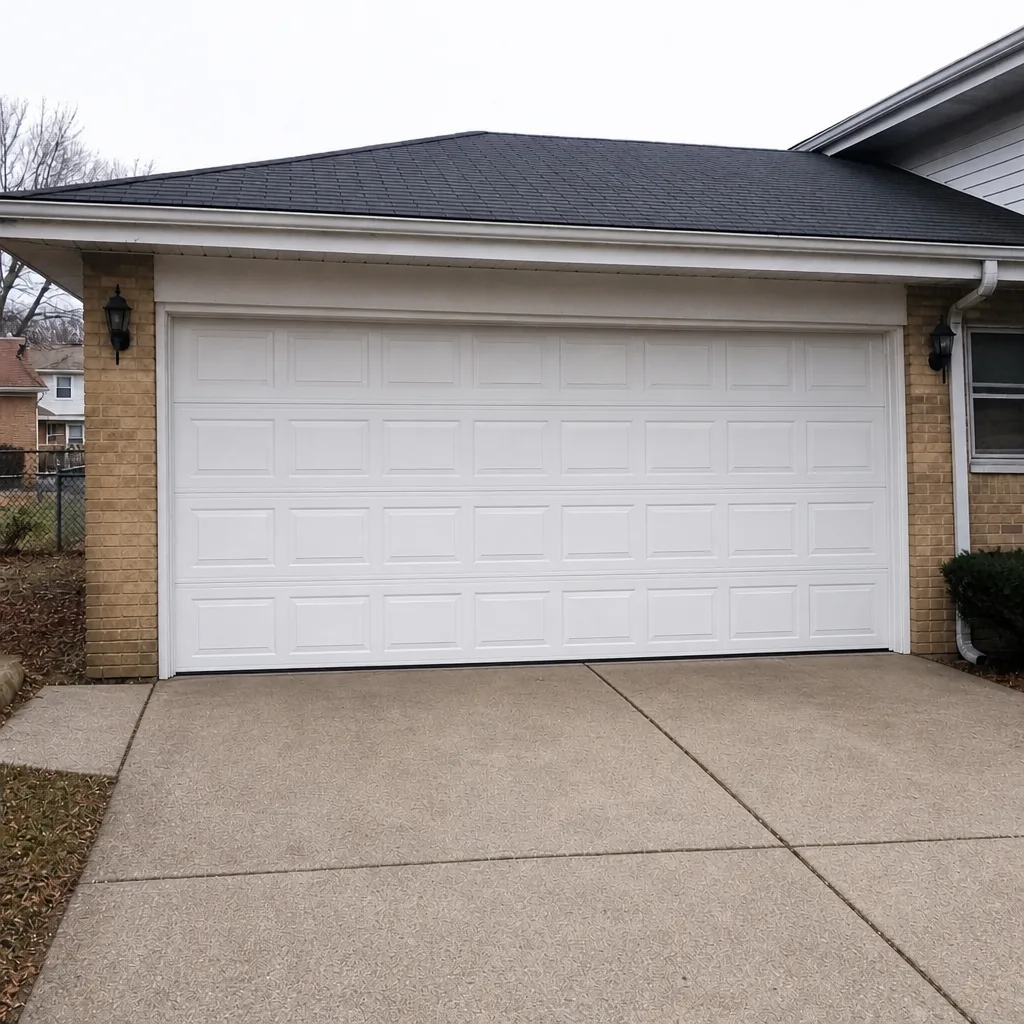
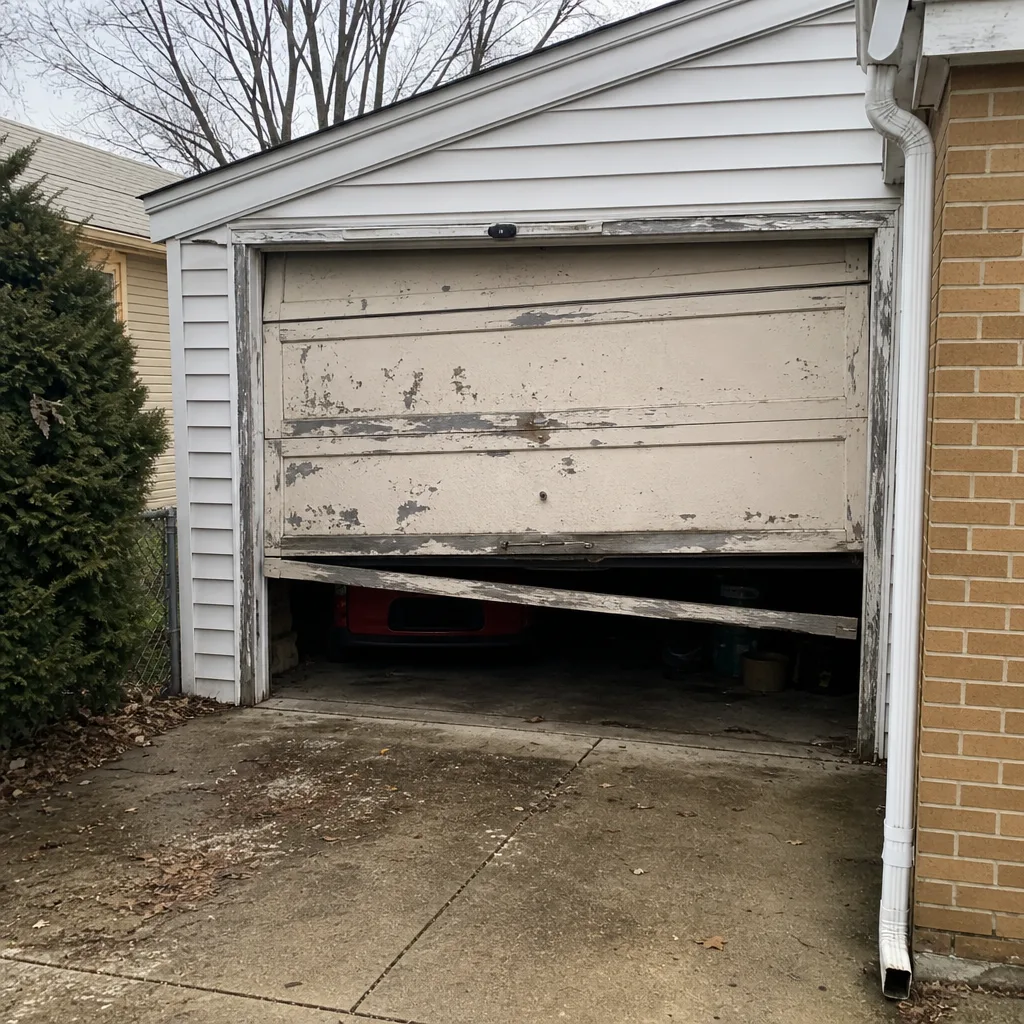
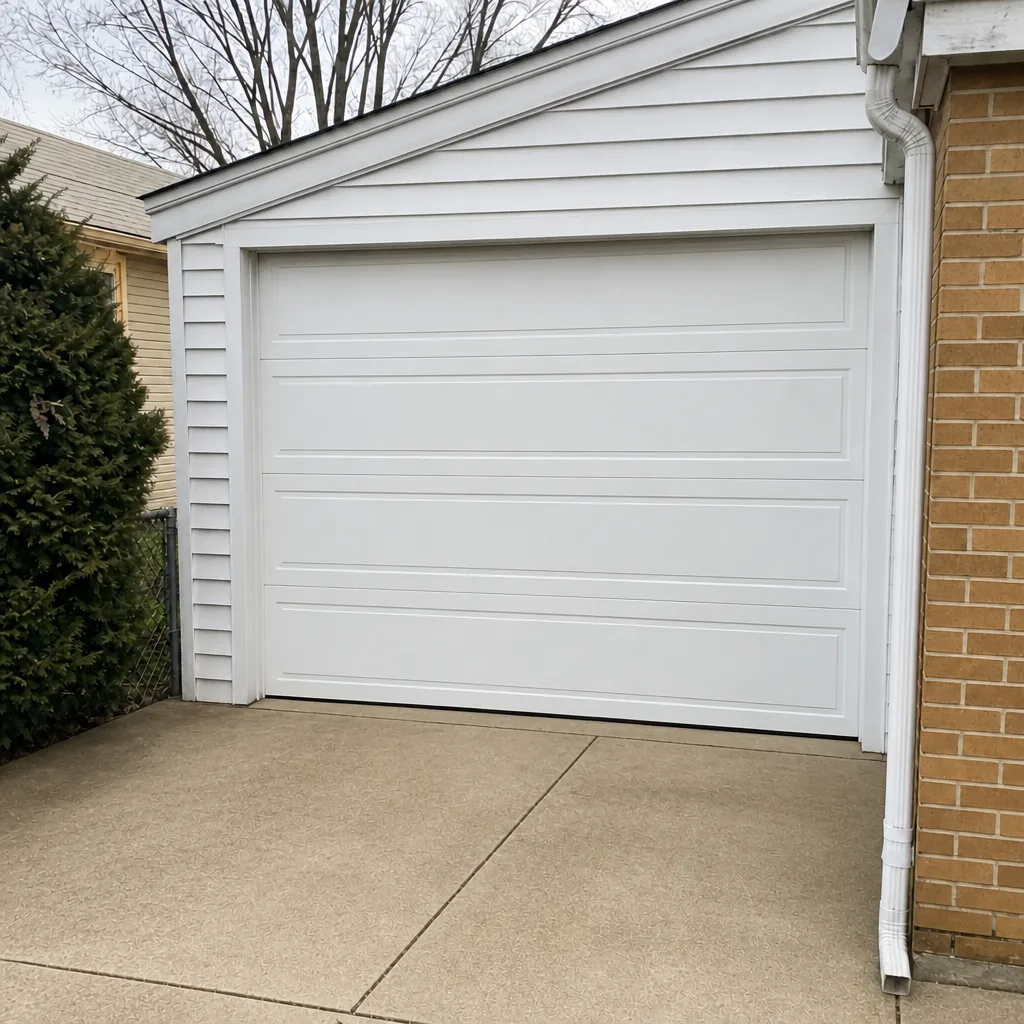
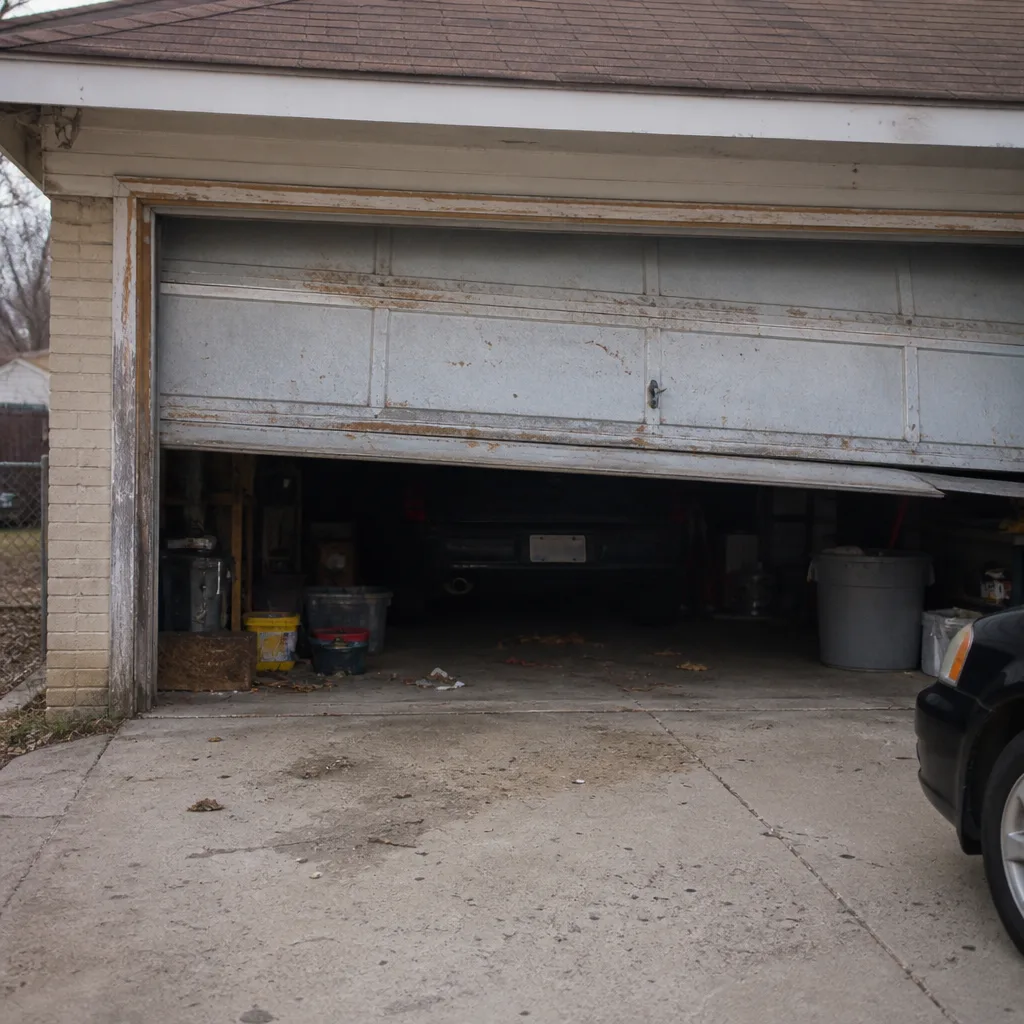
See the difference
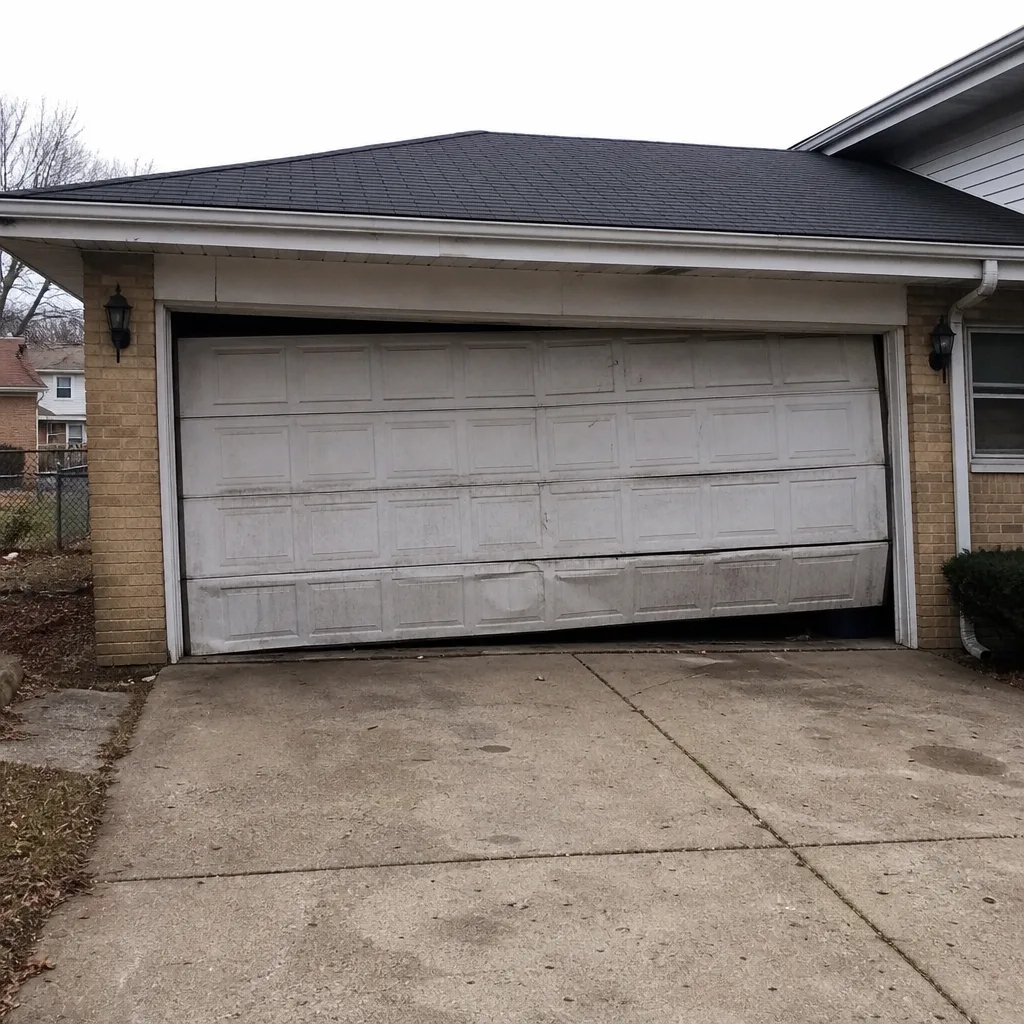 Before
 After
 Before
 After
 Before
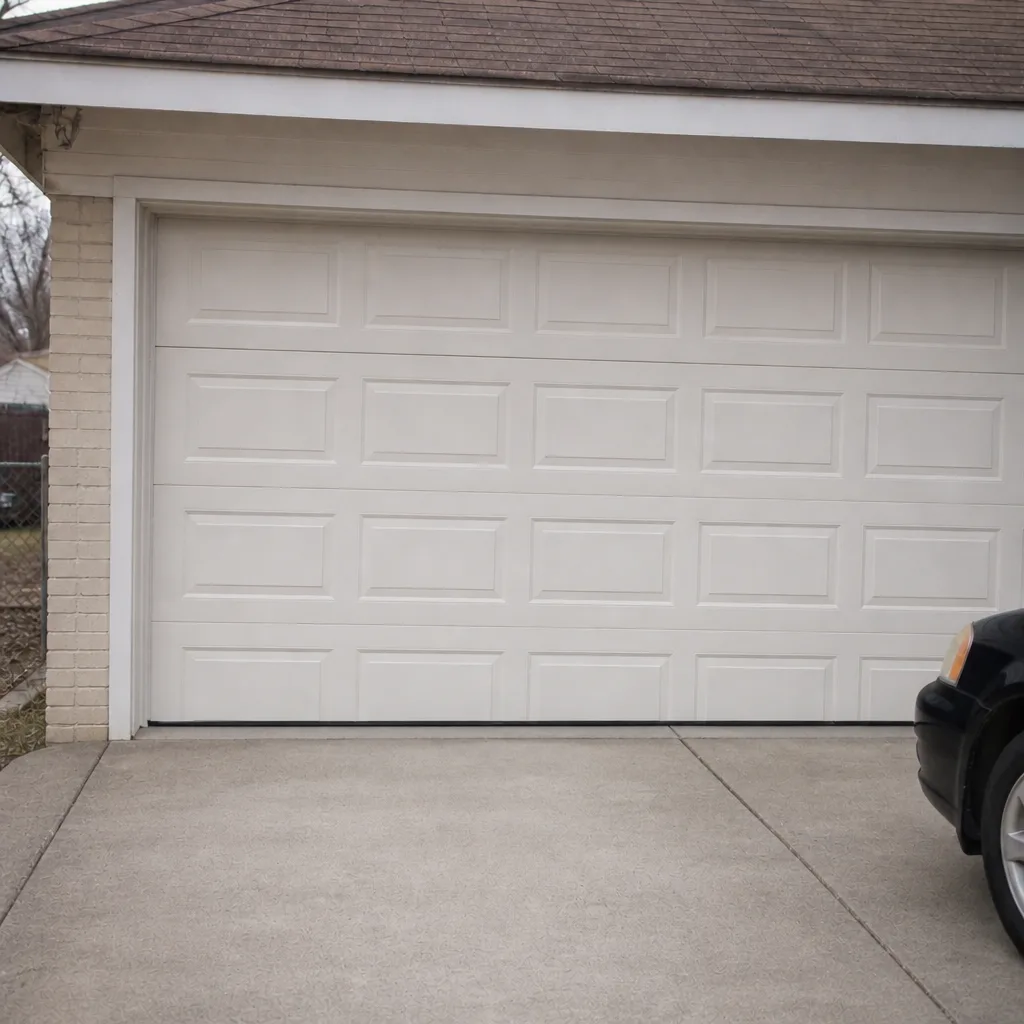 After