
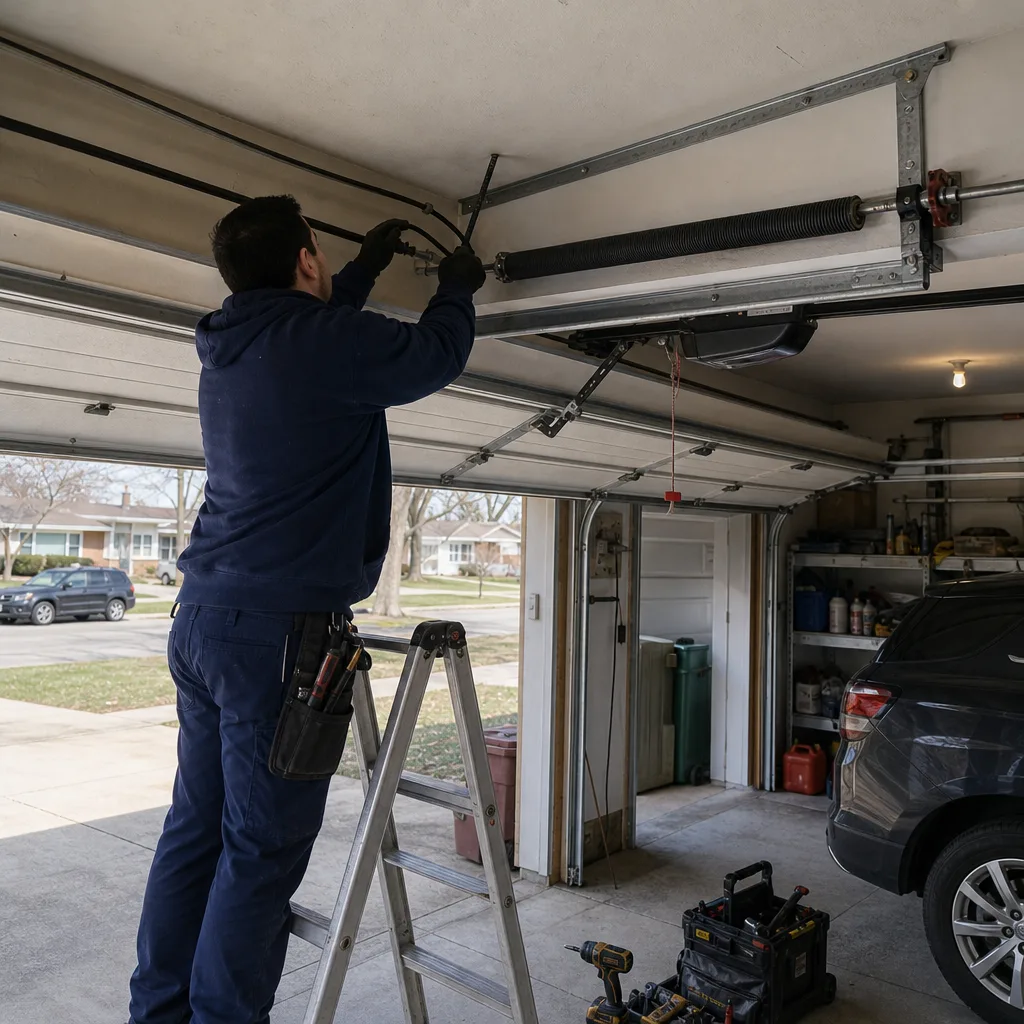
Last updated November 21, 2026
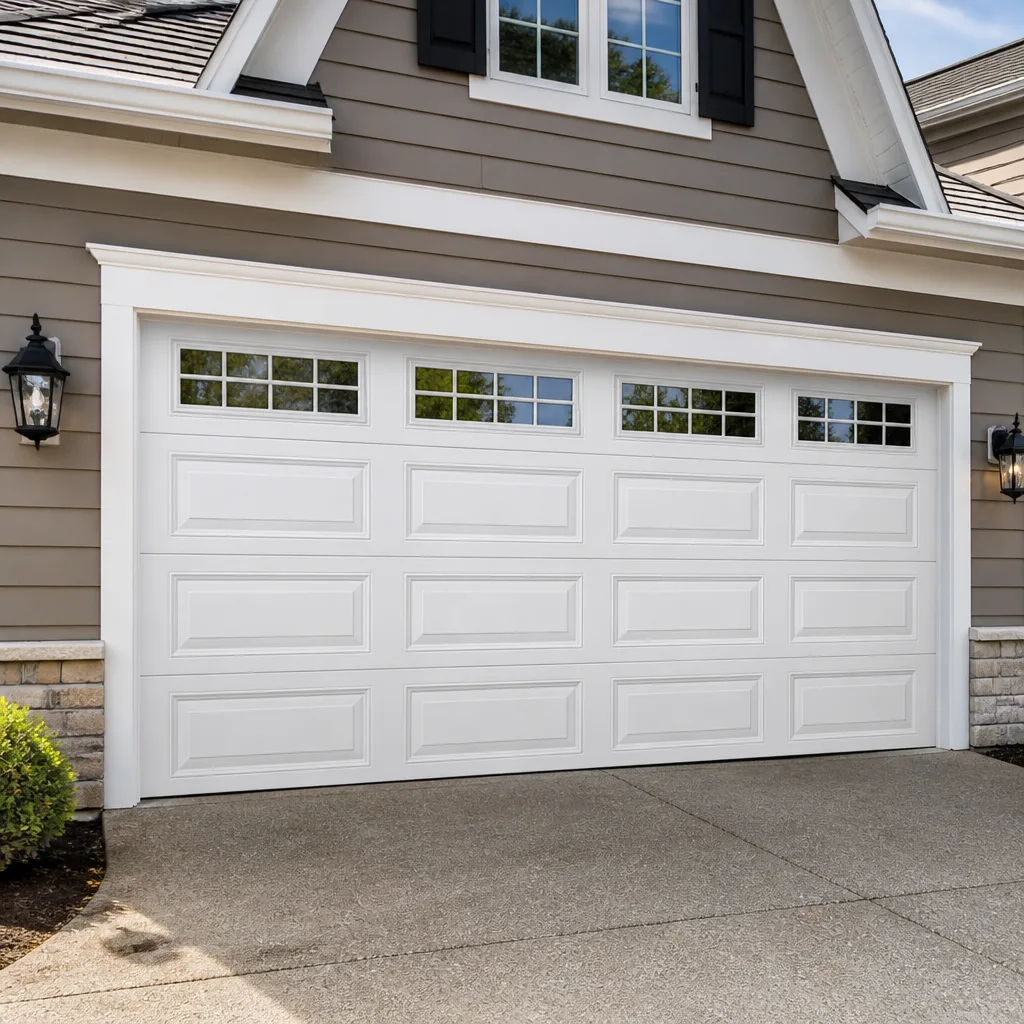 Raised-panel steel
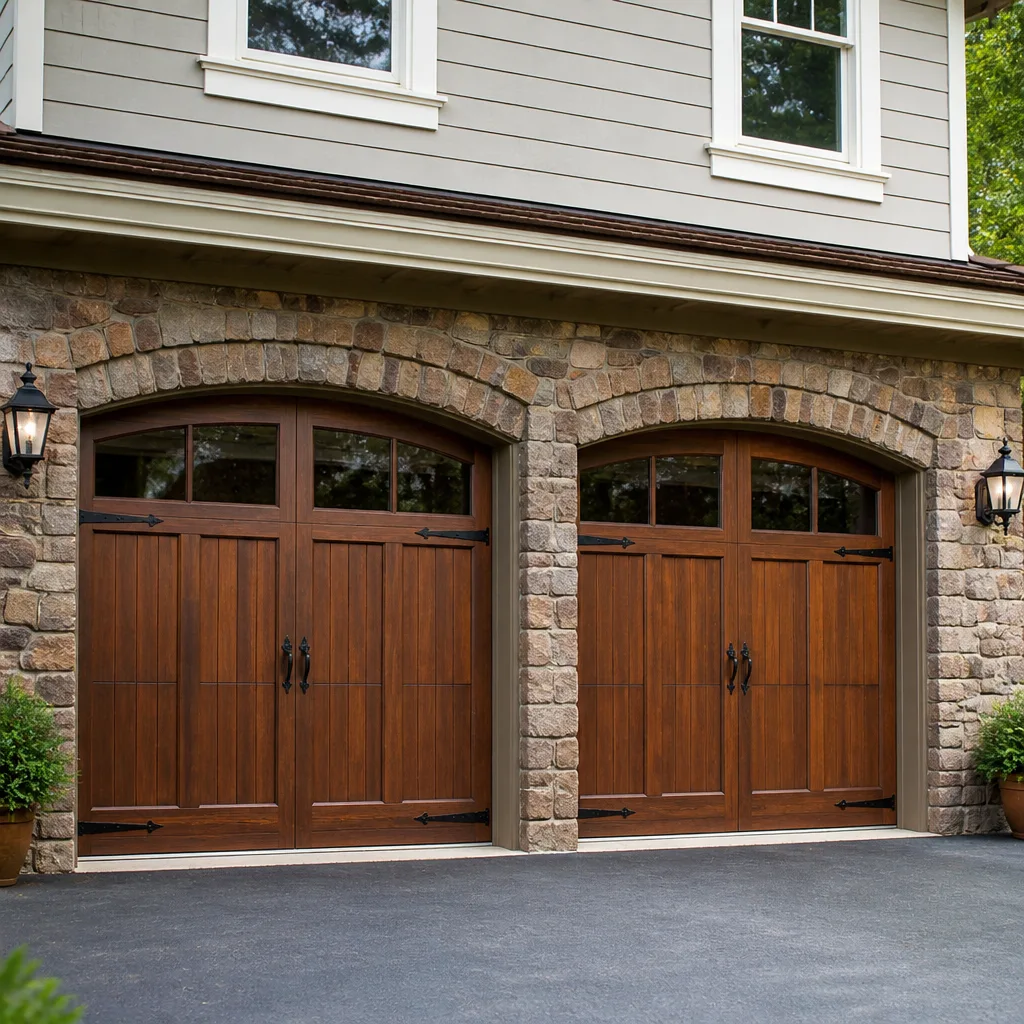 Carriage house
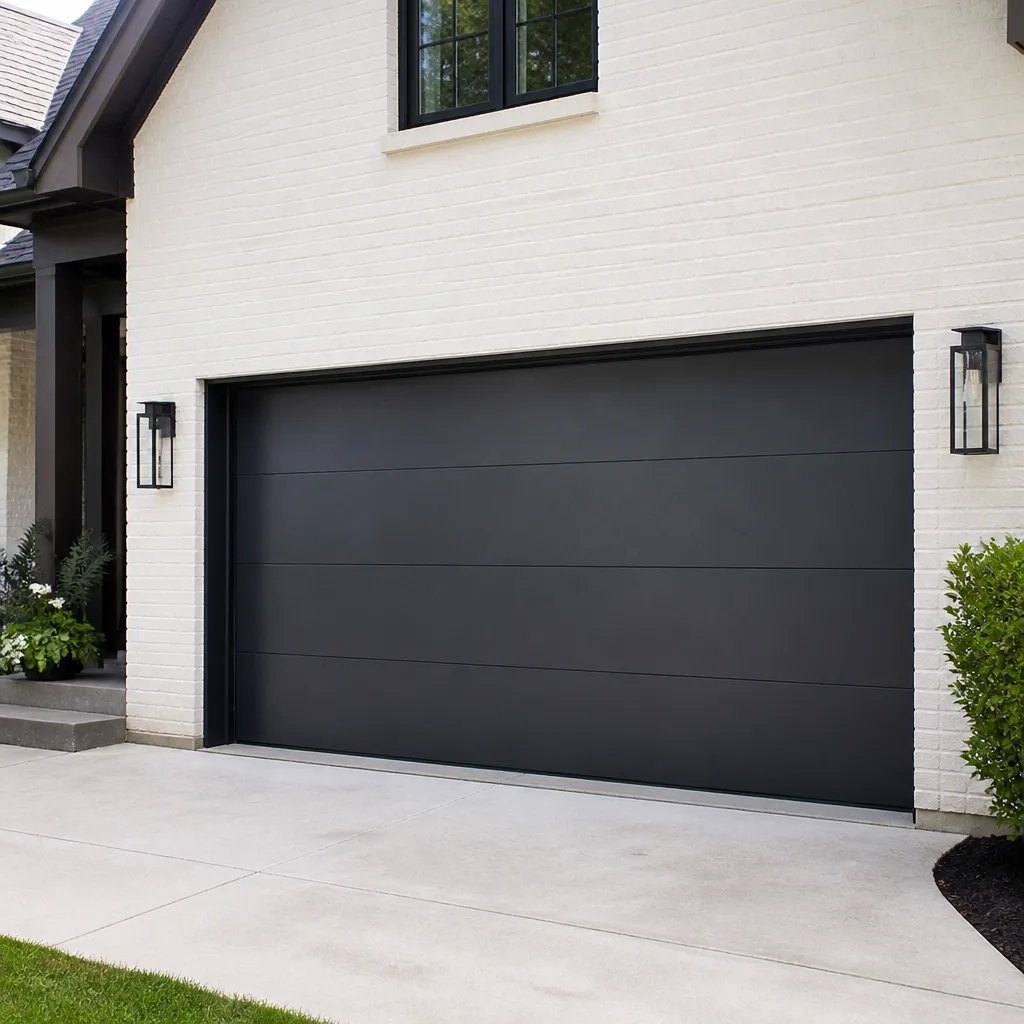 Modern flush
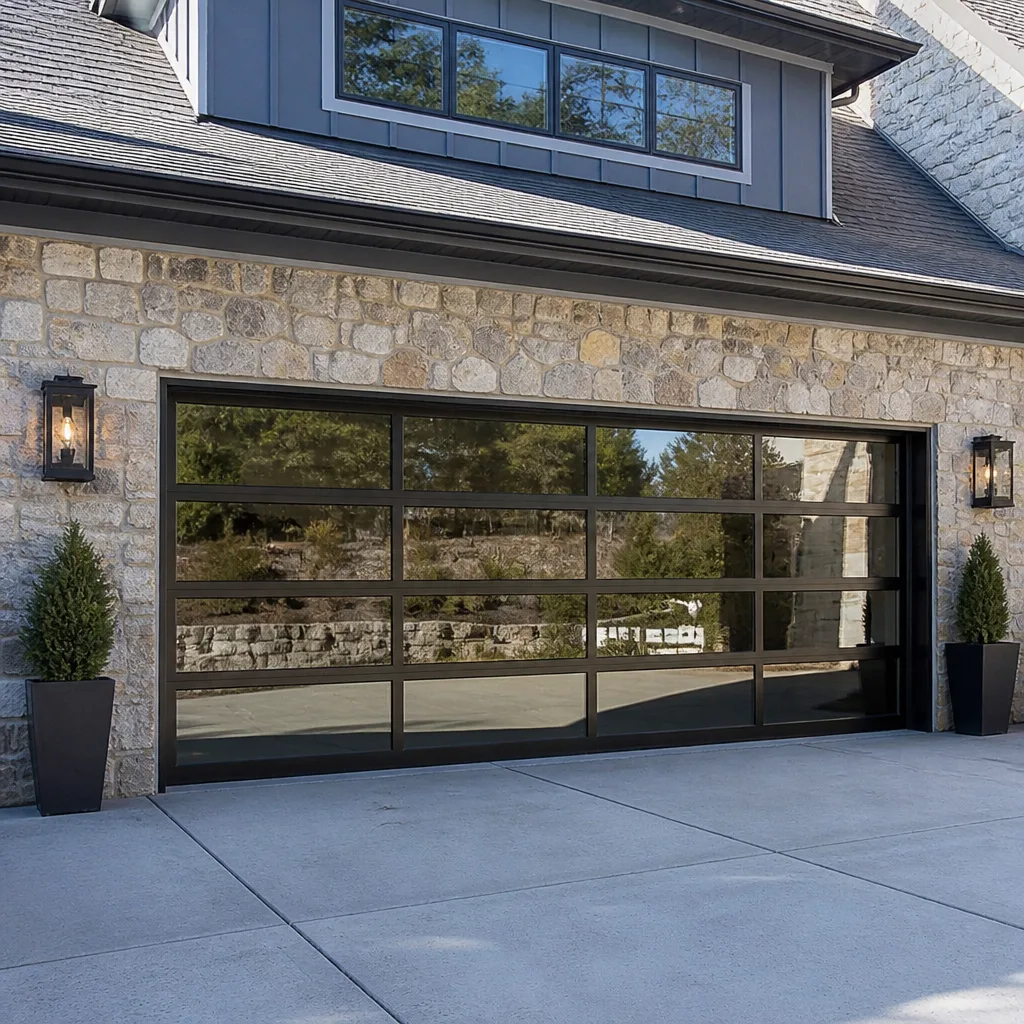 Full-view glass
 LiftMaster openers
 Chamberlain openers
Full 25-point door and opener safety check with every visit - springs, cables, rollers, tracks, and your LiftMaster or Chamberlain opener included
You get a price before we start. It does not change when the pro arrives.
Get your free estimateGarage Door Warning Signs: A Garfield Ridge Homeowner’s Reference Guide
A door that suddenly needs two remote button presses to close usually isn’t a remote battery problem. It’s the opener’s safety sensor or force setting telling you something is changing, and most homeowners ignore that signal for weeks until the system quits altogether. That’s the pattern we see again and again: the failure rarely arrives without warning. The door tells you first. This guide teaches you how to read what your door is saying, so a repair you schedule on your own terms never becomes a repair forced on you at the worst possible moment. We’ve written it for Garfield Ridge homeowners who rely on their door every single day.
Quick Answer
Most garage door failures announce themselves days or weeks in advance through a handful of symptoms: slower cycle times, new sounds, a door that reverses on its own, fraying cables, or a door that no longer feels balanced. Learning to interpret those signals, rather than simply noticing them, is what separates a scheduled repair from an emergency. If your door shows any of the signs below, it’s worth having a specialist look at it before the problem compounds.
Styles & brands we work with
- Raised-panel steel
- Carriage house
- Modern flush
- Full-view glass
- LiftMaster openers
- Chamberlain openers
Table of Contents
- A Door That’s Slow vs. a Door That’s Struggling
- What Each Sound Is Telling You
- Why Your Door Reverses: Sensor vs. Force Setting
- Reading Your Cables: Wear vs. Imminent Failure
- The Disconnect Test: Is Your Door Off-Balance?
- The Visual Warning Signs Homeowners Miss
- Garfield Ridge Conditions That Speed Up Wear
- Common Mistakes to Avoid
A Door That’s Slow vs. a Door That’s Struggling
Every door ages. A door that takes a second longer to travel than it did when new isn’t necessarily in trouble. The question is whether the door is slower or struggling, and those are two very different things. Slowness is often just the opener’s travel speed or an aging motor working within normal parameters. Struggling is a sign that the door’s mechanical balance is degrading, usually because a spring is losing tension or the door hardware is binding.
The simplest way to tell them apart is to count cycle time. Time how long it takes the door to travel fully open, then fully closed, using a stopwatch on your phone. Do this once a week for a few weeks and write the numbers down. A door in good health will hold a steady cycle time with only minor variation. A door losing spring tension will take progressively longer as the weeks pass, because the opener is doing more of the lifting work the spring used to do.
Here’s the distinction in plain terms:
- Normal aging: cycle time is stable, the door moves smoothly, and the only change is a slight speed adjustment you made once and forgot about.
- Struggling: cycle time creeps upward week after week, the door hesitates at the start of travel, or it slows noticeably near the top or bottom of its run.
- Failing: the door stalls, reverses, or the opener strains audibly and shuts off mid-cycle.
That progression matters because springs don’t fail instantly. They fatigue. A torsion spring that’s been quietly losing tension for a month will eventually reach a point where the opener can no longer compensate, and that’s when the door stops working. Catching the slow-down early turns a full spring replacement into a routine repair you booked on a Tuesday afternoon. For Garfield Ridge homeowners, that weekly stopwatch check is five minutes well spent.
What Each Sound Is Telling You
Sound is the most useful diagnostic tool you have, and the least used. The specific noise your door makes points to a specific component. Learning to identify the sound, rather than just thinking “that doesn’t sound right,” gives you and your technician a head start on the repair.
- Grinding: usually metal-on-metal contact. Often a roller that’s seized, a hinge that’s dry, or a torsion tube that needs lubrication. Grinding that worsens over days is a roller or bearing issue.
- Popping or snapping: a torsion spring under load. A single sharp pop can indicate a spring that has just failed or is about to. This is a stop-and-call-someone sound, not a keep-going sound.
- Squealing: typically a dry roller or a bearing that needs grease. This one is usually the least urgent, but ignoring it wears the component faster than it needs to.
- Banging or rattling: loose hardware, a door panel that’s come out of alignment, or a track that’s pulled away from the wall. Banging that gets louder with each cycle needs attention soon.
- Clicking then stopping: often an opener logic board or safety sensor issue rather than a door problem. The door itself may be fine.
The key insight is that not every sound comes from the door. Some come from the opener, some from the track, and some from the spring system. A Craftsman opener that clicks and stops sounds nothing like a Clopay door with a failing spring, but both can present as “the door is acting up.” Our technicians diagnose which system is actually talking, which is why we work across the major brands instead of specializing in one. Fast diagnosis, lasting fix.
If you hear a sharp pop from the spring area, stop using the door and call a professional. Torsion and extension springs are under extreme tension, and a spring that has partially failed can release suddenly. This is not a do-it-yourself component.
Why Your Door Reverses: Sensor vs. Force Setting
A door that reverses is telling you it’s doing its job. The opener is designed to reverse when it senses an obstruction. The question is whether it’s reversing before contact or after contact, and those two scenarios point to completely different causes.
Reversing before contact is almost always a safety sensor alignment issue. The two small photo-eye sensors at the base of the door beam an invisible light across the opening. If that beam is broken by anything (a misaligned sensor, dust on the lens, sunlight hitting one eye at the wrong angle, or a loose bracket), the door reverses immediately without touching anything. You can usually see a blinking indicator light on the sensor housing. Cleaning the lenses and checking alignment often solves it. For more on opener logic, see our guide to garage door opener repair.
Reversing after contact is a close-force calibration issue. The opener has a force setting that tells it how much resistance to overcome before reversing. If that setting is too sensitive, the door may reverse on the slightest resistance, like a small object or even the door’s own friction. If it’s too loose, the door may not reverse when it should, which is a genuine safety problem. This calibration is set at installation and can drift over time, especially after a spring starts losing tension. It’s worth having checked if the door reverses after touching the ground or an object.
Here’s how to tell them apart in the moment:
- Watch where the reversal happens. Before contact with the ground or an object = sensor issue.
- Check the sensor indicator lights. One blinking or dark = alignment or obstruction problem.
- Watch for contact first. If the door touches something and then reverses, that’s the force setting.
- Listen for the opener’s response. A sensor reversal typically stops and reverses cleanly; a force reversal often jerks.
On a LiftMaster or Chamberlain opener, the sensor alignment is usually a five-minute adjustment. The force setting is a more careful calibration. Either way, knowing which you have saves you from adjusting the wrong thing and making the problem worse.
Reading Your Cables: Wear vs. Imminent Failure
The cables on your door are under constant tension and are one of the components most likely to fail without warning. Knowing what normal wear looks like versus what imminent failure looks like is a genuine safety skill. Look at the cables from a safe distance; never touch a tensioned cable.
Normal surface wear shows as a slight dulling or oxidation of the cable surface, with the individual strands still tightly wound and uniform. The cable should look galvanized or lightly rusted but intact. Cables on a door in Garfield Ridge that sees all four seasons will show some surface discoloration over time; that’s expected.
Imminent failure looks different. Watch for these patterns:
- Fraying at the drums: the cable where it wraps around the drum starts to show individual wires separating. This is a classic failure point and often the first sign.
- Broken strands: one or more individual wires poking out from the cable. A cable with broken strands is close to failing.
- Kinks or bends: a cable that has kinked has lost strength at that point and can snap.
- Cable slack or sag: a cable that’s noticeably loose means something has shifted, often a spring. Stop using the door.
- Uneven side wear: one cable looks much worse than the other. This can indicate an imbalance issue.
Cables are a safety-critical component. Don’t tug on them to test them, and don’t try to lubricate or adjust them yourself. The tension in a door cable system is enough to cause serious injury. If you see any of the failure patterns above, call a trained technician. Garage doors are all we do, and cable and spring work is our core trade.
If you need a full repair, our garage door repair page covers the scope of what we handle, and parts are available without forcing a full replacement.
The Disconnect Test: Is Your Door Off-Balance?
An unbalanced door is quietly damaging your opener every time you use it. The opener is designed to lift a door that’s balanced by its springs. If the springs are weak, the opener does the lifting, and the motor wears out prematurely. The good news is you can check your door’s balance yourself safely, using the disconnect test.
Here’s how to do it:
- Close the door fully.
- Pull the emergency release cord (usually red, hanging from the opener rail) to disconnect the door from the opener.
- Lift the door manually to about waist height and let go.
- Watch what happens next.
A well-balanced door will stay put at waist height, maybe drifting slightly. A door that sags or falls to the floor is losing spring tension. A door that rises on its own has a spring that’s over-tensioned or a track issue. Both of those are signs the spring system needs attention.
Once you’ve checked, reconnect the door before using it. And here’s the part most homeowners miss: if your door is off-balance, operating it with the opener is a problem, not a solution. Every cycle the opener runs on an unbalanced door, it’s doing work the spring should be doing. That wear shows up later as an opener that runs hot, strains, or fails. If your door is off-balance in Garfield Ridge, schedule a spring evaluation before you run the opener again.
Now, a note on what the test doesn’t tell you. The disconnect test confirms balance in one position, but springs can lose tension unevenly, and a door can pass at waist height and still struggle at the top of travel. Use the test as a first check, and pair it with the cycle-time count from earlier. If both are drifting, you have your answer. If you’re not comfortable doing the test yourself, that’s fine too. It’s a free check for us.
The Visual Warning Signs Homeowners Miss
A quick visual inspection of your door catches a surprising number of problems before they become repairs. Walk around your door once a week and look for the following. None of these require tools, just attention.
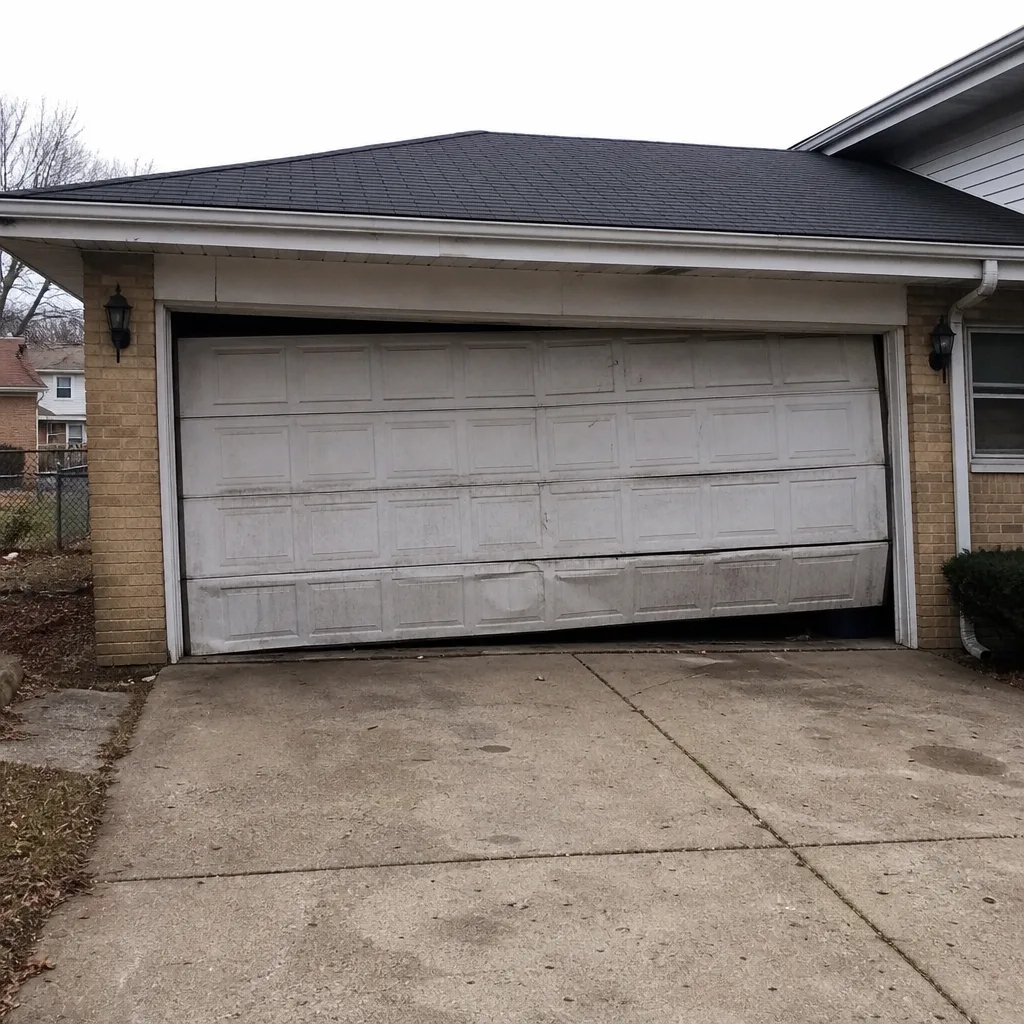
- Sagging panels: a panel that has begun to sag, especially at the hinge points, signals a structural or balance issue. Panels should sit flush and even.
- Loose hinges: hardware that moves when you push it. A hinge that’s worked loose needs tightening before it strips.
- Bent or bowed track: the vertical and horizontal tracks should be straight. A bend or bow means the door is struggling to travel and the rollers are wearing unevenly.
- Worn rollers: rollers that look flat-spotted, cracked, or wobbly. Rollers are inexpensive to replace and should be checked as part of routine upkeep.
- Rust or corrosion on tracks and hardware: a little surface rust is normal; heavy corrosion on moving parts is not.
- Weatherstripping gaps: light showing under the door or around the frame. This affects sealing and can signal the door isn’t seating properly.
- Scrapes or gouges on the bottom panel: frequent scrapes can mean the door is out of adjustment or the opener is mis-calibrated.
Most of these are small fixes when caught early. A loose hinge tightened today is a five-minute call; the same hinge ignored for months can damage a panel and turn into a much bigger repair. The trick is to make the visual check part of your routine, like checking tire pressure. For a deeper look at what full-service repair covers, and how a specialist handles the harder jobs, visit the garage door repair page.
Garfield Ridge Conditions That Speed Up Wear
Garage doors take a lot of punishment in this part of Chicago. The temperature swings alone are harsher than most homeowners realize. A door that sees a forty-degree swing between seasons goes through constant contraction and expansion. Metal parts flex, bearings wear, and lubricants lose their viscosity. That’s the cycle that ages doors here faster than in milder climates.
Beyond temperature, the local housing stock matters. Many Garfield Ridge homes have aging door systems where the original springs are past their prime, and older openers that were sized for lighter doors. When those older systems are paired with a modern door or have simply reached the end of their natural life, the warning signs show up sooner. If your door is original to an older home, pay close attention to the slow-down signs described earlier. Catching them early is the difference between a spring repair and a full opener replacement.
Winter is worth a specific mention. Cold weather stiffens the lubricant in rollers and hinges, which makes a struggling door sound much worse than it is. If your door is only noisy in winter, start with lubrication. If the noise persists when it warms up, that’s a mechanical issue that needs a look.
We’re based in Garfield Ridge, and we know the conditions here well enough to tell the difference between a door that needs grease and a door that needs a spring. That local experience is one of the things that makes a specialist worth calling.
For replacement conversations, see our garage door installation page.
Common Mistakes to Avoid
- Ignoring a door that reverses on its own. A reversing door is doing exactly what it’s supposed to do. The problem is the sensor or force setting, not the door. Adjust the wrong one and you can make the door less safe. Call a specialist to diagnose which it is.
- Lubricating moving parts with the wrong lubricant. A general-purpose oil attracts dust and gums up. Garage door hardware needs a lubricant made for the job. The wrong product can accelerate wear.
- Forcing a door that’s stuck. If the door won’t move, stop. Forcing it stresses the opener, the springs, and the panels. A stuck door is usually a spring or track issue that’s cheaper to fix than the damage a forced door causes.
- Skipping the balance check after a spring repair. A door needs its balance rechecked after any spring work. If it’s not rechecked, the opener works harder and the new springs wear faster. This is routine for a specialist and easy to forget for a generalist.
- Assuming all spring failures happen instantly. Most springs fatigue slowly. By the time the door stops working, the spring has been losing tension for weeks. Watch the slow-down, not just the break.
- Replacing a whole opener when the sensor is the problem. Sensor issues are common and inexpensive. Before you replace an opener, have it diagnosed properly.
- Letting a small visual issue sit. A loose hinge, a scuffed panel, a slight bend in the track. These are all small, cheap fixes when caught early and expensive when ignored.
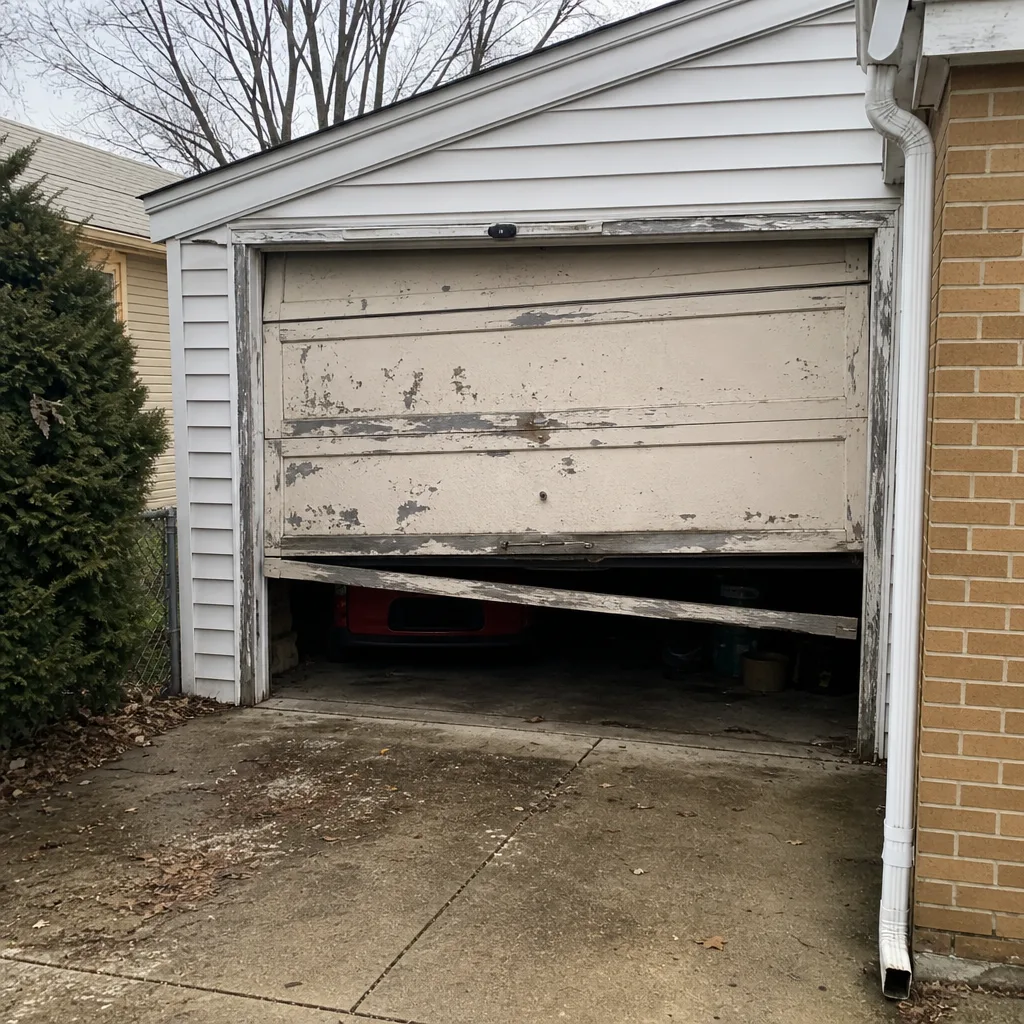
See the difference
 Before
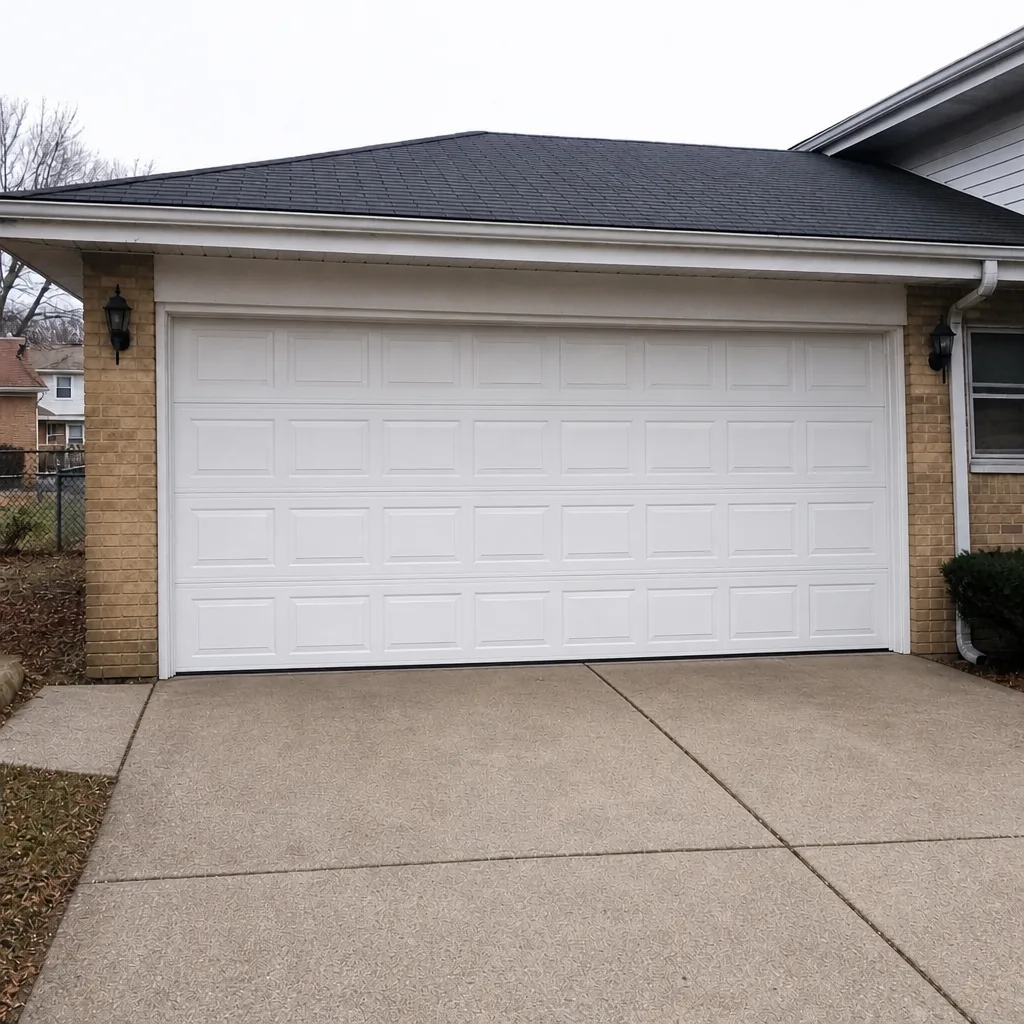 After
 Before
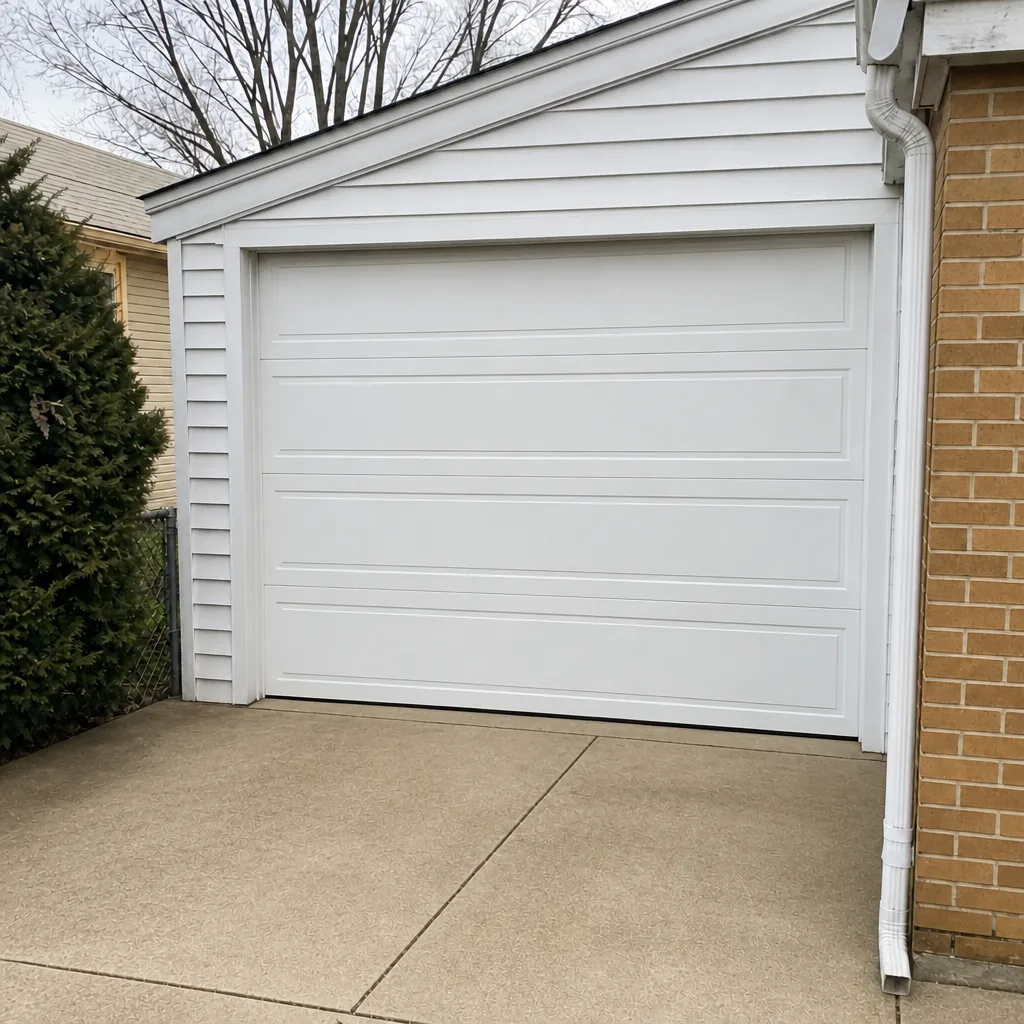 After
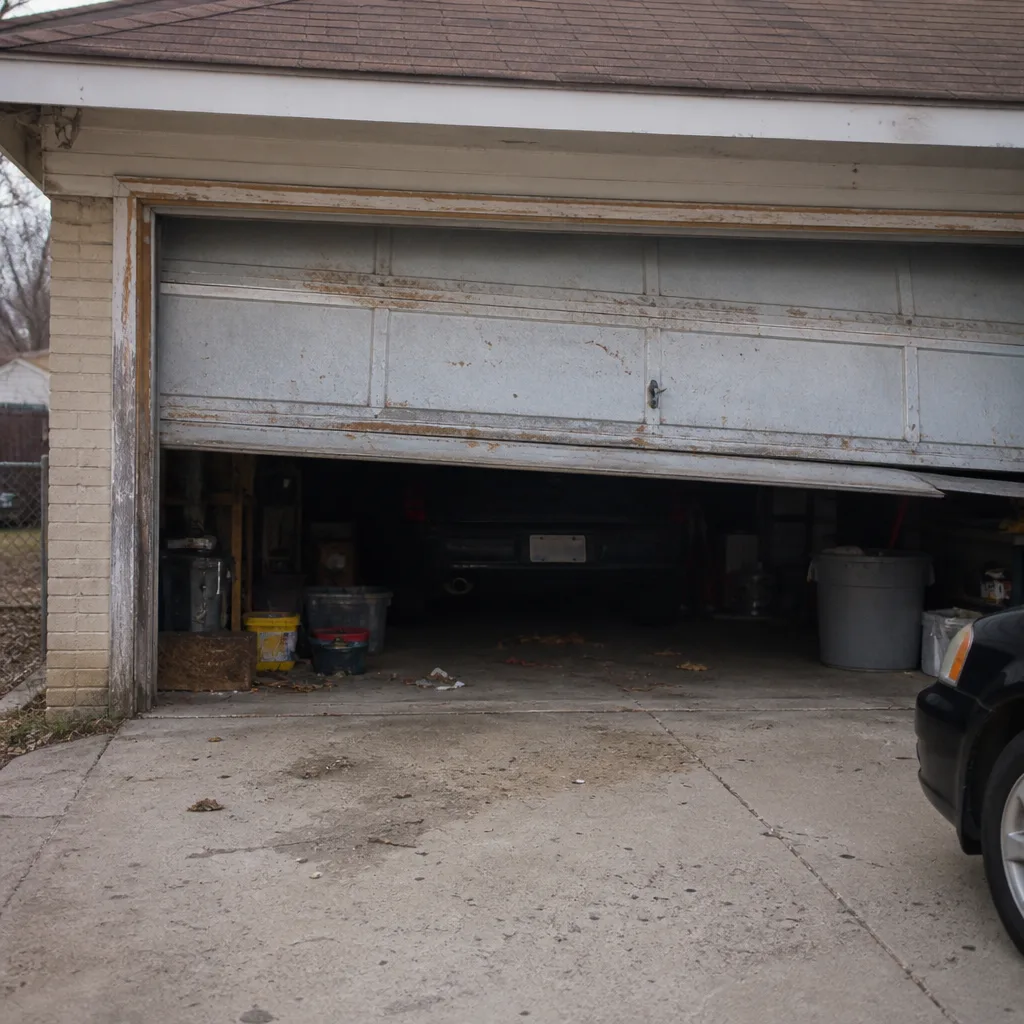 Before
 After
When to Call a Professional
Some garage door problems are genuinely DIY-friendly: lubricating rollers, tightening a loose hinge, cleaning safety sensors. But some should never be attempted by a homeowner. Call a professional if you hear a sharp pop from the spring area, see a frayed or kinked cable, notice the door is off-balance after the disconnect test, see the door reverse after making contact, or the opener runs but the door doesn’t move. Spring and cable work is dangerous enough that even experienced generalists often decline it. We don’t, because spring repair is a named service and our technicians are trained specifically in torsion and extension systems.
Garage Door Repair Garfield Ridge offers free estimates in Garfield Ridge. Call (877) 492-2475. We answer 24/7. Fast dispatch from 7am to 7pm, Sunday through Friday. The estimate is written down and agreed before any work starts.
Frequently Asked Questions
A steady increase in cycle time is the most reliable early sign. If you time your door’s open-and-close cycle and see it creeping upward week after week, the spring is likely losing tension. Pair that with a balance check, and you’ll have a clear picture of what’s happening. Call (877) 492-2475 for a free estimate.
Almost always, yes. Reversing before contact means the safety sensor beam is being interrupted. Clean the sensor lenses and check that the two units point directly at each other. If the reversal continues, the sensor bracket may be loose or the opener logic board may need diagnosis. Call (877) 492-2475 to book a quick check.
That’s a close-force calibration issue, not a sensor issue. The opener’s force setting is too sensitive and reverses on the resistance of touching down. It needs a careful adjustment from a technician who knows your opener’s brand. Call (877) 492-2475 for a free estimate.
Yes. The local professionals we connect you with are licensed and insured as their state requires. Our technicians have up to 11 years of experience working on garage doors and openers from brands including LiftMaster, Chamberlain, Genie, Clopay, Amarr, Wayne Dalton, Craftsman, and Raynor. Call (877) 492-2475 for a free estimate.
In most cases, yes. Same-day service is available for repair calls, and fast dispatch runs 7am to 7pm, Sunday through Friday. Call (877) 492-2475 and we’ll book the next opening. Estimates are free and the price is agreed before work starts.
We’re closed on Saturday. We’re open Sunday through Friday, 7am to 7pm, and there’s no additional charge for scheduling within those hours. The price is set per job by the written estimate. Call (877) 492-2475 for a free estimate.
Three things you can safely check: cycle time (count it with a stopwatch), sounds (note whether the noise is a grind, squeal, pop, or rattle), and the disconnect test (pull the release cord and see if the door holds at waist height). Those three answers help a technician diagnose faster. But if you see a frayed cable or hear a sharp pop, stop using the door and call. (877) 492-2475.
The Bottom Line
Garage door failures are almost never sudden, even when they feel that way. The door tips you off first: slower cycle times, new sounds, a reluctant reversal, a sagging balance, a fraying cable. This guide gives you a diagnostic routine you can do in a few minutes a week. Count cycle time, listen for the specific sound, check the reversing behavior, read the cables carefully, and use the disconnect test. Then you know the next step: a small fix, a scheduled repair, or a call to a specialist. If you’d rather have an experienced eye look at it, we’re here. Garage doors are all we do, and our Garfield Ridge roots mean we know what your door is up against.
Call Garage Door Repair Garfield Ridge at (877) 492-2475 for a free estimate. We answer 24/7. Fast dispatch from 7am to 7pm, Sunday through Friday. From broken spring to full installation, we handle the job in-house, with the right part, the right repair, and no unnecessary replacement.
Written by the team at Garage Door Repair Garfield Ridge.