
Last updated November 21, 2026
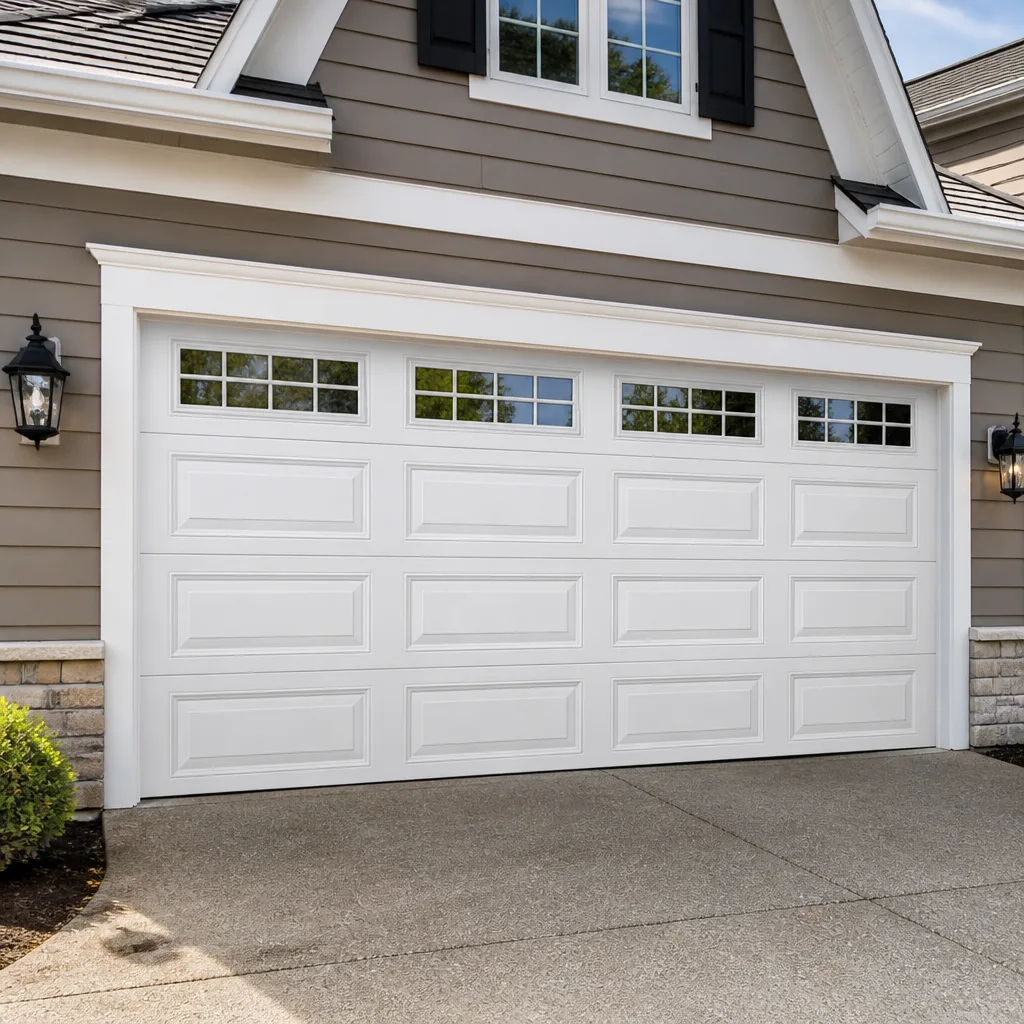 Raised-panel steel
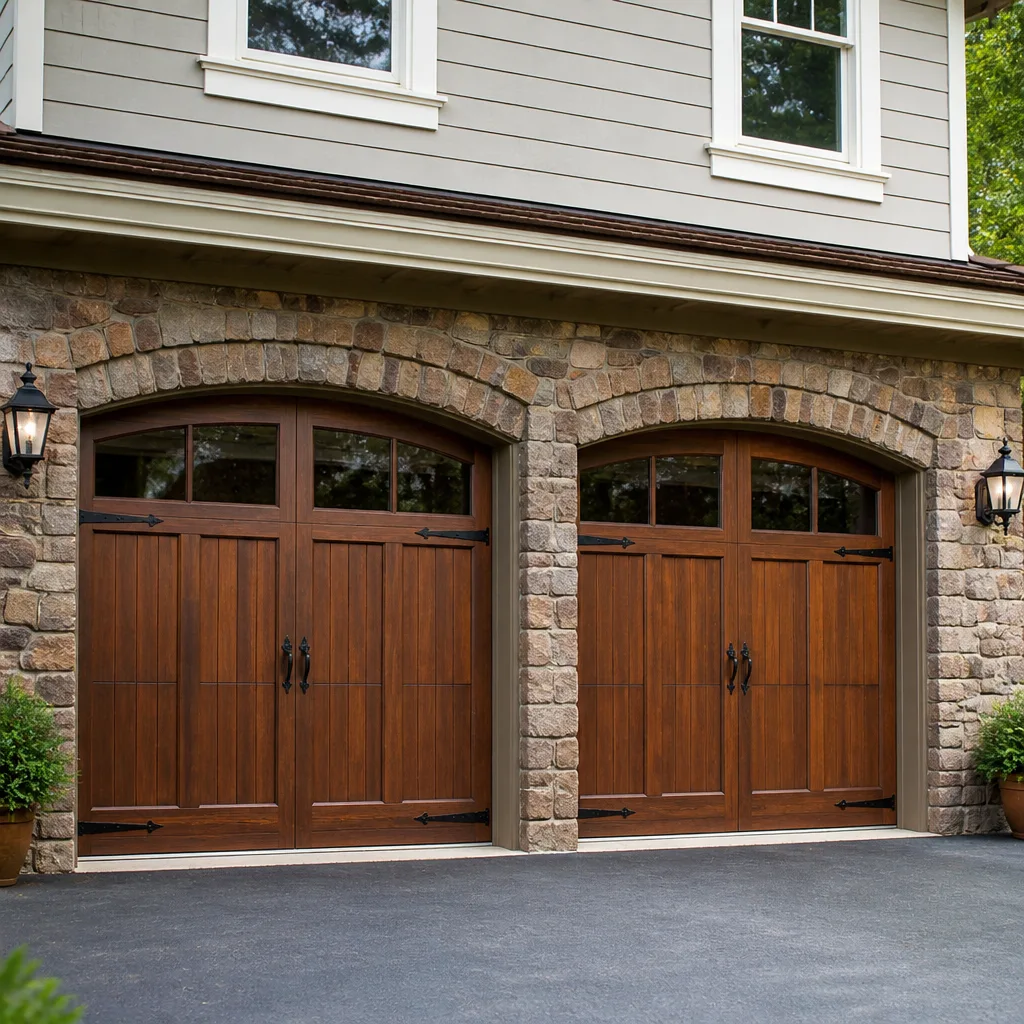 Carriage house
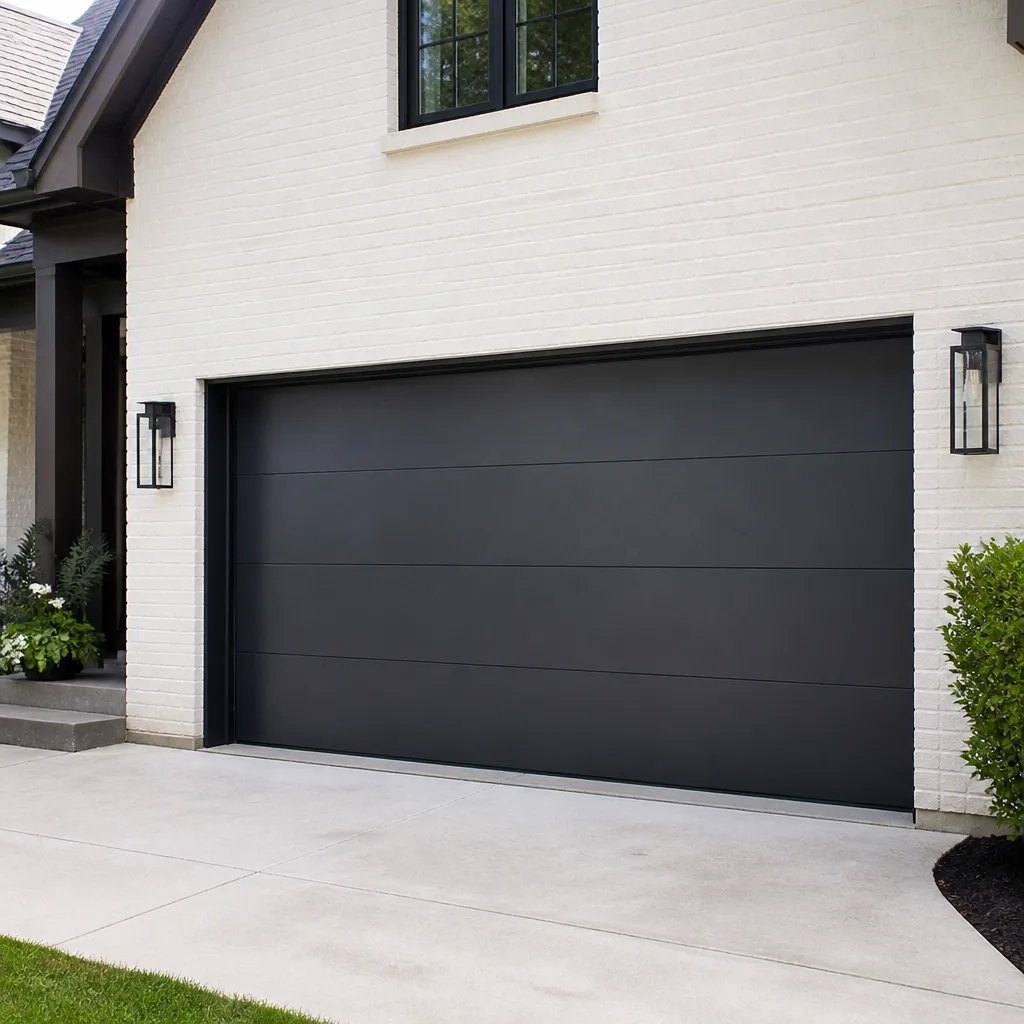 Modern flush
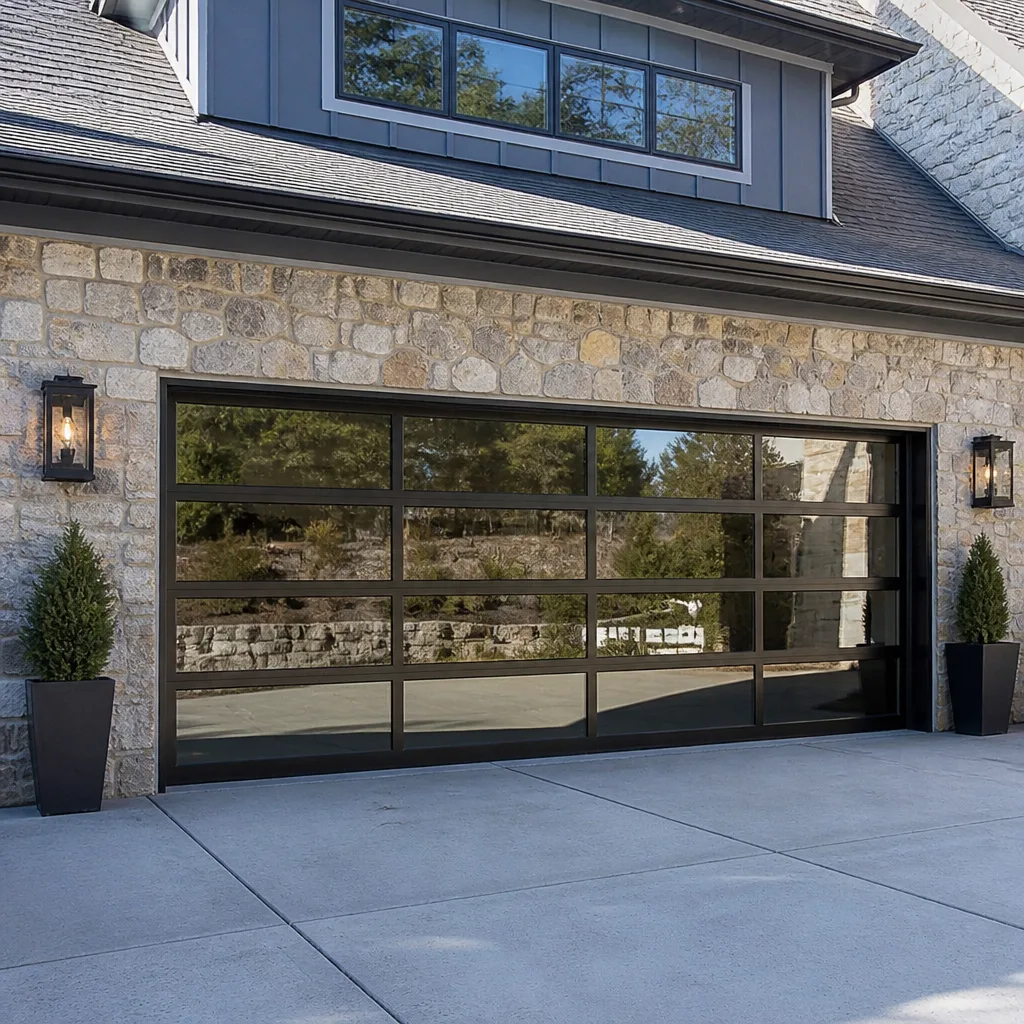 Full-view glass
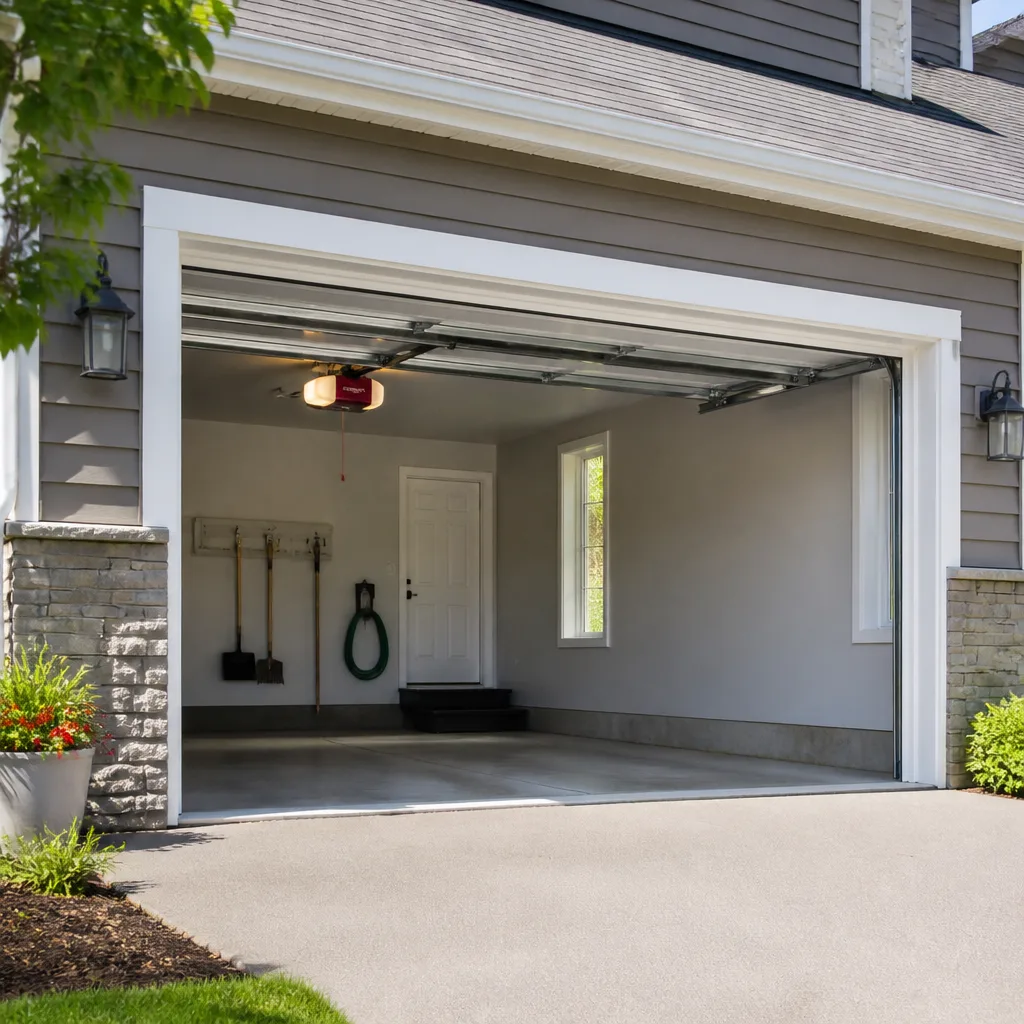 LiftMaster openers
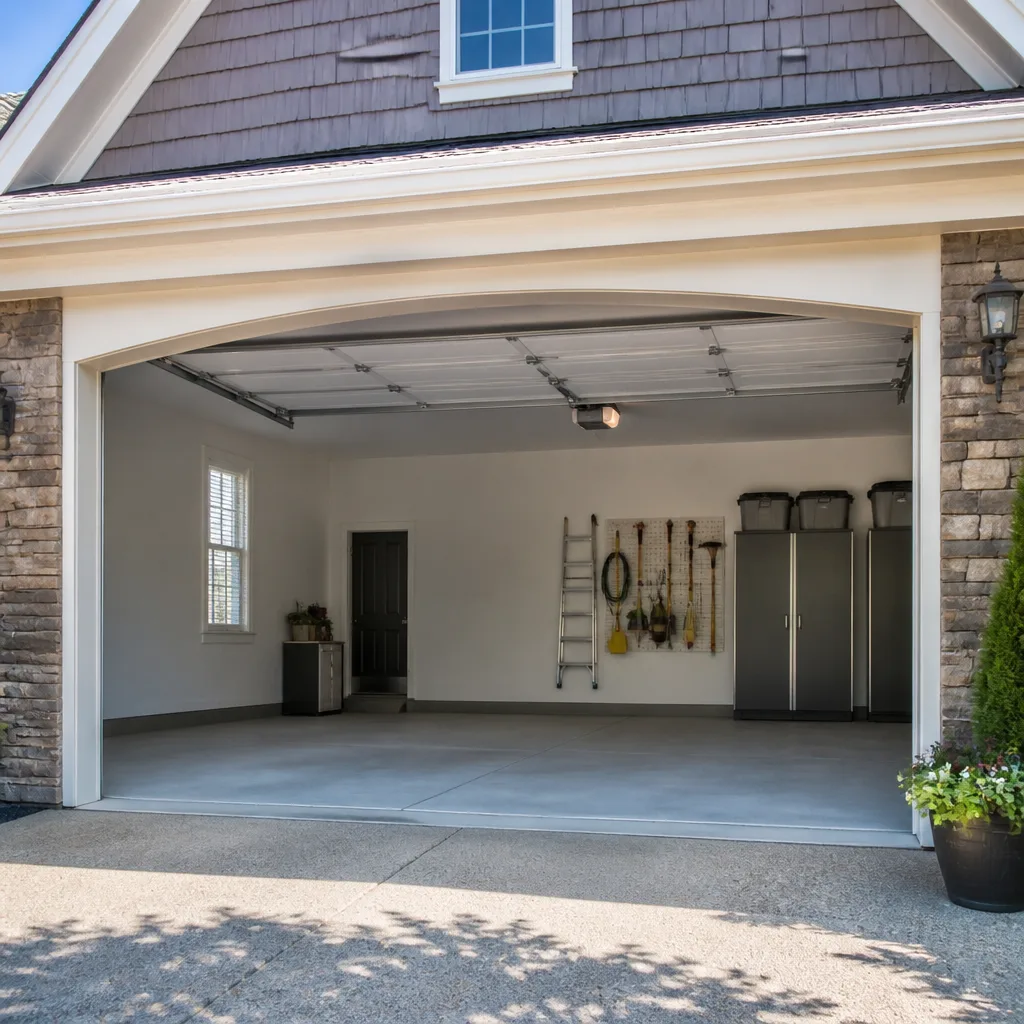 Chamberlain openers
Full 25-point door and opener safety check with every visit - springs, cables, rollers, tracks, and your LiftMaster or Chamberlain opener included
You get a price before we start. It does not change when the pro arrives.
Get your free estimateSeasonal Garage Door Care for Garfield Ridge: Year-Round Homeowner’s Guide
Ask most homeowners what breaks a garage door and they’ll say winter. The cold, the ice, the freeze. That’s half right, and it’s the half that gets all the attention. Here in Garfield Ridge, the harder truth is that summer is rougher on the springs than January is. A torsion spring that spends three months compressed by cold metal does its real damage when a hot afternoon snaps it back open and the fracture finally gives. The seasons don’t just bring weather; they bring a specific failure mode you can prepare for. This guide walks through each one in turn, from the bottom seal in November to the force settings in July, so your door keeps working through every swing in the Chicago year.
Quick Answer
Seasonal garage door care in Garfield Ridge means matching your maintenance to the season: weatherstrip the bottom seal before the first hard freeze, inspect cables and brackets after the spring thaw, recalibrate opener force settings when summer heat peaks, and use the right lubricant for cold instead of the wrong one all year. Each season stresses a different component, and the same checklist applied twelve months running misses most of it. The payoff is fewer emergency repairs and a door that doesn’t fail on the morning you need it.
Styles & brands we work with
- Raised-panel steel
- Carriage house
- Modern flush
- Full-view glass
- LiftMaster openers
- Chamberlain openers
Table of Contents
- Why a Garfield Ridge Door Ages Differently Than the Rest of the Country
- Winter Prep: Sealing the Door Before the Ground Freezes
- Spring Recovery: What Freeze-Thaw Cycles Do to Cables and Springs
- Summer Heat: Why Your Opener Feels Wrong After a Hot Week
- Fall Lubrication: The Right Viscosity Before Winter Sets In
- Reading Your Opener’s Force Adjustment as a Seasonal Diagnostic
- The Year-Round Maintenance Calendar
- When to Call a Professional
Why a Garfield Ridge Door Ages Differently Than the Rest of the Country
A garage door in Garfield Ridge doesn’t just get cold. It gets cycled. Our summers push past 90 degrees with humidity that hangs on the metal, and our winters drop into stretches where nothing softens the deep freeze. That swing, from one extreme to the other and back again across a single year, is what drives the parts to failure. A door in a milder climate sees a narrow band of temperature and its components wear slowly and evenly. Yours gets pushed to both ends of the range and the metal, the seals, and the electronics respond differently at each one.
We work on the brands you already have, and every one of them responds to temperature the same way at the material level, no matter the sticker on the opener. Spring steel is spring steel. A Clopay steel door and an Amarr steel door expand by the same physics when the temperature climbs. What changes between brands is the electronics, the adjustment tolerances, and how forgiving the safety system is when it’s pushed out of spec by a spike in heat.
It’s worth understanding what actually moves underneath all that.
- Steel tracks and springs contract in cold and expand in heat. That expansion is not gentle; it’s fast, and it’s what stresses the metal over hundreds of cycles a year.
- Rubber and vinyl seals get brittle at low temperatures and pliable again in warmth. A seal that’s nearly spent will crack and split in January and then fail to keep out water in April.
- Wood overlays and trim absorb summer humidity and shrink in winter dry air. That movement warps, cups, and pulls seams apart across a few seasons.
- Opener electronics measure resistance and travel, and both of those readings shift with temperature, which is why a door that worked in October asks for more force in February.
- Grease and lubricants thicken as they get cold and thin as they warm. The wrong product is worse than no product in either extreme.
Sears Tower stands over the whole region as a wind-speed reference, and our exposure here is real, but it’s the temperature cycling, not the wind, that does the quiet damage. Once you know that, you stop thinking of maintenance as a yearly chore and start thinking of it as a set of seasonal responses.
Winter Prep: Sealing the Door Before the Ground Freezes
The single most useful thing you can do before the first hard freeze in Garfield Ridge is deal with the bottom seal. In our experience, the door freezing to the ground overnight is behind more frantic calls than any other winter issue, and it traces back to a seal that was already worn in October. The seal leaves a slight gap, meltwater runs under the door, the temperature drops, and by morning the door is bonded to the concrete.
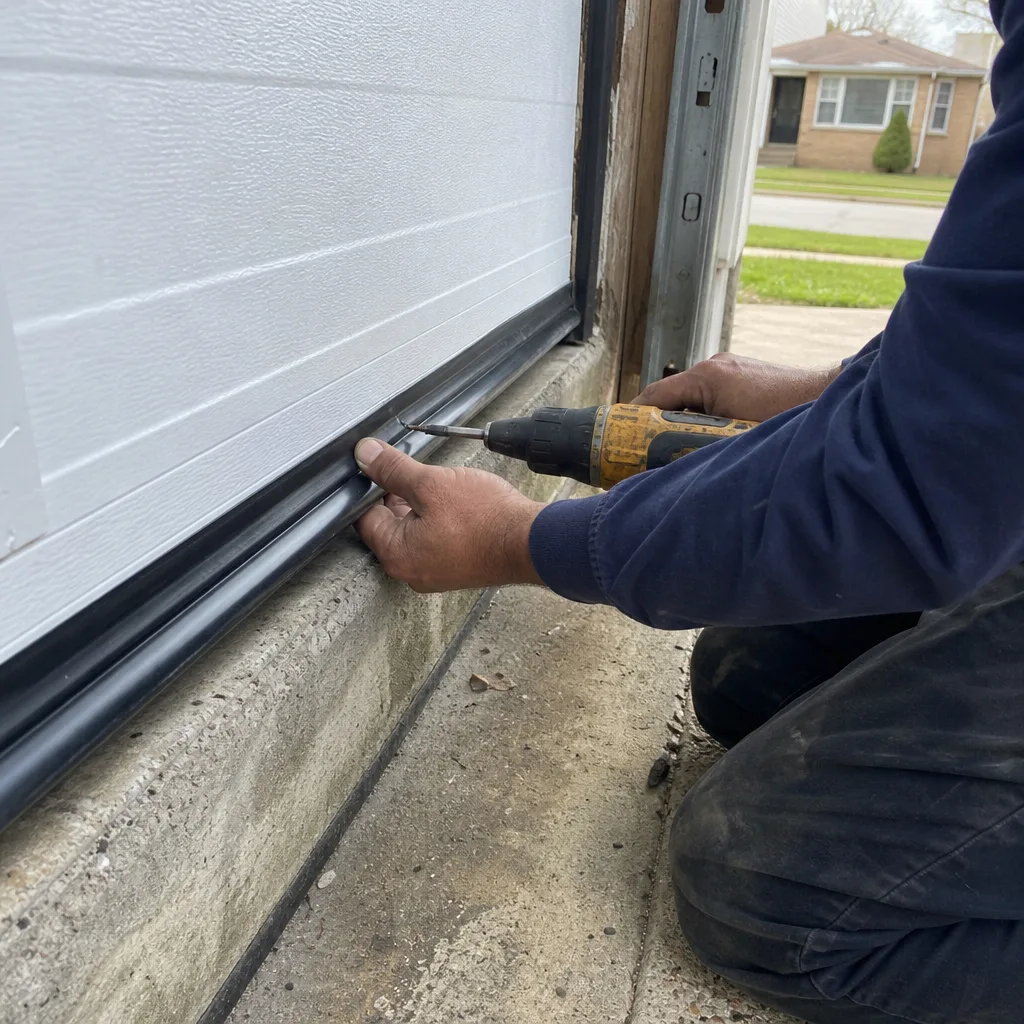
The good news is that you can check and replace a bottom seal yourself with a few basic tools, and doing it before the freeze is far easier than doing it during one. Here’s how we think about the sequence.
- Inspect the bottom seal for flexibility. On a mild fall day, lift the door slightly and squeeze the rubber. If it’s stiff, cracked, or crumbly at the edges, replace it before winter. A supple seal stays in contact with the floor as the slab shifts.
- Check the weatherstripping along the sides and top. The side jambs keep driven snow and wind out, and a gap there lets in cold that freezes the bottom seal. Run a hand along each side and feel for drafts on a windy day.
- Clear the threshold before the ground hardens. Sweep away leaves and grit that trap moisture against the door. Once the slab is frozen, you can’t do much about it until the thaw, so handle it now.
- Test the door’s balance by hand. With the opener disengaged, lift the door to waist height and let go. It should stay roughly where you put it. If it slams down or drifts up, the spring tension is off and winter’s cold will only make it worse.
- Lubricate metal contact points with a cold-rated product. Hinges, rollers, and the spring coil. We’ll get to the right product in the fall section below, but winter prep is when it matters most.
One caution worth stating plainly: the springs, cables, and bottom brackets are where serious injuries happen in this trade. Don’t reach for a wrench on the torsion spring yourself. Tightening a spring under load, or trying to adjust a bottom bracket while the cable is under tension, is how people get hurt. Let a trained technician handle anything related to the springs and cables. If you suspect a winter problem with those parts, that’s the time to call.
For the day the door does freeze to the ground despite your prep, don’t force the opener. Run a car’s warm exhaust near the door for a few minutes, or pour warm (not boiling) water along the seal, then lift it gently by hand before re-engaging the opener. Forcing a frozen door strips gears and burns out motors faster than any other single action.
Spring Recovery: What Freeze-Thaw Cycles Do to Cables and Springs
The spring thaw in Garfield Ridge is when the winter’s damage becomes visible. Every freeze-thaw cycle works moisture into tiny gaps and then expands it, and the components that suffer most are the ones under the most tension: the cables, the bottom brackets, and the torsion springs themselves. The thaw is the time to look, not just run the door and hope.
Here’s what we inspect after the worst of the cold has passed:
- Cables. Look for fraying, kinks, or a cable that has slipped off its drum. A cable that weathered the freeze-thaw cycle may have stretched, which throws off balance even if it hasn’t broken.
- Bottom brackets and rollers. These take the load at the bottom of the door and can loosen or rust over a wet, freezing winter. Check for looseness, cracking, and rust at the fastener points.
- Torsion springs. Look for hairline cracks along the coil. In our experience, a crack that starts small in spring is what finally fractures when summer heat expands the metal, which is why this inspection is the key to getting ahead of summer.
- Tracks. Frost heave can shift the slab and pull track alignment with it. If the door drags or binds on one side, the tracks may need realignment.
- Hinges and fasteners. Every season of contraction and expansion loosens bolts. A quick pass with a wrench on the hinge plates is worth the ten minutes.
How to spot a hairline crack in a torsion spring without getting close to danger: stand back and use a flashlight at a low angle to the coil. Cracks show up as a thin line or a light-colored fleck where the paint has given way. If you see one, don’t run the door repeatedly to test it. A cracked spring under tension can fail suddenly, and it fails loudly and without warning. That’s a call to a specialist, not a run-it-and-see.
Springs are the highest-risk service in this trade, full stop, and the reason we name it as a front-line service rather than a specialty we refer out. When we do a garage door repair call on a cracked spring, the technician replaces the pair (one spring at a time is a false economy; the matched spring is the same age and the same risk) and rebalances the door. For pricing on that, one spring is priced on its own, and a matched pair runs about twice that. An estimate will tell you which you need before anything is touched.
Summer Heat: Why Your Opener Feels Wrong After a Hot Week
This is the part most seasonal guides skip. In the Chicago area, the summer heat is harder on a garage door’s springs and its opener than winter is. The misconception runs the other way, so we’ll just say it plainly: metal that spent the winter compressed doesn’t fail when it’s cold. It fails when it’s warm and the expansion stresses a metal that was already fatigued. The spring that survived January is the one at risk in July.
There are two mechanical things happening in summer that cause real problems.
Heat warps wood overlays and trim. A door with wood overlay panels, common on the carriage-house style that a lot of Garfield Ridge homes have, absorbs humidity through the summer. The wood swells, the panels cup, and seams pull apart. A door that’s still adding a wood overlay might need the trim re-secured or the panels brought back into line. On hotter days the wood movement can even push against a panel enough to bind the door in its tracks.
Heat causes opener sensitivity errors. Your opener measures resistance and travel, and those readings shift as the door expands. A door that lifted smoothly in April may ask more force in July, and the opener interprets the resistance as an obstruction. On a Genie or Chamberlain opener, that shows up as the door reversing partway up or refusing to close. The fix in most cases is a force-settings recalibration, not a new opener.
Recalibrating force settings on a modern opener is doable yourself if you have the manual, but the procedure varies by brand and model, and getting it wrong can leave the safety reverse system out of spec. If you’ve never adjusted your opener before, or you’re unsure which dial or setting controls what, a garage door opener repair call is the safe move. A technician sets the force and travel limits together so the door runs smoothly and the safety system stays active. The same goes for diagnosing a summer fault: don’t assume a reversing door is a failed opener until the spring and the travel limits have been checked.
Fall Lubrication: The Right Viscosity Before Winter Sets In
The one thing that comes up over and over, and gets done wrong in every season, is lubrication. The right product and the wrong product look identical in the bottle and behave completely differently at 10 degrees. This is where the fall prep earns its keep.
WD-40 is the wrong answer in every season. It’s a penetrating oil and a light solvent, not a lubricant for metal under load. It cuts through grease, thins what’s there, and then evaporates, leaving the hinges and rollers running dry. It’s also the product most often sprayed on a garage door by a homeowner who means well. Every time we hear of a door getting the occasional WD-40 treatment, we know we’ll be hearing from that owner again within a season.
The right approach is a proper garage door lubricant, and the right one depends on the season you’re applying it.
Fall application, before winter: use a heavier-weight grease or a cold-climate lubricant that stays soft at low temperatures rather than thickening into a sticky paste. The goal is a film that stays on the metal when the thermometer drops. Too heavy a product and the door drags in the cold; too light and it’s gone by January.
Summer maintenance: a lighter, clean lubricant that won’t attract and hold dust. In warm weather the joints are looser and the door runs easier, so the job is mainly to keep the contact points moving freely and repel grit.
A few points always need lubrication, and a few never do:
- Do: hinges, roller bearings, the torsion spring coil, and the track contact points where rollers meet the rail.
- Do: the pivot points on the opener’s arm and the bent sections of the track.
- Don’t: the tracks themselves on a regular basis, if they run clean. Grease on a track collects dirt and can cause binding.
- Don’t: WD-40 or any solvent-type product on moving parts. Ever.
If you’d rather not think about viscosities and product types, a parts supply visit or a maintenance check is a reasonable way to get the right product in your hands. The right part, the right repair, and the right lubricant for the season, not the one that happened to be in the garage.
Reading Your Opener’s Force Adjustment as a Seasonal Diagnostic
Here’s a diagnostic idea that changes how you think about your opener. The force adjustment isn’t just a setting; it’s a gauge of how much resistance your door is putting up, and that resistance changes with the weather. If you know your force setting from a mild day in October, you can use it as a baseline for the rest of the year.
When the force required to move the door climbs in summer, that tells you the door has expanded or something is binding. When it drops sharply in fall, the door may be running easier because the metal has contracted and the seal has softened. The number itself isn’t as informative as the trend. A door that needed more force in July, then needed it again in August, is telling you something mechanical is changing.
On a LiftMaster or Chamberlain opener, the force and travel limits are set through the control panel and often a learn button; on a Genie, it’s usually the limit and force dials. The exact method differs, so check the manual for your model before you touch anything. Once you do have a baseline, it’s worth writing it down and checking again when the season changes.
- A steadily rising force requirement across seasons usually means a dry roller, a misaligned track, or a spring that’s lost tension. Lubricate first, then check balance before you adjust the force up.
- A sudden jump in force points to a specific event: something shifted, a track bent, or a spring cracked. Don’t raise the force to compensate; find the cause.
- An opener that reverses on its own after a heat spike is the classic summer sensitivity issue. It’s the force and travel settings that need a check, not a new opener.
Reading the force as a diagnostic is something a homeowner can start tracking, but adjusting it correctly is where we see mistakes. The safety reverse system is part of that adjustment, and a door that’s set to ignore an obstruction is a door that shouldn’t be in service. If you’re unsure, have it set professionally.
The Year-Round Maintenance Calendar
Pulling the seasons together into a single reference makes the yearly cycle easier to actually follow. Here’s the calendar we’d hand a Garfield Ridge homeowner: what to do when, and why each season matters.
- Early fall (before the first hard freeze): replace the bottom seal if it’s stiff, check side and top weatherstripping, lubricate with a cold-rated product, clear the threshold, and test door balance by hand.
- Deep winter: keep the threshold clear of ice and snow, never force a frozen door, and watch for any change in how the door sounds and moves. A grind or a slam is a signal, not a quirk.
- Early spring (after the thaw): inspect cables for fraying, check bottom brackets and fasteners, look for hairline cracks in the torsion springs, and check track alignment. This is the most important inspection of the year.
- Late spring: lubricate with a lighter product, check the opener’s force settings against your fall baseline, and secure any trim that winter worked loose.
- Summer: watch for heat-related opener sensitivity, check wood overlays and panels for warping, and recalibrate force settings if the door reverses or runs rough. Wood trim may need re-securing in the hottest weeks.
- Early fall (again): the cycle restarts with a fresh cold-rated lubrication and a bottom seal check before the freeze.
The calendar matters more than any single check. The door tells you what it needs if you listen at the right time of year, and the right time is ahead of the weather, not during it.
Common Mistakes to Avoid
- Forcing a frozen door with the opener. This is the fastest way to strip the opener’s gears and burn out the motor. If the door is stuck to the ground, thaw the seal gently and lift by hand before re-engaging the opener.
- Spraying WD-40 on the moving parts. It’s a penetrating oil, not a lubricant, and it leaves the hinges and rollers running dry within days. It’s the wrong answer in winter, summer, and every season between.
- Ignoring the bottom seal until it fails. A stiff, cracked seal in Garfield Ridge is the number one cause of a door freezing to the ground overnight, and it’s the easiest seasonal fix to get ahead of.
- Adjusting the opener’s force to compensate for a mechanical problem. Raising the force to overcome a binding track or a tired spring masks the real issue and defeats the safety reverse system.
- Testing a suspected cracked torsion spring by cycling the door repeatedly. A fatigued spring under tension can fail without warning. Stand back with a flashlight; if you see a crack, stop and call.
- Applying the same lubricant all year. A product that works in July may thicken into a paste in February, and a cold-rated product applied in summer collects dust. Match the product to the season.
- Skipping the post-thaw inspection. Freeze-thaw cycles are where the quiet damage happens to cables and brackets, and the spring inspection catches the hairline cracks that would otherwise fail in summer heat.
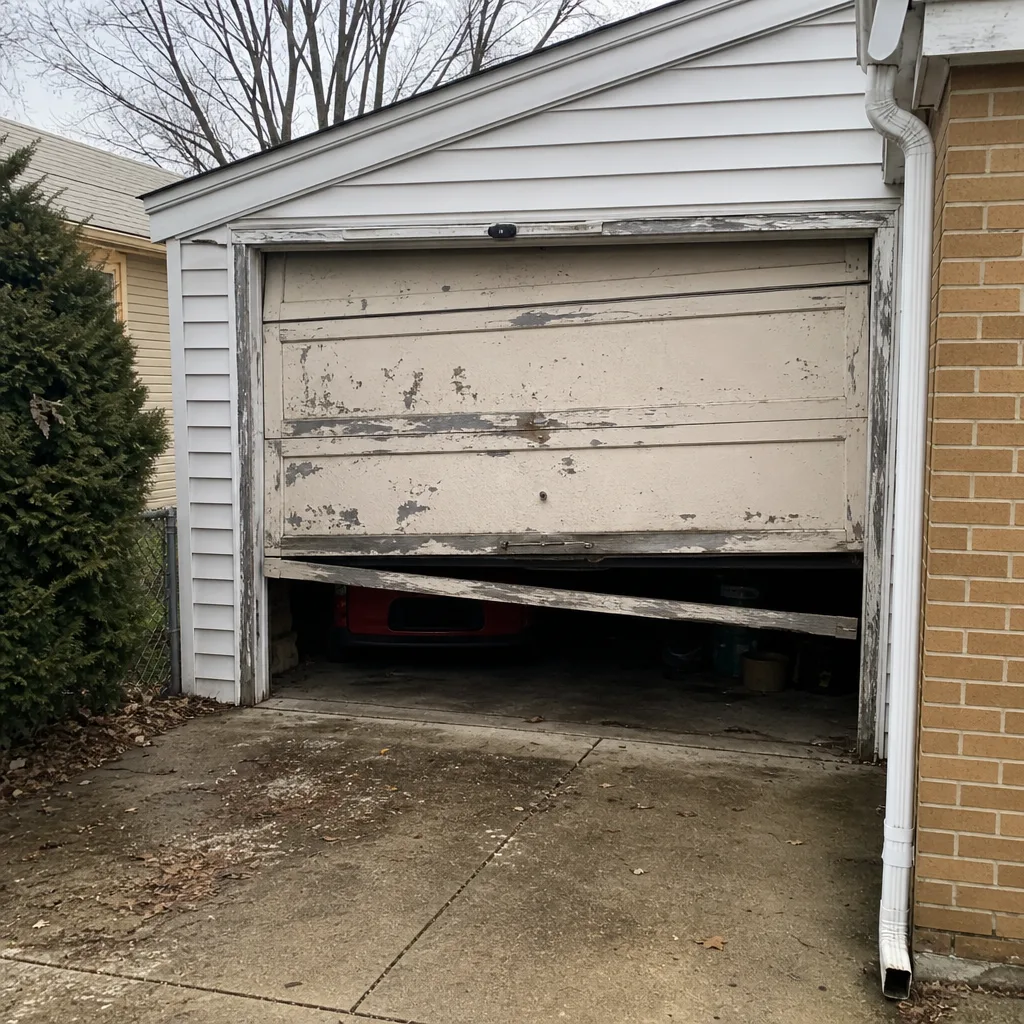
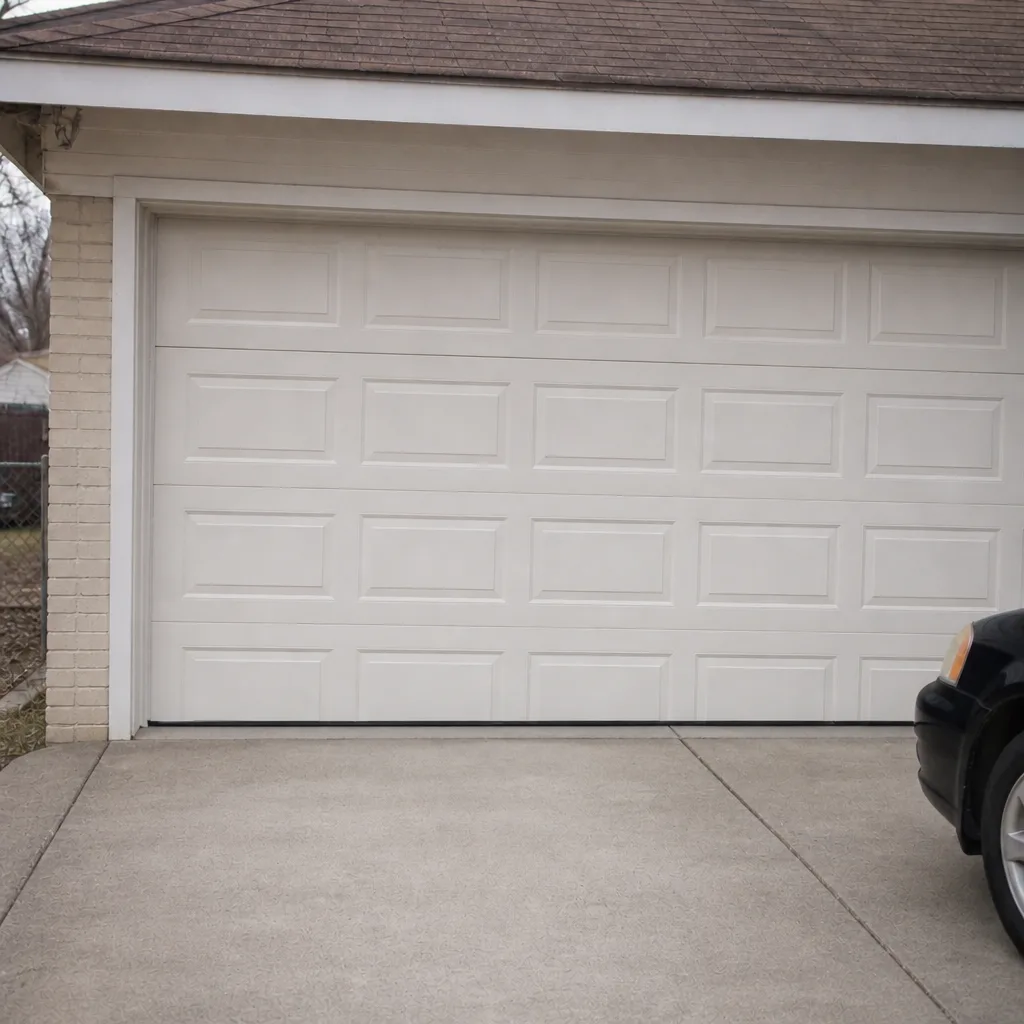
See the difference
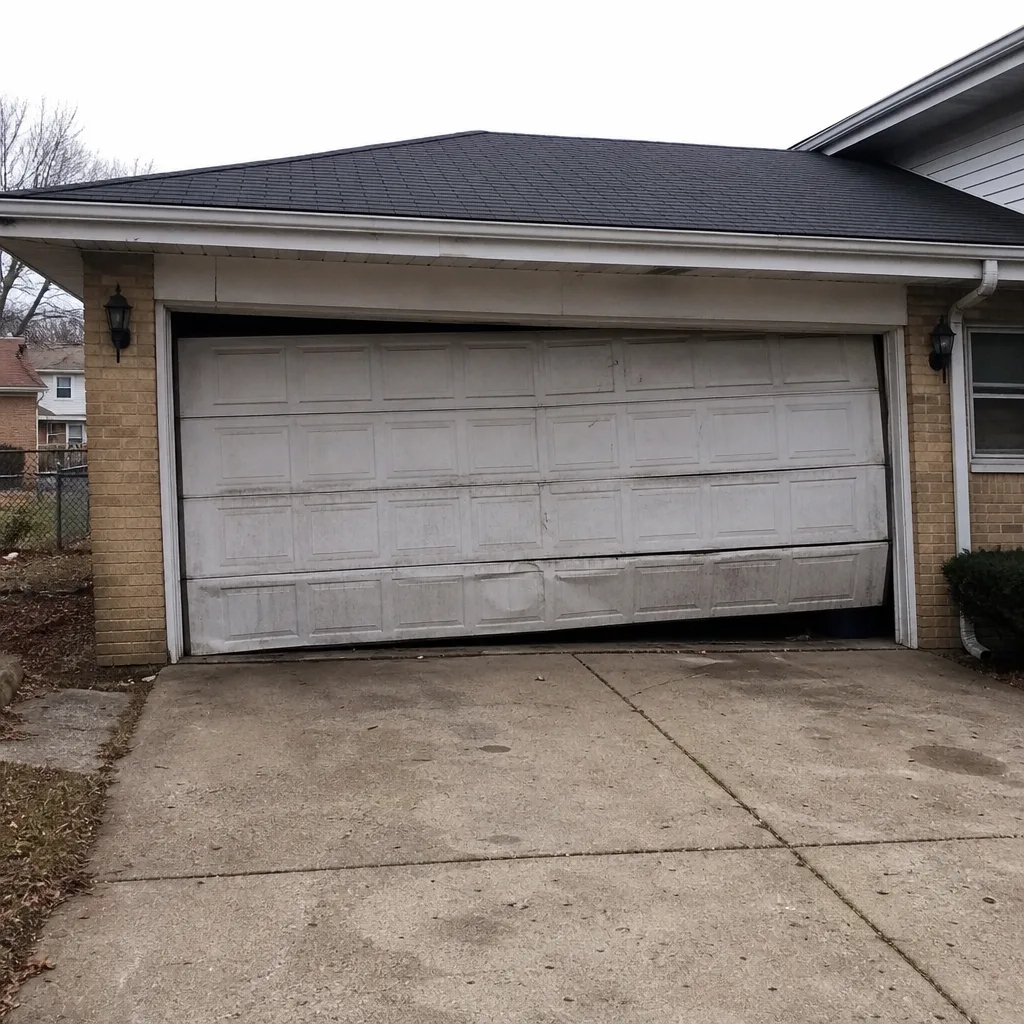 Before
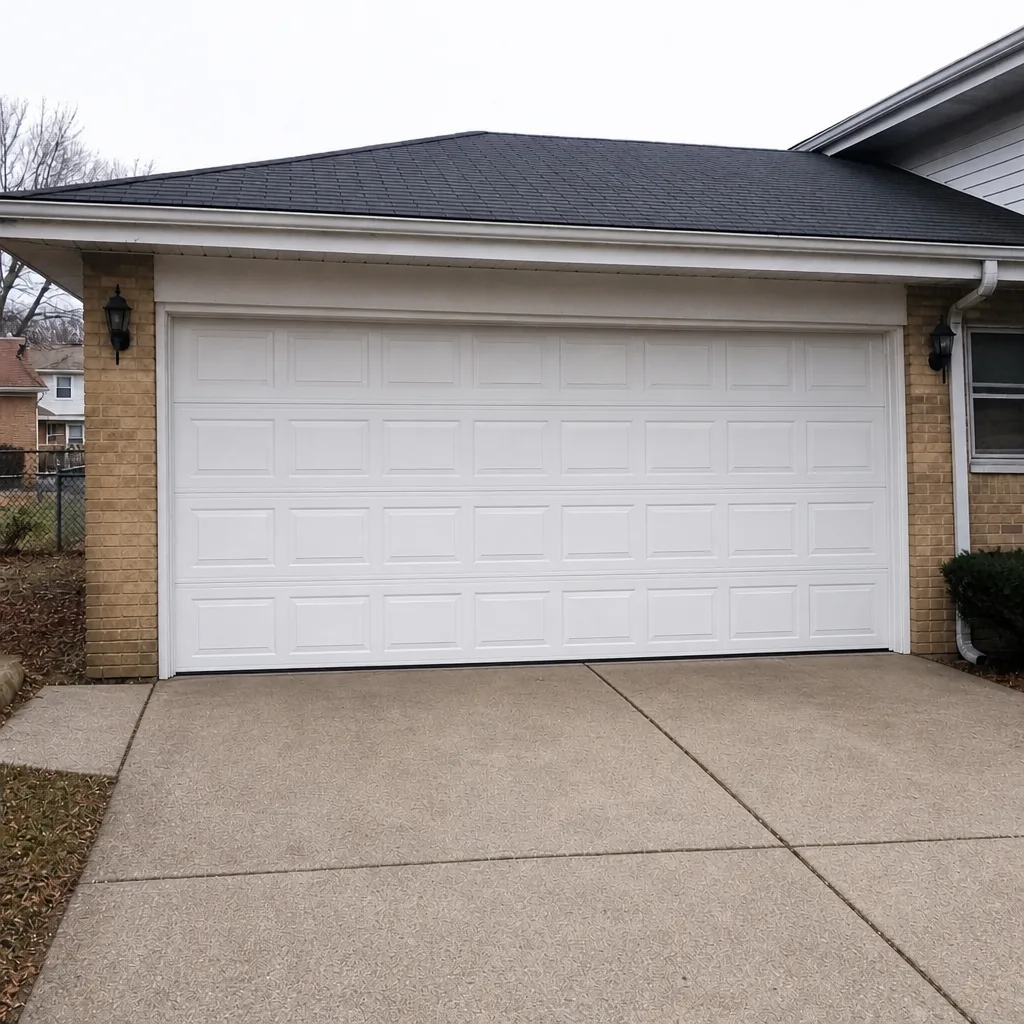 After
 Before
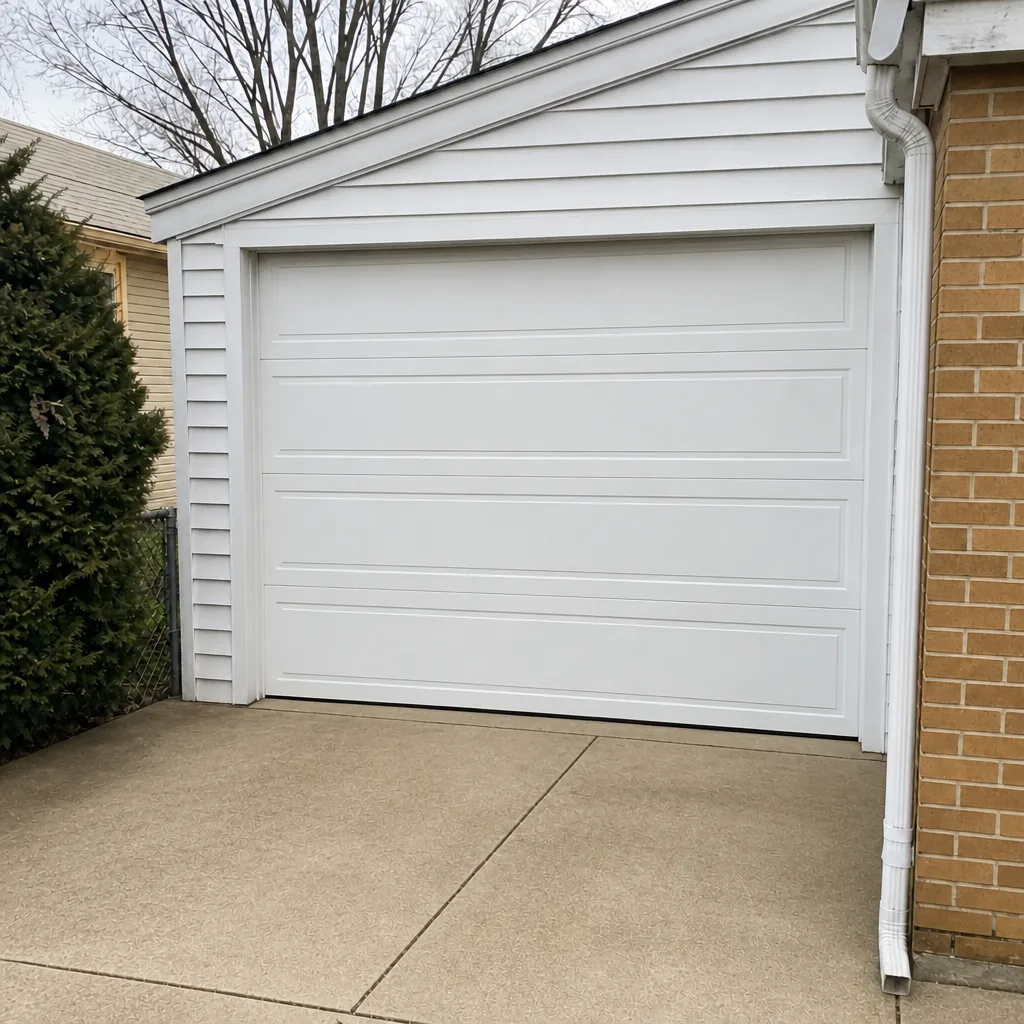 After
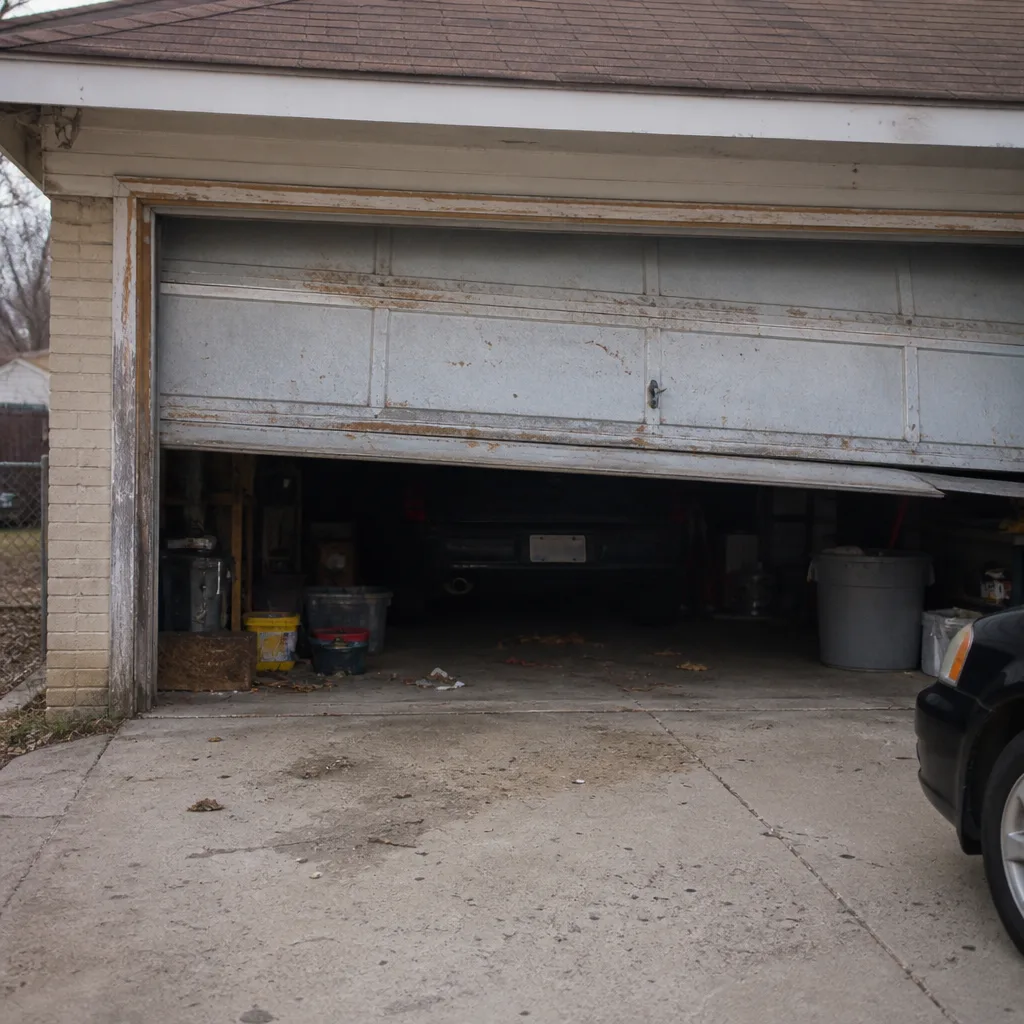 Before
 After
When to Call a Professional
Most seasonal care is a homeowner’s job, and we encourage it. Some of it isn’t, and the line between the two is clear. Call a professional when the problem involves the springs, cables, or bottom brackets. A torsion spring under tension can cause serious injury, and this isn’t a part to work on yourself. Call if the door is out of balance, if you see a hairline crack in the spring, if a cable is frayed or has slipped, if the opener won’t reverse on its own after a heat spike, or if the door is warped enough to bind in its tracks. Those are jobs for a technician trained specifically on spring systems, not a generalist guessing at the brand. Our technicians have up to 11 years of experience, and we work on the brand you already have, from LiftMaster to Raynor. Garage Door Repair Garfield Ridge offers free estimates in Garfield Ridge – call (877) 492-2475. We answer 24/7. Fast dispatch from 7am to 7pm, Sunday through Friday.
Frequently Asked Questions
Yes. Chicago-area summers stress torsion springs more than winters do. Metal contracts in cold, but the fractures happen when heat causes rapid expansion on a spring that spent months compressed, so a spring that survived January often fails in July. Watch for a door that suddenly sounds different or lifts unevenly in hot weather.
Yes, in most cases. A bottom seal replacement is one of the safer seasonal tasks, and the goal is to have it done before the ground freezes so the door doesn’t bond to the concrete overnight. Check the sides and top too, since gaps there let in cold that freezes the bottom seal. If you’re unsure, a free estimate will confirm what’s needed.
Use a heavier, cold-rated garage door lubricant in fall before winter, so it stays soft as temperatures drop. In summer, switch to a lighter lubricant that won’t collect dust in the looser joints. WD-40 isn’t a lubricant for this purpose in any season.
Usually not. That’s the classic summer sensitivity issue, where the door expands and the opener reads the resistance as an obstruction. A force and travel recalibration often fixes it. Don’t automatically raise the force without checking for a mechanical cause like a binding track.
No surprise pricing. The written estimate sets the price before any work starts, and we don’t add to it after the fact. Call (877) 492-2475 for an exact quote – estimates are free.
The local pro who performs the work is licensed and insured as their state requires, and you’ll get a written estimate before anything begins. If a spring or cable is involved, ask for the estimate in writing and confirm the pair versus single spring option. Call (877) 492-2475 – estimates are free.
The Bottom Line
Garfield Ridge’s climate treats your garage door to a full range across the year, and each season brings its own failure mode. Winter wants a supple bottom seal and a frost-free threshold. Spring wants a careful inspection of cables, brackets, and the hairline cracks that will become summer fractures. Summer wants your opener’s force settings checked against a fall baseline, because heat warps wood overlays and stresses tired springs. Fall wants the right lubricant, applied before the freeze. Run that cycle and you’ll catch most failures before they cost you a morning. Skip it and the door will tell you, at the worst possible time. When the seasonal check turns up something in the springs, cables, or opener, that’s a job for a specialist. We handle garage door installation and everything short of it, from broken spring to full installation. For a straight diagnosis and a lasting fix, Garage Door Repair Garfield Ridge is one call away.
Call (877) 492-2475 for a free estimate. We answer 24/7. Fast dispatch from 7am to 7pm, Sunday through Friday. The price is quoted and agreed before any work starts, so you know where you stand from the first visit.
Written by the team at Garage Door Repair Garfield Ridge.